Eco Energies

What Are the Top Home Energy Management Systems in 2026?

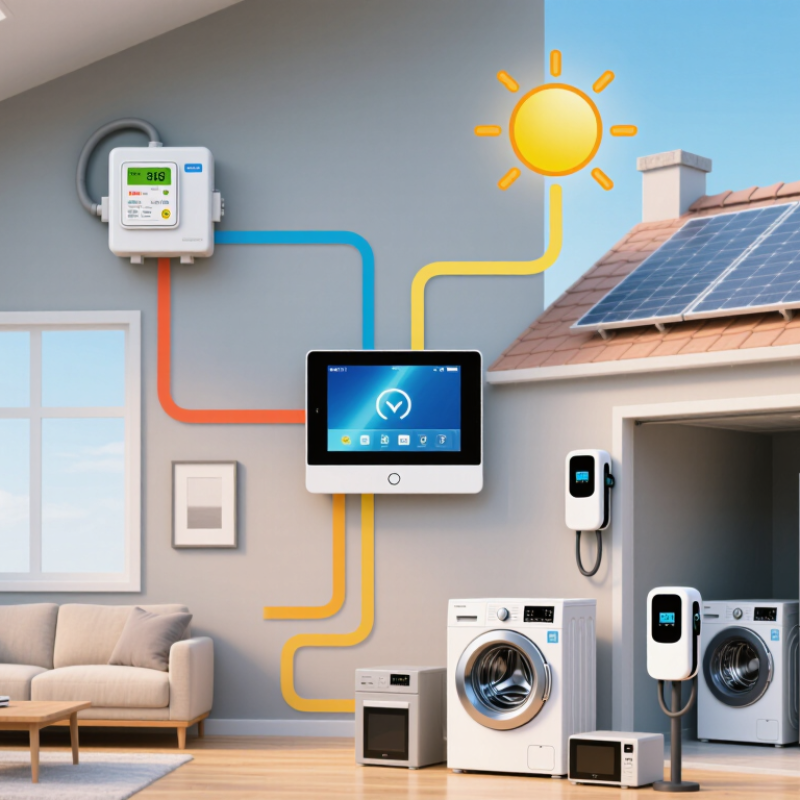
In 2026, home energy management systems are becoming practical control hubs for everyday household energy. They can connect smart meters, rooftop solar, batteries, heat pumps, electric vehicle chargers, and controllable appliances. The value is not just seeing a colorful chart on a phone. A useful home energy management system helps people understand when energy is used, coordinate compatible devices, and respond to changing electricity rates. As energy-efficiency expert Amory Lovins is often quoted: “The cheapest energy is the energy you don’t use.” That idea still matters when comparing systems, even as homes add more ways to generate and store power.

This guide examines leading options through practical questions: Which devices work together? Can the system shift flexible loads without disrupting daily routines? Are installation costs, data practices, and ongoing fees clearly explained? A washing machine scheduled for a sunny afternoon offers a simple example; battery controls and utility-rate automation can require more careful setup. Features vary by home, provider, and region, so no single product is best for everyone. No system is magic. A polished dashboard may still leave owners unsure what action to take, and compatibility claims deserve a close look. The comparisons ahead focus on usability, integrations, monitoring, automation, and value—not just feature counts. Readers should verify current specifications and local availability before buying. That extra check can prevent an expensive mismatch.
What Are the Top Home Energy Management Systems in 2026?

What Home Energy Management Systems Are and How They Work

A home energy management system (HEMS) gathers information about electricity use and helps households decide when and how to use power. Depending on the setup, it may read a smart meter, thermostat, appliance sensors, or solar and battery equipment. The system displays patterns on a screen or app, such as a dryer using power while several other devices are running. Some systems can also adjust compatible equipment automatically, based on household settings and available data.

The process is a loop: measure use, compare it with a goal, then recommend or make an adjustment.

For example, a household might schedule a dishwasher to run when rooftop solar is producing more electricity. A HEMS may also help limit peak demand, but results depend on local rates, equipment compatibility, and people’s routines.

Useful detail matters. A meter reading may show whole-home use without identifying which appliance caused a spike. And automation can feel intrusive if settings are unclear.

I would review the system’s readings against an actual bill before trusting every estimate; data can be delayed or imperfect. Some days, the simplest control is a person noticing the heater was left on.

Core Features That Shape a Home Energy Management System

A capable home energy management system does more than display a colorful graph. It brings readings from the meter, solar inverter, battery, and major appliances into one view. Timely data can reveal a water heater running during peak hours or a battery charging while rooftop panels produce power. Useful controls matter too. Schedules, comfort limits, and clear override buttons help households balance energy use with daily routines. The system should explain why it shifted a load, not merely report that it did. Small detail. Less confusion.

Compatibility deserves close attention. Before choosing a system, check which devices it can monitor and control, and whether it supports the home’s utility rates. A low-cost plan with time-based pricing may need different schedules than a fixed-rate plan. Good systems also offer understandable privacy settings and secure access controls. Backup behavior should be clear: residents need to know which circuits remain powered during an outage and for how long. No dashboard fits every household. Even accurate recommendations can feel inconvenient if they ignore cooking, work, or sleep routines. A little skepticism helps; compare the suggested savings with actual bills over time.

What Are the Top Home Energy Management Systems in 2026? — Core Features That Shape a Home Energy Management System

Core Feature What It Does Typical Data or Controls Homeowner Benefit Practical Considerations
Whole-home energy monitoring Tracks electricity flowing into the home and, where supported, electricity generated on site. Energy use in kilowatt-hours (kWh); power demand in kilowatts (kW); time-stamped readings. Helps identify usage patterns, unusually high consumption, and changes after equipment or schedule adjustments. Readings may be delayed or reported at different intervals depending on the meter, monitoring hardware, and utility data access.
Circuit- or appliance-level monitoring Estimates or measures electricity use by selected circuits or connected devices. Per-circuit power readings, device status, and historical consumption. Makes it easier to see which large loads contribute most to household demand. Coverage depends on the sensors installed; some systems monitor selected circuits rather than every individual appliance.
Tariff and time-of-use awareness Uses electricity price information to help schedule flexible consumption. Published utility rates, peak and off-peak periods, and—where available—current or forecast prices. Can help shift suitable loads to lower-priced periods when the household’s tariff rewards doing so. Rates and time windows vary by utility and plan. A lower-cost schedule must also fit household needs and equipment limits.
Solar generation integration Combines solar production data with household demand data. Solar output, home consumption, and grid import or export measurements where available. Shows when generation is available and helps coordinate flexible loads with solar production. Production visibility and export information depend on inverter compatibility, meter configuration, and data access.
Home battery coordination Coordinates battery charging and discharging with household demand, solar production, or applicable rate periods. Battery state of charge, charge and discharge power, operating limits, and energy flows. Can support energy shifting and backup operation when the battery and system are configured for those functions. Available energy, power, backup behavior, and permitted operating modes depend on the battery, installation, and local requirements.
Electric vehicle charging control Schedules or adjusts charging for a connected electric vehicle or compatible charger. Charging status, charging power, schedule, and—if supported—departure time or requested charge level. Allows charging to be planned around household demand, solar availability, or applicable electricity rates. Vehicle, charger, and management-system compatibility determine which controls and data are available.
Flexible appliance and water-heating controls Schedules compatible loads, such as a water heater or selected appliances, within defined operating limits. Run schedules, device status, demand signals, and user-set preferences. Helps move some electricity use away from periods of higher demand or cost without requiring constant manual control. Only controllable, compatible equipment can be automated; safety settings and user overrides should remain available.
Heating and cooling coordination Uses thermostat settings and schedules to manage heating or cooling demand. Temperature setpoints, schedules, equipment status, and optional demand-response signals. Can coordinate comfort preferences with energy-use schedules and other household loads. Comfort, equipment type, climate, and building characteristics affect what changes are practical.
Automation and user controls Combines monitoring and device controls into rules, schedules, alerts, or recommended actions. User preferences, time schedules, energy readings, and device availability. Reduces the need to manage each connected device separately and makes system behavior easier to review. Useful systems provide clear settings, understandable alerts, and a way to pause or override automated actions.
Connectivity, interoperability, and security Connects meters, inverters, batteries, chargers, thermostats, and other supported devices while protecting account access and data. Supported communication interfaces, permissions, software updates, and account-security settings. Broad compatibility can make it easier to coordinate equipment from different categories. Check device compatibility, data-sharing permissions, update support, and available security controls before installation.

Comparison note: Feature availability varies by equipment, utility, tariff, installation, and region. A home energy management system may monitor energy without controlling devices, so confirm both monitoring and control capabilities for the specific setup.

How to Compare Home Energy Management Systems in 2026

When comparing home energy management systems in 2026, start with what they can measure and control. Can the system show whole-home use and identify major loads, such as heating, water heating, or an electric vehicle charger? Check whether it works with your existing meter, solar equipment, battery, and thermostat. Compatibility is practical, not glamorous. It can determine whether installation takes an afternoon or requires an electrician.

Use independent evidence, not savings claims alone. The U.S. Energy Information Administration’s 2020 Residential Energy Consumption Survey found that space heating accounted for about 42% of U.S. household energy use. ENERGY STAR reports that certified smart thermostats save an average of 8% on heating and cooling bills. Those figures are useful context, not a promise for every home. Compare systems using your own bills, local utility rates, and a clear before-and-after period. Ask whether controls respond to time-of-use prices, and whether the app explains each adjustment. Privacy deserves a close look, too: review what data is collected and how long it is retained. A polished dashboard can still be confusing. I would test alerts and manual controls before relying on automation, especially during a cold week.

How to Compare Home Energy Management Systems in 2026

A useful starting point is understanding which household loads use the most electricity. Compare systems by whether they can monitor and manage the loads that matter most in your home.

Illustrative U.S. household electricity-use shares by end use, based on the U.S. Energy Information Administration’s 2015 Residential Energy Consumption Survey. These figures are a national benchmark, not a product ranking or a forecast of savings. A home’s actual energy use varies.

Leading Home Energy Management Systems in 2026

Leading home energy management systems in 2026 combine circuit-level monitoring, smart thermostats, and controls for batteries or rooftop solar. The strongest setups show which devices use power and when, then shift flexible tasks away from costly peak hours. A phone alert at 6 p.m. is useful; an automatic water-heater schedule can be more useful. The International Energy Agency’s 2023 Buildings report says buildings account for about 30% of global final energy consumption. That makes practical, measurable control more important than a polished dashboard.

Look for systems that work across different devices, explain energy use in plain language, and keep operating when internet access drops. ENERGY STAR reports that certified smart thermostats can save households an average of about 8% on heating and cooling costs. Results vary with climate, insulation, and household habits. Still, gaps remain. Many systems estimate savings against a modeled baseline, not a controlled test in your home. Before choosing, check whether the system can monitor major loads, support local controls, and show real-time prices where available. A clear hourly graph is helpful. But accurate readings and dependable automation matter more.

Choosing a System for Your Home and Energy Goals

Choosing a home energy management system starts with your actual goal: lower bills, smoother solar use, or fewer evening demand spikes. The U.S. Energy Information Administration’s 2020 Residential Energy Consumption Survey found that space heating used 42% of household energy, while water heating used 18%. Those figures make heating schedules and water-heater controls sensible places to look first.

For homes with compatible heating and cooling, a system that adjusts schedules and tracks room temperatures may offer practical savings. ENERGY STAR reports that certified smart thermostats save an average of about 8% on heating and cooling bills. Treat that as a benchmark, not a guarantee. Weather, insulation, household routines, and installation all affect results. Small details matter. Check whether the system works with your wiring, existing equipment, and internet connection before buying.

If you have solar panels, a battery, or an electric vehicle, look for clear usage data and controls that can shift flexible loads. A useful dashboard should show when power is being used, not just display a monthly total. Ask whether the system can coordinate compatible devices and whether its data settings suit your privacy preferences. The awkward part: more automation does not always mean better control. You may still need to adjust schedules after a cold week or a change in routine. A simple system you understand can be more useful than a feature-rich one you rarely check.