Top 10 Solar Electricity Solutions in China for Global Buyers?
As the world shifts towards sustainable energy, solar electricity is gaining prominence, especially in China. With the demand for renewable energy solutions rising, China has established itself as a global leader in solar technology. According to the International Energy Agency (IEA), China's solar energy capacity reached over 250 GW in 2022, accounting for nearly 40% of the global total. This impressive growth not only reflects China's manufacturing capabilities but also its commitment to reducing carbon emissions.
Various solar electricity solutions are emerging in the market, catering to global buyers seeking efficiency and innovation. These include advanced photovoltaic technologies, energy storage systems, and intelligent solar integration with smart grids. Reports from the International Renewable Energy Agency (IRENA) highlight that investments in solar energy technologies could surpass $2 trillion globally by 2030, suggesting a robust market presence for innovative companies.
Yet, while China offers numerous solar electricity options, not all solutions guarantee quality or reliability. Buyers must critically evaluate suppliers and technologies. Understanding local regulations and environmental impacts is essential for making informed decisions. With the right approach, investors can harness solar electricity's potential and contribute to a more sustainable future.
Top Trends in Solar Electricity Solutions in China's Energy Market
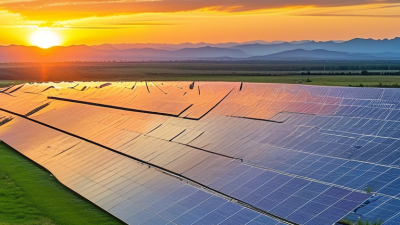
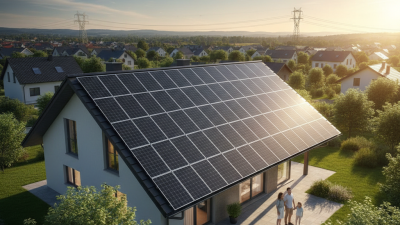
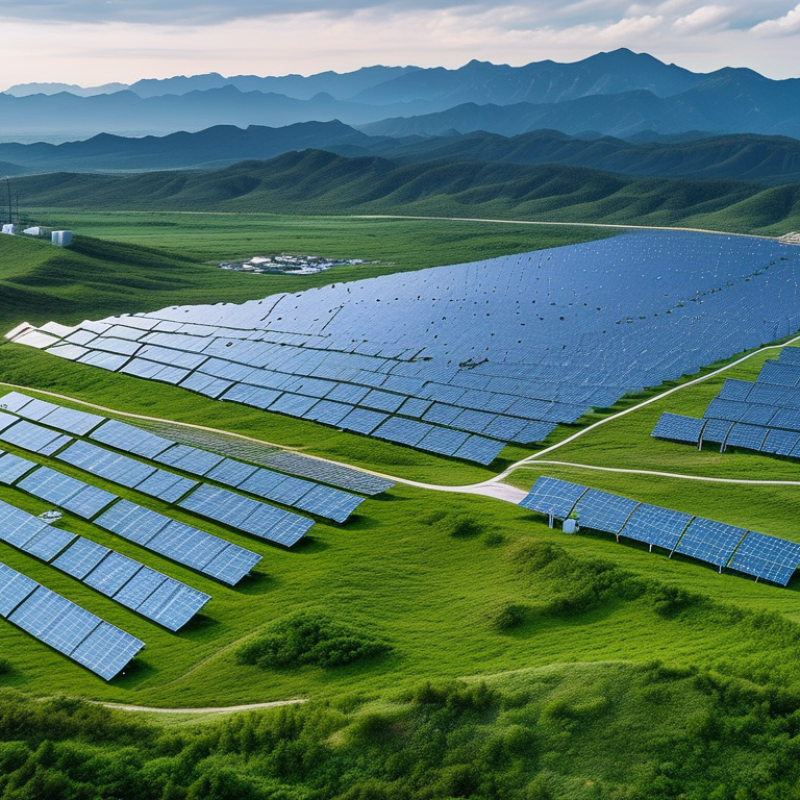
China is leading the charge in solar electricity solutions, tapping into abundant natural resources. The country's diverse geographical landscape enables various solar technologies to thrive. From large-scale solar farms to rooftop installations, every option offers a unique approach to harnessing sunlight. Recent trends show a shift toward integrating energy storage systems. These systems can store excess energy generated during sunny days for use at night or cloudy periods.
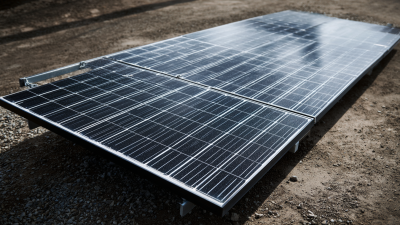
Innovation is crucial in this evolving market. Emerging technologies, such as bifacial solar panels and advanced inverters, are gaining traction. These technologies improve energy efficiency and offer long-term cost savings. However, challenges remain, such as fluctuating government policies and the need for skilled technicians. Investment in training and development is essential for sustaining growth.
The rise of solar electricity solutions is not without its hurdles. Some regions still face issues concerning grid compatibility and distribution. Moreover, the environmental impact of manufacturing and disposing of solar panels raises questions. As China continues to expand its solar energy capabilities, a balanced approach is needed to address these concerns while promoting sustainable growth.
Market Share Analysis of Leading Solar Panel Manufacturers in China
China has become a global leader in solar energy, capturing a significant market share. Recent reports indicate that Chinese manufacturers account for over 60% of the world’s solar panel production. This domination is due to their advanced technology and cost-effective solutions. However, the industry's rapid growth also reveals some challenges. Many manufacturers struggle with quality consistency, which can affect overall reliability.
In 2023, the global solar panel market reached approximately $200 billion. Understanding market dynamics is crucial for buyers. Among the leading manufacturers, a few companies command a large share, often cited in industry analyses. Yet, smaller companies are also emerging, offering innovative products with competitive pricing. Buyers should evaluate both established and new players.
Investment in research is essential. Many manufacturers are pivoting towards more sustainable practices but face hurdles. Environmental concerns and supply chain complexities persist. An in-depth market analysis helps buyers navigate these complexities. Choosing the right supplier is vital for long-term success. Ultimately, staying informed on market trends will empower global buyers in their solar purchasing decisions.
Innovative Technologies Driving Solar Energy Efficiency in China
China is a leader in solar energy innovation, showcasing impressive technologies that enhance efficiency.
With rapidly advancing photovoltaic systems and smart grid technology, solar energy solutions are becoming
more accessible for global buyers. These innovations are not just theoretical; they produce real-world
results, decreasing reliance on fossil fuels.
As more consumers look for sustainable energy, Chinese manufacturers are focused on reducing production costs.
This is where innovations come into play. Advanced materials like bifacial solar panels capture more sunlight,
even from reflected rays. Additionally, tracking systems that adjust panel angles optimize sun capture
throughout the day.
Tips: When choosing a solar solution, consider local climate conditions. Some systems perform better in
specific environments. Always check efficiency ratings to avoid suboptimal products. While many options
promise high performance, not all meet expectations. Researching rigorously can prevent costly mistakes.
Cost-Benefit Analysis: Investing in Chinese Solar Solutions for Global Buyers
Investing in solar electricity solutions from China presents a unique opportunity for global buyers. China stands as a leading player in solar technology, continuously innovating and adapting to global demands. The cost of solar panels is significantly lower compared to Western markets, making it an attractive option for buyers. However, understanding production quality and supply chain reliability remains crucial.
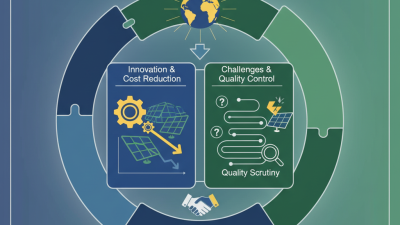
Cost-benefit analysis of Chinese solar solutions reveals both strengths and weaknesses. While initial costs are lower, potential hidden expenses exist in logistics and installation. Some buyers have faced delays and inconsistent product quality, raising concerns. It’s important to conduct thorough research and identify reputable manufacturers.
In addition, buyers should consider long-term maintenance and efficiency outcomes. While many products boast high efficiency, real-world performance can vary. Engaging with local experts can provide valuable insights into performance expectations and service reliability. Investing wisely in these solutions requires balancing cost with quality and support, ensuring a sustainable energy future.
Regulatory Policies Impacting Solar Energy Adoption in China
China’s regulatory landscape plays a crucial role in solar energy adoption. Recent reports indicate that the country leads the world with a staggering 28% of global solar capacity. This dominance is not just due to technological advancements but also supportive government policies. Incentives like feed-in tariffs and tax reductions have driven initial investments in solar projects. However, the rapid policy shifts can create uncertainty for global buyers.
Challenges still exist. Some local governments have different interpretations of national policies, leading to confusion among investors. A report from the International Renewable Energy Agency (IRENA) noted that inconsistent regulations might hinder projects. Furthermore, the transition to green energy is uneven across provinces. While regions like Guangdong excel, others lag behind. This inconsistency raises questions about the overall reliability of the solar market.
The government’s ambitious solar goals, targeting 1,200 GW of installed capacity by 2030, indicate a strong commitment. Yet, achieving these targets requires clarity in regulations. For global buyers, understanding these dynamics is essential for making informed investment decisions. Continuous engagement with local partners is crucial for navigating this complex landscape.