Top 10 Eco Energy Solutions Global Buyers Should Know?
Global energy buyers are moving beyond broad sustainability claims. They now need measurable carbon reductions, dependable supply, and commercially workable payback periods. The International Energy Agency’s Renewables 2024 report expects global renewable power capacity to expand by nearly 5,500 gigawatts between 2024 and 2030. Solar photovoltaic systems will provide most of that growth. The scale is impressive.
Yet capacity alone does not guarantee a reliable procurement decision. IRENA’s Renewable Capacity Statistics 2025 recorded 585 gigawatts of renewable additions in 2024, representing more than 90% of total new power capacity worldwide. Buyers still face grid congestion, variable generation, storage costs, and uncertain local permitting. These practical details can matter more than a supplier’s polished brochure. This is where eco energy strategies require careful verification.
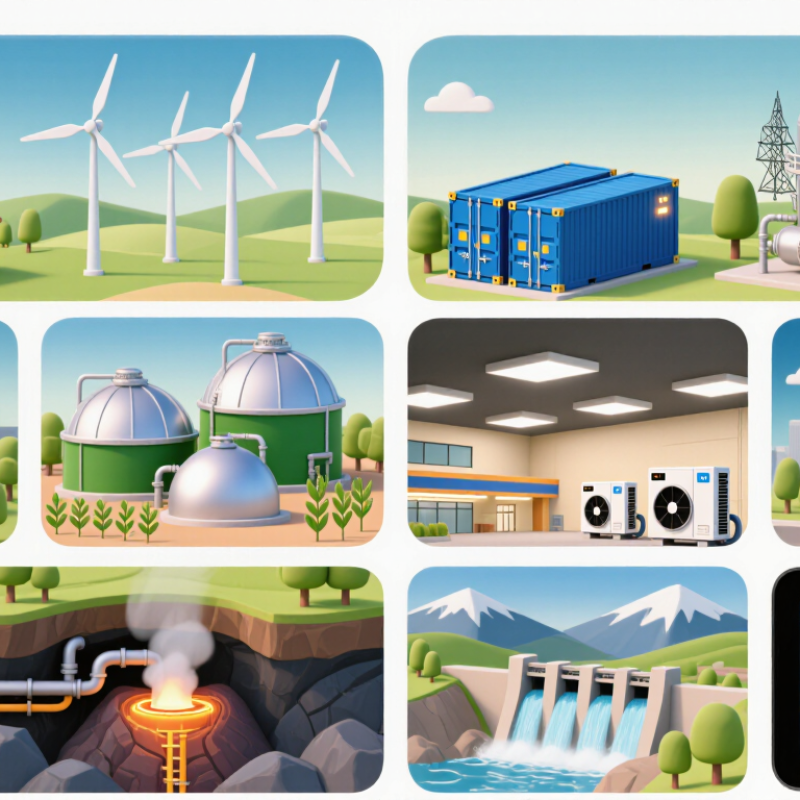
This guide examines ten eco energy solutions that global buyers should understand, including solar, wind, battery storage, green hydrogen, biogas, geothermal power, and energy-efficiency systems. Each option has a different operating profile. Rooftop solar may reduce daytime factory demand, while batteries can manage short evening peaks. Geothermal projects may offer stable output, but suitable sites are limited. The IEA also reports that energy efficiency remains essential for reducing demand growth and improving resilience.
The ranking is not perfect. Technology costs, grid rules, and carbon accounting methods change by market. Buyers should compare lifecycle emissions, warranties, certifications, supplier experience, and total ownership costs. A low purchase price can become expensive after maintenance, replacement, or weak performance. The strongest decisions combine verified data with site-level experience. That balance makes eco energy more practical, credible, and scalable.
What Makes an Energy Solution Eco-Friendly and Globally Relevant
Global buyers need more than a low-carbon label. An eco-friendly energy solution reduces impacts across its full life cycle. It limits emissions, water use, waste, land pressure, and hazardous materials. No option is impact-free.
The ten key categories include solar, wind, hydro, geothermal, sustainable bioenergy, battery storage, energy efficiency, heat pumps, smart grids, and renewable hydrogen. These solutions become globally relevant when they fit local climates, grids, regulations, and maintenance skills. The International Renewable Energy Agency reported 473 gigawatts of renewable capacity additions in 2023, representing 86% of total new power capacity. That growth signals demand, but it does not prove every project is sustainable. Supply chains still need closer scrutiny.
The IPCC’s Sixth Assessment Report places median life-cycle emissions near 11 grams of carbon dioxide equivalent per kilowatt-hour for wind and 41 grams for solar. Results vary with manufacturing, transport, and site conditions. Buyers should request verified life-cycle assessments, recycling plans, repair access, and transparent labor standards. The 2024 Tracking SDG 7 report estimated that 685 million people lacked electricity access in 2022. Affordable, modular systems can therefore matter as much as technical efficiency. A sophisticated solution may fail if spare parts arrive slowly or local technicians cannot service it. That is an uncomfortable lesson. Global relevance requires practical performance, not impressive specifications alone.
How to Compare Efficiency, Costs, and Environmental Benefits
Global buyers comparing eco-energy solutions should examine efficiency, total cost, and environmental impact together.
Solar power, heat pumps, wind systems, battery storage, insulation, geothermal energy, efficient motors, smart controls, biogas, and thermal storage perform differently. A high efficiency rating does not automatically mean the best purchase. Climate, operating hours, maintenance skills, and available space can change the result.
Use real operating data, not only laboratory figures. Ask for seasonal performance, expected service life, repair requirements, and component warranties. Calculate the full cost, including installation, grid upgrades, training, replacement parts, and disposal. A cheaper system may consume more energy during cold months. A costly system may repay its premium through lower operating expenses. Payback periods should include realistic energy prices, not optimistic forecasts.
Environmental benefits also need careful measurement. Review manufacturing emissions, transport distance, water use, recyclability, and local pollution. A heat pump can reduce emissions where electricity is relatively clean, but its advantage may shrink on a carbon-intensive grid. Batteries improve energy flexibility, yet their materials and end-of-life treatment deserve attention. A spreadsheet can still mislead. Buyers should test at least three scenarios: conservative, expected, and difficult. Small assumptions matter. A supplier that explains weaknesses clearly may be more reliable than one promising perfect results.
Key Standards, Policies, and Supplier Factors for Global Buyers
Top 10 Eco Energy Solutions Global Buyers Should Know?
Global buyers now assess more than solar panels, wind turbines, and battery storage. They also compare heat pumps, biogas systems, green hydrogen equipment, smart meters, microgrids, and energy-efficient building controls. Each solution needs evidence of performance, safety, and environmental impact. A low purchase price can become expensive when maintenance, transport, or disposal costs are ignored.
Standards create a useful starting point. ISO 14001 supports environmental management, while ISO 50001 helps measure energy performance. Electrical equipment should meet relevant IEC requirements and local grid codes. Buyers should also check product testing, factory audits, warranty terms, and documented carbon data. These documents must match the actual production site. Paperwork alone proves little.
Policy conditions can change project costs quickly. Import duties, renewable-energy incentives, carbon reporting rules, and local-content requirements differ by market. Suppliers should explain how they handle recycled materials, worker safety, data protection, and end-of-life recovery. Traceable components matter, especially for batteries and power electronics. A common blind spot is assuming certificates guarantee ethical production. They do not. Buyers should request recent audit findings, corrective actions, delivery records, and references from comparable projects. No checklist is perfect. Even experienced teams may overlook supplier dependency, spare-part delays, or weak recycling networks. Conservative forecasts are often more reliable than impressive promises.
Steps for Selecting, Purchasing, and Implementing the Right Solution
Top 10 Eco Energy Solutions Global Buyers Should Know
Selecting an eco energy solution starts with the site, not the sales pitch. Review sunlight, wind patterns, roof strength, soil conditions, grid access, and local water availability. Common options include solar power, wind turbines, hydropower, geothermal systems, biomass, biogas, heat pumps, battery storage, green hydrogen, and energy efficiency upgrades. Each solution has different output, maintenance, land, and permitting needs. A rural factory may benefit from solar and batteries, while a cold facility may need geothermal or heat pump technology.
Request measured performance data from comparable projects. Ask how output changes during cloudy days, winter months, or equipment downtime. Check safety certifications, environmental assessments, spare-part availability, and installer qualifications. Review the full cost, including transport, installation, software, maintenance, replacement parts, and end-of-life recycling. The cheapest quotation may become expensive after one failed component. Read warranty exclusions carefully. Small details matter.
Implementation should use a staged plan. Begin with an energy audit and a limited pilot system. Set clear targets for efficiency, emissions, uptime, and payback. Install monitoring equipment before commissioning, then compare actual results with the supplier’s forecast. Training local technicians can reduce delays and improve long-term reliability. Do not ignore battery disposal, water use, noise, or community concerns. I have found that projected savings often look too optimistic. Recheck assumptions with seasonal data and independent specialists. Some projects need redesign after real operating conditions appear.
Top 10 Eco-Energy Solutions Global Buyers Should Know
Lifecycle greenhouse-gas emissions comparison for electricity-generation options
Lower values generally indicate lower lifecycle emissions. Buyers should compare this environmental indicator with resource availability, project cost, grid compatibility, permitting requirements, storage needs, supplier capability, and long-term operations and maintenance plans before purchasing and implementing a solution.
Data source: IPCC AR5 lifecycle greenhouse-gas emissions medians, measured in grams of CO₂-equivalent per kilowatt-hour.