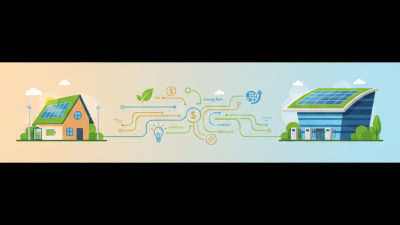
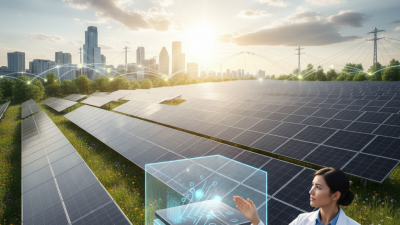
Energy solutions are practical methods for producing, storing, managing, and saving energy. They connect technology with everyday needs. A rooftop solar system can convert sunlight into electricity for a home. A battery can store extra power for evening use. A smart thermostat can reduce heating demand without sacrificing comfort.
These tools matter because energy affects household budgets, business operations, and environmental performance. However, the term energy solutions can sound broader than it really is. Not every product solves every energy problem. A useful solution must match local weather, building design, electricity prices, and user behavior. Good decisions require evidence.
Engineers often assess energy use through site inspections, utility bills, equipment ratings, and measured performance. They may compare installation costs with expected savings over several years. Recognized technical standards and reliable utility data can improve these evaluations. Yet even careful forecasts can miss changing prices, unusual weather, or maintenance needs. Real projects are less tidy.
A winter blackout reveals this quickly. A system may generate clean electricity but still need storage or grid support. This guide explains how different energy systems operate and where they fit. It will examine solar power, wind energy, batteries, efficiency upgrades, and intelligent controls. Readers will also see common limitations, practical trade-offs, and questions worth asking before investment. Some claims deserve skepticism. Clear limits matter. The goal is not to promote one technology, but to show how informed choices are built from measurable results, professional judgment, and honest reflection.
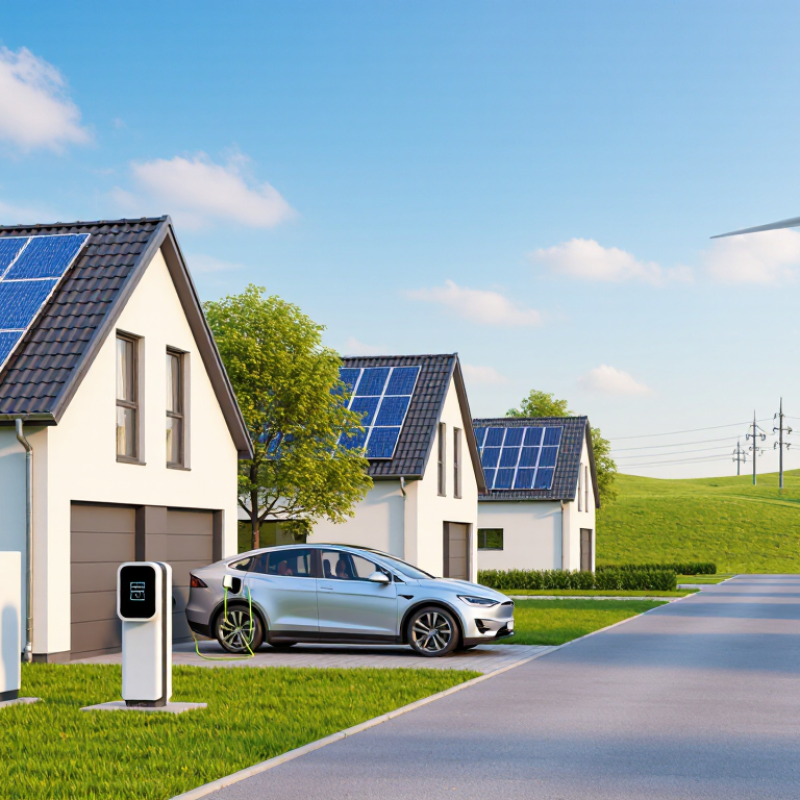
Energy solutions are practical methods for producing, storing, managing, and saving energy. They can include solar generation, battery storage, efficient heating, smart controls, and building improvements. Together, these tools help households and businesses use less energy without sacrificing comfort or safety.
The process usually begins with evidence. An energy professional may review meter readings, inspect insulation, and study heating patterns. A small office, for example, might waste electricity through lights left on overnight. Motion sensors, efficient lighting, and clearer operating schedules could reduce that waste. The result should be measured through updated bills and usage data, not assumptions.
Energy solutions matter because energy affects costs, public health, and environmental stability. Better insulation can keep a room warmer in winter and cooler in summer. Storage systems can also provide electricity when renewable generation changes during the day.
Reliability matters.
Still, no solution works equally well everywhere. A sunny region may benefit from solar equipment, while an older building may need insulation first. Upfront expenses can also discourage responsible improvements. I have noticed that energy discussions often praise technology while ignoring maintenance and user habits. That is an incomplete view. Good planning considers local weather, building design, available budgets, and long-term performance. Independent assessments and transparent data make decisions more trustworthy.
Energy solutions are practical systems that reduce energy waste, replace fossil fuels, or manage electricity more intelligently. The main types include energy efficiency, renewable generation, energy storage, electrification, and smart grids. Each works differently, but they often operate together.
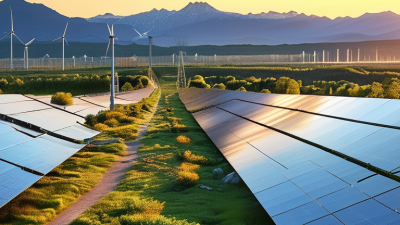
Energy efficiency cuts demand before new power is produced. Better insulation can keep a bedroom warmer, while efficient motors reduce factory electricity use. The International Energy Agency reported that global renewable capacity additions reached about 510 gigawatts in 2023, nearly half of all new power capacity. Solar panels convert sunlight into electricity, while wind turbines transform moving air into power. Hydropower uses flowing water, although drought can weaken its output.
Energy storage solves a timing problem. Batteries store surplus electricity at midday and release it after sunset. Thermal storage can hold heat for buildings or industrial processes. Smart grids use sensors, forecasts, and flexible demand to balance supply and consumption. Electrification applies this clean power to transport, heating, and industrial equipment. The IEA’s Batteries and Secure Energy Transitions report found that battery demand nearly doubled in 2023, driven largely by electric mobility and power systems. The weak point is timing. A sunny noon is not a winter evening. Storage remains costly in some markets, and transmission projects often move too slowly. These limits deserve more attention than optimistic capacity figures.
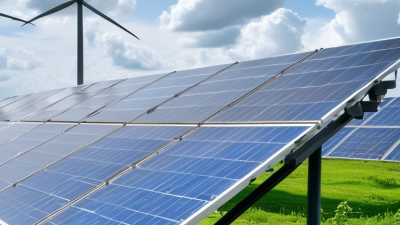
Energy solutions combine generation, storage, controls, and delivery equipment to provide usable electricity. Solar panels convert sunlight into direct current, while wind turbines use moving air to drive generators. Other systems may use flowing water, bioenergy, or carefully managed thermal energy. Engineers compare hourly demand, weather records, and site limits before choosing equipment. A sunny roof may produce plenty of power at noon, but much less after sunset.
Storage holds energy until people need it. Battery cells charge when production exceeds demand, then release electricity during shortages. Thermal storage can preserve heat or cooling for later use. During a cloudy afternoon, stored power can keep lights, pumps, and medical equipment running. Control software monitors voltage, temperature, and available charge every few seconds. At home, it can shift charging toward sunny hours and reduce evening demand. Still, storage capacity is finite, and batteries lose performance as they age.
Power reaches users through inverters, transformers, and local distribution lines. Inverters change battery or solar output into household-compatible electricity. Transformers adjust voltage for safer, more efficient transmission. Microgrids can separate from the wider network during an outage, but only if their controls respond correctly. Sensors reveal faults, while maintenance teams inspect cables, cooling systems, and connection points. Designs can still miss real-world conditions. A system sized for average demand may struggle during a prolonged heatwave. Field testing, accurate records, and regular review make energy delivery more dependable.
| Energy Solution | Primary Function | How It Works | Typical Performance | Typical Operating Duration or Availability | Best-Suited Applications | Key Limitations |
|---|---|---|---|---|---|---|
| Solar Photovoltaic (PV) | Generates electricity | Semiconductor cells convert sunlight directly into direct-current electricity. An inverter converts it into alternating-current electricity for buildings or the grid. | 15%–23% commercial module efficiency; inverter efficiency commonly above 95%. | Produces power during daylight; annual capacity factor is commonly about 10%–30%, depending on location and system design. | Rooftops, utility-scale generation, microgrids, and remote power systems. | Variable output, no generation at night, weather dependence, and land or roof-area requirements. |
| Wind Power | Generates electricity | Moving air turns turbine blades connected to a generator, which converts mechanical energy into electricity. | Modern projects commonly achieve an annual capacity factor of approximately 25%–50%, depending on wind conditions and turbine design. | Can generate day and night when wind conditions are suitable; output changes with wind speed. | Large-scale grid generation, coastal areas, plains, and offshore locations. | Variable production, transmission requirements, visual and acoustic impacts, and site-specific wind resources. |
| Hydropower | Generates and dispatches electricity | Water flowing through a turbine spins a generator. Reservoirs can store potential energy and release it when electricity is needed. | Turbine-generator efficiency commonly reaches approximately 85%–95%. | Reservoir systems can provide hours to months of storage; annual capacity factors often range from 30%–60%. | Reliable grid supply, peak demand support, frequency regulation, and long-duration storage. | High upfront cost, geographic limitations, environmental impacts, and dependence on water availability. |
| Natural Gas Combined-Cycle Generation | Dispatchable electricity generation | Burning gas produces hot gases that drive a gas turbine. Heat from the exhaust produces steam for a second turbine, improving efficiency. | Electrical efficiency commonly ranges from approximately 50%–64% under favorable operating conditions. | Can operate continuously or adjust output to follow demand, subject to fuel availability and operating constraints. | Balancing variable renewable generation, firm capacity, and high-demand periods. | Uses a finite fuel, produces greenhouse-gas emissions, and may be exposed to fuel-price volatility. |
| Lithium-Ion Battery Storage | Stores and delivers electricity | Electricity moves lithium ions between electrodes during charging and discharging. A power-conversion system connects the battery to the grid or a building. | Round-trip efficiency commonly ranges from approximately 85%–95%; response can occur within milliseconds. | Most grid installations provide about 1–8 hours of rated discharge, depending on system configuration. | Peak shaving, frequency regulation, backup power, renewable-energy shifting, and microgrids. | Capacity gradually declines with use and heat; longer-duration storage can increase cost and material requirements. |
| Pumped-Storage Hydropower | Stores and delivers electricity | Low-cost or excess electricity pumps water to an upper reservoir. When electricity is needed, the water flows downhill through turbines. | Round-trip efficiency is commonly about 70%–85%. | Typically provides 4–12 hours or more of storage; facilities can operate for many decades. | Large-scale energy shifting, peak demand management, and grid reliability services. | Requires suitable terrain, substantial construction, water resources, and long development timelines. |
| Hydrogen Energy Storage | Stores energy for long-duration use | Electricity powers an electrolyzer that separates water into hydrogen and oxygen. Hydrogen can later produce electricity in a fuel cell or turbine. | Electricity-to-electricity round-trip efficiency is commonly around 25%–45%, depending on equipment and end use. | Can store energy for days to seasons when supported by suitable storage infrastructure. | Seasonal storage, industrial energy, heavy transport, and applications requiring low-carbon fuels. | Lower round-trip efficiency than batteries, infrastructure needs, storage challenges, and safety-management requirements. |
| Thermal Energy Storage | Stores heating or cooling energy | Electricity or excess heat is used to heat or cool a material such as water, molten salt, or phase-change material for later use. | Storage efficiency varies widely; hot-water systems can achieve approximately 80%–95% thermal efficiency. | Can provide services for hours to days, depending on insulation, storage medium, and system size. | Building heating and cooling, industrial processes, concentrated solar power, and demand management. | Usually delivers heat or cooling rather than electricity; performance depends on insulation and temperature requirements. |
| Transmission and Distribution Networks | Delivers electricity | High-voltage lines transport electricity over long distances, while substations transform voltage levels for local distribution and end users. | Network losses vary by distance, voltage, loading, and design; high-voltage transmission reduces losses compared with lower-voltage delivery. | Operates continuously, subject to maintenance, weather, equipment outages, and available generation. | Connecting power plants with cities, balancing regions, and supplying homes, businesses, and industrial users. | Congestion, aging infrastructure, permitting requirements, extreme-weather exposure, and high expansion costs. |
| Microgrids with Energy Management Systems | Coordinates generation, storage, and loads | Local controllers balance solar, wind, batteries, generators, and electricity demand. A microgrid can operate with the main grid or independently during an outage. | Performance depends on the connected assets; automated controls can respond in seconds or faster for many applications. | Can support critical loads from minutes to days, depending on local generation, fuel, and storage capacity. | Hospitals, campuses, industrial sites, remote communities, emergency facilities, and resilient buildings. | Requires integrated controls, careful system design, cybersecurity protections, and sufficient local resources. |
Note: Performance figures are representative ranges. Actual results vary with location, system size, operating conditions, technology design, maintenance, and grid requirements.
Energy solutions are practical methods for producing, saving, storing, and managing energy. In daily life, they appear in familiar places: LED lighting, efficient refrigerators, rooftop solar panels, heat pumps, and home batteries. Smart meters can show when electricity use rises, such as during evening cooking. Automated controls may then shift flexible tasks to cheaper periods. The International Energy Agency reports that buildings use roughly 30% of global final energy. Small household improvements therefore matter at national scale. However, technology alone is not enough. A poorly insulated home can waste the benefits of efficient equipment.
Industry uses energy solutions on a larger and more complex level. Factories can install high-efficiency motors, recover heat from furnaces, and use sensors to detect unnecessary consumption. Battery systems can support production when grid supply changes. Microgrids can also keep essential equipment operating during local outages. According to the IEA’s Energy Efficiency 2023 report, industry represents more than one-third of global final energy demand. That makes operational discipline as important as new hardware. Workers still need training, maintenance schedules, and clear performance data.
The transition is moving quickly, but not perfectly. IRENA reported 473 gigawatts of renewable capacity added globally in 2023, representing about 86% of new power capacity. Yet renewable output can vary with weather, and storage remains expensive in some locations. Energy solutions work best as connected systems, not isolated devices. Real buildings and factories need local planning, reliable measurement, and occasional honest reassessment.
Energy solutions include power generation, storage, efficient buildings, and smarter grids. Their value depends on performance, cost, and environmental impact. The International Energy Agency’s World Energy Outlook 2023 projects renewables will approach 42% of global electricity generation by 2028. This growth matters, but capacity alone proves little. A solar system in a shaded location may produce far less electricity than expected.
Evaluate efficiency with measured output, not attractive specifications. Check seasonal performance, maintenance needs, storage losses, and equipment lifetime. The IPCC reports median lifecycle emissions near 820 grams of CO2-equivalent per kilowatt-hour for coal, compared with about 11 for wind and 48 for solar. These figures include construction and materials. They still vary by site and technology. Sustainability also includes water use, land disturbance, mineral sourcing, recycling, and local grid reliability. A low-carbon option can create other pressures. That uncomfortable detail deserves attention.
Tips: Compare at least three years of operating data. Ask for lifecycle assumptions, not just annual savings. Measure energy delivered at the meter. Check who verified the figures. A spreadsheet can look precise while hiding optimistic weather forecasts. I would also test a solution against extreme heat, cloudy weeks, and equipment failure. The best choice is rarely the one with the lowest headline emissions. It is the one that remains useful, affordable, and repairable over time.