How to Choose the Best Eco Energy Solutions for Your Business?
In today's world, businesses are under pressure to adopt sustainable practices. Eco energy solutions play a vital role in this shift. Renowned sustainability expert, Dr. Lisa Green, emphasizes, "Choosing the right eco energy solutions is not just a trend but a necessity for future success." Many companies face challenges in selecting the most effective options for their specific needs. Understanding available technologies and their impact is crucial.
Firms must consider various eco energy solutions, such as solar panels, wind power, and energy-efficient systems. Each option has unique benefits and challenges. For instance, solar energy may work well in sunny areas but may not be feasible for every business location. It's worth pondering the limitations and benefits of each solution. Moreover, sometimes, companies may feel overwhelmed by technical jargon and investment costs.
To navigate this complex landscape, seeking expert guidance is essential. A tailored approach can lead to significant savings and environmental benefits. Exploring these solutions isn't easy, but the right decisions can redefine a business's future. The journey toward sustainability begins with informed choices in eco energy solutions.
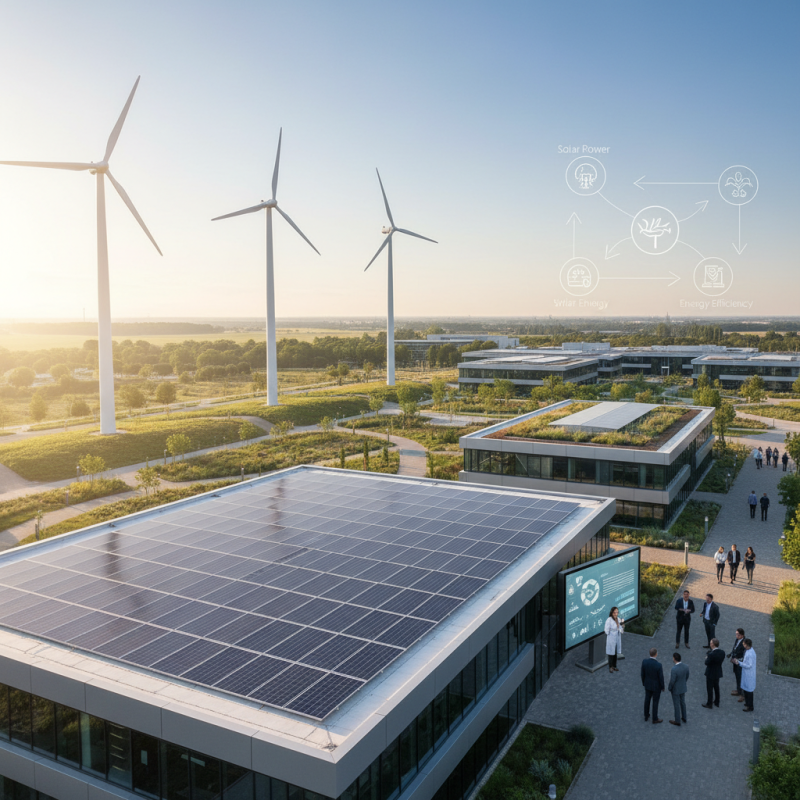
Understanding the Importance of Eco Energy Solutions for Businesses
Understanding the importance of eco energy solutions for businesses is vital in today’s world. The shift towards sustainable practices not only reflects social responsibility but also drives economic benefits. Businesses adopting eco-friendly solutions can reduce their carbon footprint. This helps in fighting climate change, a pressing global issue.
Investing in eco energy can lead to cost savings in the long run. Implementing energy-efficient technologies often results in lower utility bills. However, many businesses are hesitant to switch. Concerns about initial costs and possible operational disruptions can create resistance. It is essential for decision-makers to weigh these factors carefully.
Furthermore, eco energy solutions can enhance a company's reputation. Consumers are increasingly favoring businesses that prioritize sustainability. However, transparency is key. Businesses must authentically commit to eco-friendly practices. Failing to do so can lead to accusations of greenwashing, significantly damaging credibility. Balancing eco-friendly initiatives with practical business needs requires careful consideration and reflection.
Eco Energy Solutions Adoption by Businesses
Evaluating Your Business's Energy Needs and Consumption Patterns
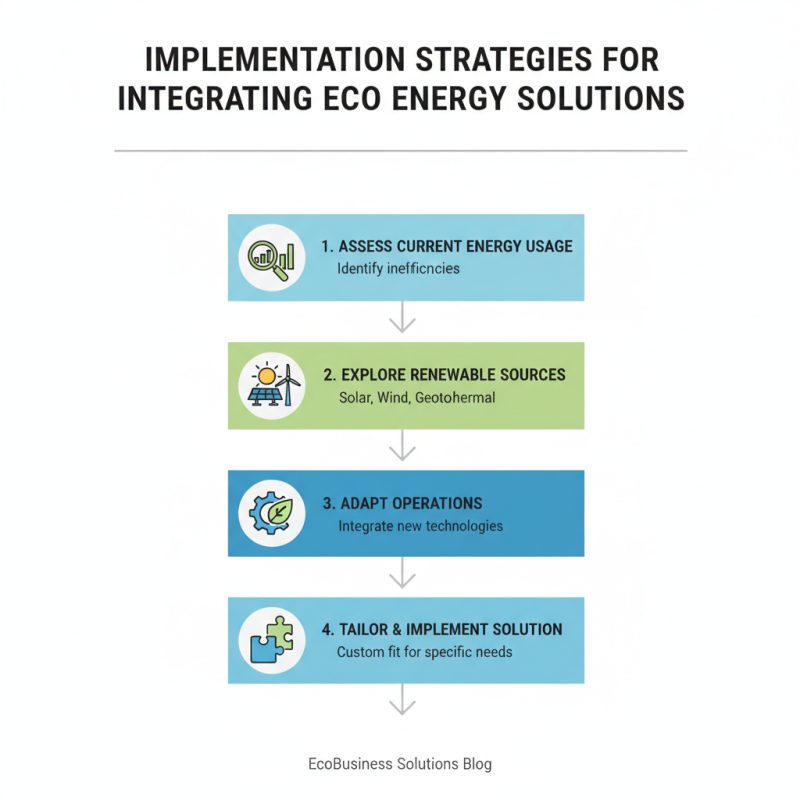
When evaluating your business's energy needs and consumption patterns, it's crucial to consider several factors. Start by analyzing your current energy usage. Look at your electricity bills to identify peaks in consumption. This data helps pinpoint areas where energy use can be reduced. It’s also essential to understand when you consume the most energy. Some businesses may have higher consumption during specific hours, leading to increased costs.
Tips: Regular energy audits can reveal where inefficiencies lie. Engage employees in energy-saving initiatives. Their involvement can lead to innovative ideas. Also, consider the impact of seasonal changes on energy usage. Different seasons may require adjustments in your energy strategy.
Assess your equipment and appliances. Outdated machinery might consume more energy. This might not only be less efficient but could also be costing you more. Invest in energy-efficient models when possible. Reflect on your energy goals and how they align with business objectives. Sometimes, the latest technology isn't the best fit for every business. Choose solutions that genuinely suit your needs.
Exploring Different Types of Eco Energy Solutions Available
Choosing eco energy solutions can be a challenge. Many options exist, each with unique benefits.
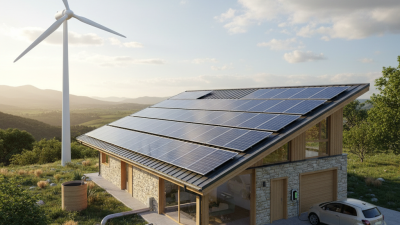
Solar panels are popular for their ability to harness sun energy. They are a long-term investment, with installation costs that can be significant.
However, many businesses see a return over time through energy savings.
Wind energy is another viable option. Wind turbines convert wind into electricity. They work well in open areas, but require consistent wind.
The initial setup is complex, and may not suit every location. Energy storage systems, like batteries, complement these renewable sources.
They ensure a steady energy supply, even on cloudy or calm days.
Bioenergy is less conventional but increasingly relevant. It involves using organic materials for fuel. This can reduce waste and provide a reliable power source.
Each solution has its pros and cons. Your business must assess energy needs, budget constraints, and environmental impact.
Some options appear attractive but may come with hidden challenges.
Understanding these nuances is critical for making informed decisions.
Assessing Costs, Benefits, and ROI of Eco Energy Options
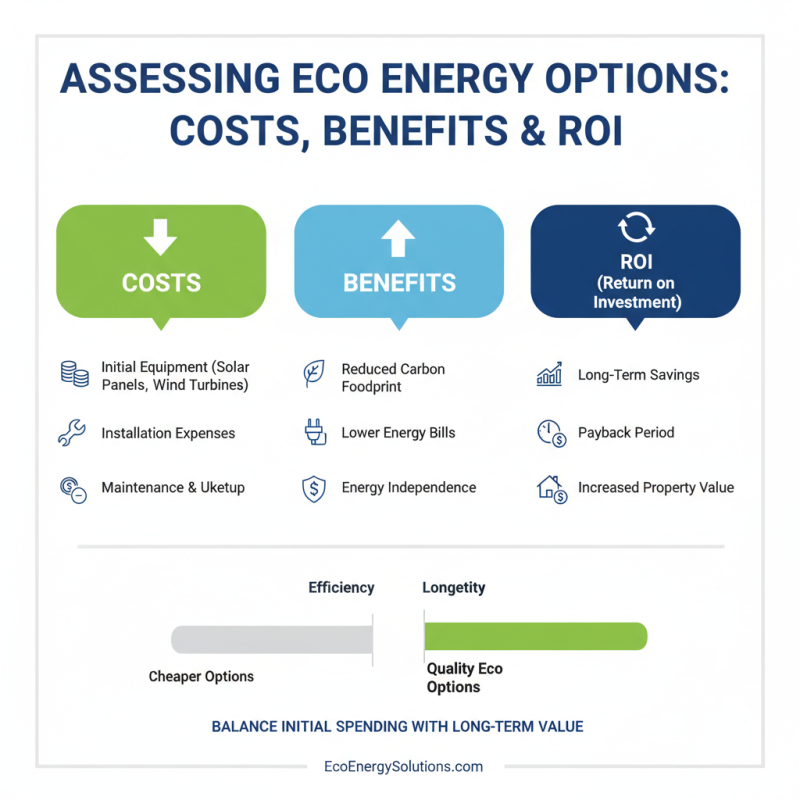
When considering eco energy solutions, it’s vital to assess their costs and benefits thoroughly. Different technologies, such as solar panels or wind turbines, bring varying initial expenses. Installation costs can add up quickly, affecting your budget. An analysis of these costs is essential. However, cheaper options may not always provide long-term savings. Evaluating efficiency and longevity is equally important.
ROI is a crucial factor in your eco energy decision. Understanding the payback period can help gauge whether a solution is worth it. Assess potential energy savings against installation and maintenance expenses. In some cases, the initial investment might seem high. Long-term benefits can, however, prove advantageous. Calculate projected savings over several years to see the bigger picture.
Choosing eco energy is not just about finances; it involves strategic planning. Consider any potential disruptions during installation. Engage with experts to navigate options effectively. Their insights can help identify the most suitable solutions. Balancing costs and environmental impact requires thoughtfulness. Each choice carries potential, but also necessary questions about feasibility and consequences. Reflect on the long-term vision for your business as part of the decision-making process.