| 1 |
Whole-Building Energy Audits |
Identify inefficiencies in HVAC, lighting, insulation, controls, compressed air, and production systems before capital is committed. |
Establishes a verified baseline and can reveal 5–20% low-cost savings opportunities. |
Annual energy use intensity (kWh/m²/year); peak demand; end-use energy split. |
Very High |
International Energy Agency, energy-efficiency guidance |
| 2 |
LED Lighting and Daylight Controls |
Replace inefficient lamps and add occupancy sensors, daylight dimming, timers, and zoning in offices, warehouses, retail spaces, and factories. |
LED technology can use at least 75% less energy than incandescent lighting. |
Lighting energy intensity (kWh/m²/year); operating hours; lighting load factor. |
Very High |
U.S. Department of Energy, LED lighting efficiency data |
| 3 |
High-Efficiency Heat Pumps |
Electrify space heating, water heating, and selected industrial low-temperature processes. |
Heat pumps can deliver approximately 3–4 units of heat for each unit of electricity under suitable operating conditions. |
Seasonal coefficient of performance (SCOP); heating electricity per m²; fossil-fuel displacement. |
Very High |
International Energy Agency, The Future of Heat Pumps |
| 4 |
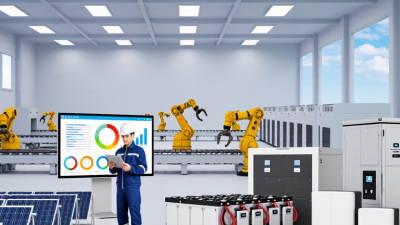
Smart HVAC Controls and Building Management Systems |
Automate temperature setpoints, scheduling, ventilation, fault detection, and demand response across building systems. |
Controls and operational improvements commonly provide 10–20% HVAC energy savings, depending on the starting condition. |
HVAC kWh/m²; comfort-hours outside setpoint; simultaneous heating and cooling. |
Very High |
U.S. Department of Energy, building controls and energy-management guidance |
| 5 |
Building Envelope Upgrades |
Improve roof and wall insulation, air sealing, high-performance windows, solar shading, and thermal-bridge treatment. |
Reduces heating and cooling loads and improves occupant comfort; savings vary significantly by climate and building condition. |
Heating and cooling load; air leakage rate; indoor temperature stability; envelope U-value. |
High |
International Energy Agency, buildings and building-envelope efficiency guidance |
| 6 |
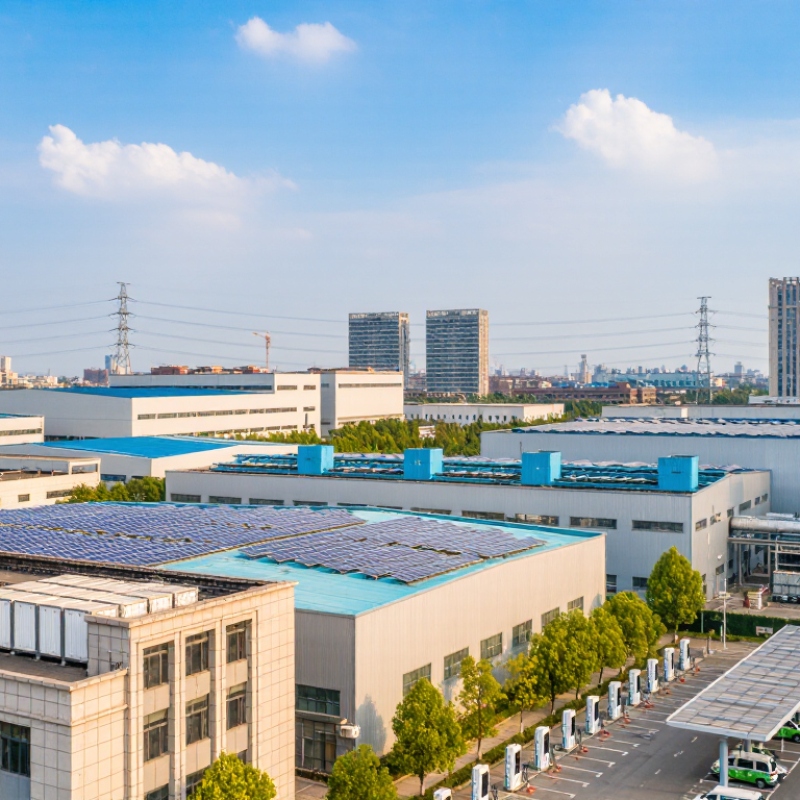
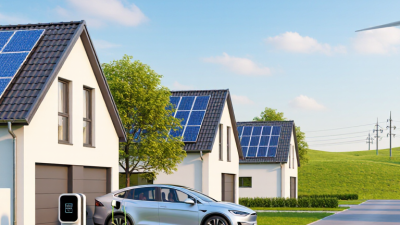
On-Site Solar Photovoltaics |
Generate electricity on suitable rooftops, parking structures, or adjacent land for daytime business demand. |
Reduces grid electricity purchases; output depends on solar resource, orientation, shading, and system size. |
Solar yield (kWh/kW/year); self-consumption rate; renewable electricity share. |
High |
International Renewable Energy Agency, renewable power generation data |
| 7 |
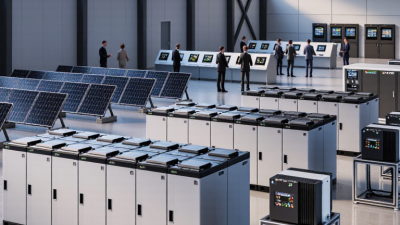
Battery Energy Storage and Peak Management |
Store electricity during lower-cost or lower-carbon periods and discharge during peak demand or grid constraints. |
Can reduce short-duration peak demand and increase on-site renewable self-consumption; results depend on tariffs and load profiles. |
Peak demand (kW); battery round-trip efficiency; renewable self-consumption; demand-charge savings. |
Medium to High |
International Energy Agency, energy storage and power-system flexibility analysis |
| 8 |
Industrial Motor, Pump, and Compressed-Air Optimization |
Use efficient motors, variable-speed drives, leak detection, pressure optimization, and correctly sized equipment. |
Variable-speed control can substantially reduce energy use in variable-load applications, especially fans and pumps. |
Motor system kWh; compressed-air leakage rate; operating pressure; equipment load factor. |
High |
U.S. Department of Energy, motor and compressed-air system resources |
| 9 |
Heat Recovery and Process Integration |
Recover heat from exhaust air, refrigeration systems, boiler flue gas, wastewater, and industrial processes. |
Reuses energy that would otherwise be rejected and can lower fuel and heating demand where temperature levels match. |
Recovered heat (MWh/year); recovery efficiency; fuel displacement; return temperature. |
Medium to High |
International Energy Agency, industrial energy-efficiency guidance |
| 10 |
Renewable Electricity Procurement and Load Flexibility |
Combine verified renewable electricity contracts with flexible scheduling of charging, cooling, pumping, and other controllable loads. |
Can reduce electricity-related emissions and shift consumption toward lower-cost or lower-carbon hours. |
Market-based emissions intensity; renewable electricity share; flexible load shifted (kWh). |
Medium |
GHG Protocol Scope 2 Guidance; International Energy Agency electricity-sector analysis |