What is the Future of Energy Solutions for Sustainable Development?
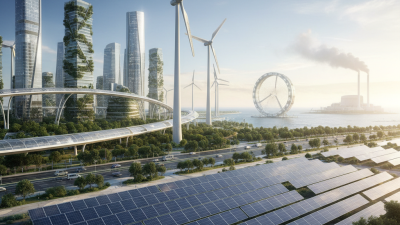
The future of energy solutions for sustainable development is a vital topic. As the world grapples with climate change, innovative energy solutions become crucial. Renewable energy, such as solar and wind, shows promise. These technologies can reduce carbon emissions and provide clean power. Yet, they face challenges like storage and grid integration.
The transition to sustainable energy solutions requires collaboration across sectors. Governments, businesses, and communities must work together. There is a need for investment and research in emerging technologies. Energy efficiency measures should not be overlooked. The road ahead has uncertainties, but potential pathways exist.
We must reflect on our current practices. Are we making the most of available resources? Each energy solution has its trade-offs. Striking a balance between sustainability and practicality is complex. Engaging in dialogue and sharing knowledge will be essential for progress. The quest for effective energy solutions continues, shaping our sustainable future.
The Importance of Sustainable Energy Solutions for Global Development
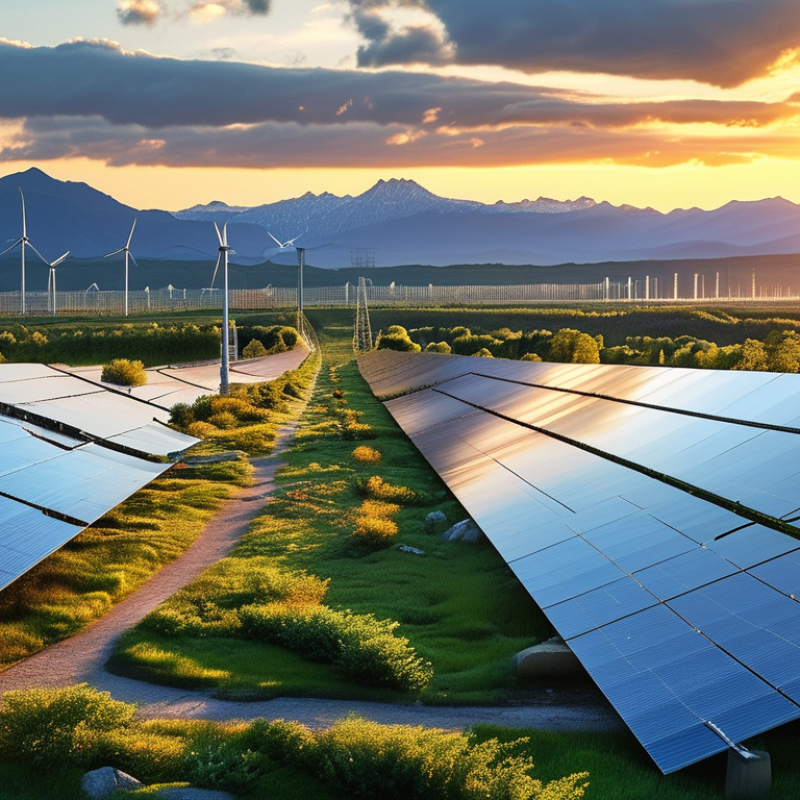
Sustainable energy solutions are pivotal for global development. According to the International Energy Agency, nearly 1 billion people still lack access to electricity. This lack of energy access severely limits economic growth and education opportunities. As we innovate in renewable energy, we must ensure that these technologies are accessible to all, especially in developing regions.
Researchers estimate that transitioning to sustainable energy could create 24 million new jobs worldwide by 2030. This shift not only fosters economic stability but also addresses climate change. Renewable sources like wind and solar are expected to provide about 80% of the world’s energy by 2050. However, challenges remain regarding energy storage and grid infrastructure.
Tips: Engage local communities in renewable projects. Their insights can guide more effective implementations. Prioritize education on energy efficiency. A knowledgeable public can drive demand for sustainable practices. Continuous evaluation of energy policies is vital to ensure they adapt to changing needs and technologies.
Innovative Technologies in Renewable Energy Sources
The landscape of renewable energy is constantly evolving. Innovative technologies play a crucial role in advancing sustainable energy solutions. Solar panels are becoming more efficient, capturing sunlight even in low-light conditions. Wind turbines are now quieter and more effective, harnessing energy in diverse environments.
Energy storage is a critical component. Batteries have improved significantly, allowing for better storage of solar and wind energy. These advances help balance supply and demand effectively. Yet, challenges remain in scalability and cost. Some regions still struggle with the initial investment, hindering adoption.
Hydrogen fuel cells have shown promise as a clean energy solution. They produce electricity with water as the only byproduct. However, production methods often rely on fossil fuels, raising sustainability questions. Smaller, innovative projects can pave the way for larger-scale implementations.
The journey towards a sustainable energy future requires continuous innovation and reflection. We must question the efficiency and impact of every solution. Balancing immediate needs with long-term goals is essential. The path may be uncertain, but the commitment to explore new technologies is crucial.
The Role of Policy and Governance in Energy Sustainability
The role of policy and governance in energy sustainability is increasingly crucial. Effective governance shapes energy frameworks that impact renewable sources, efficiency, and investment. Policymakers must address environmental concerns and economic needs simultaneously.
One challenge is the often slow adaptation of policies to technological advances. Regulations may lag behind innovations in energy storage and smart grids. This gap can hinder progress. Clarity in guidelines can improve stakeholder engagement and attract investments. Collaboration between governments and private sectors is essential for advancing energy solutions.
Tips: Prioritize transparency in energy policies. Open communication fosters trust and encourages public support. Additionally, local governments should be empowered to innovate in their communities. It’s often at the local level where unique solutions can take root, promoting sustainable energy practices that fit regional needs.
Challenges and Opportunities in Energy Transition
The transition to sustainable energy solutions faces significant challenges. One major issue is the reliance on fossil fuels. Many economies depend heavily on these resources, making it difficult to shift to renewables. Emission reductions, necessary for climate goals, clash with existing energy infrastructures. The path to renewables can disrupt jobs in traditional energy sectors. This creates resistance and requires careful management.
Opportunities also arise in the energy transition. Technological advancements have improved renewable energy efficiency. Wind and solar power, for instance, become more cost-effective every year. Innovative storage systems can store energy for later use. This reliability makes renewables a more viable option. Governments and organizations increasingly invest in green technologies. Education and workforce retraining programs can ease the transition. The public's growing environmental awareness drives demand for sustainable solutions, promoting innovation.
Each region faces unique challenges and opportunities. Social, economic, and political factors can influence energy decisions. Flexibility and adaptability are key. Balancing immediate energy needs with sustainable practices remains a complex task. Solutions must consider local contexts and global goals. The future of energy solutions relies on navigating these complexities together.
What is the Future of Energy Solutions for Sustainable Development? - Challenges and Opportunities in Energy Transition
| Energy Source |
Current Capacity (GW) |
Projected Capacity (2030) (GW) |
Main Challenges |
Opportunities |
| Solar Energy |
200 |
800 |
High initial costs, land use |
Advancements in technology, decreasing costs |
| Wind Energy |
180 |
600 |
Intermittency, resource location |
Offshore development, technology improvements |
| Hydropower |
1300 |
1500 |
Environmental impact, climate change |
Energy storage capabilities, flood management |
| Geothermal |
14 |
25 |
Limited resource locations |
Base load power supply, low emissions |
| Biomass |
125 |
200 |
Sustainability concerns, land use |
Waste reduction, circular economy initiatives |
Future Trends in Energy Storage and Efficiency Solutions
The future of energy solutions is increasingly focused on storage and efficiency. According to a recent report by the International Energy Agency, global energy storage capacity is projected to reach over 200 gigawatt-hours by 2030. This surge will support renewable energy sources, which are expected to contribute nearly 30% of the world's energy mix by the same year. Energy efficiency measures can also lead to significant cost savings, with estimates suggesting up to $2 trillion could be saved annually through improved efficiency.
Tips: Consider engaging with local energy initiatives. Community programs can boost efficiency while accessing valuable resources.
Battery technologies are evolving. Solid-state batteries promise greater energy density and safety compared to traditional lithium-ion batteries. However, challenges persist in scalability and cost. The transition to sustainable energy isn't straightforward. Inequities in energy access remain, particularly in developing countries. Reports indicate that around 840 million people still lack electricity, highlighting the need for inclusive energy policies.
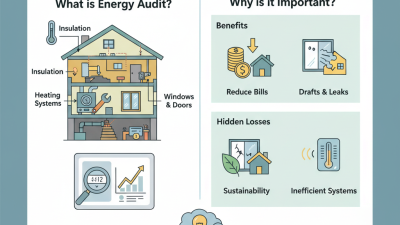
Tips: Explore home energy audits. They identify areas for efficiency improvements, reducing consumption and costs.