Top 10 Solar Panels for Businesses in 2026?
Choosing a solar panel for business in 2026 means weighing more than the lowest quoted price. A warehouse roof, a small shop, and a refrigerated facility have different energy demands. Their roofs differ, too. This guide compares ten panel options using practical factors: rated output, efficiency, degradation, warranty terms, and manufacturer support. Those figures help, but they do not tell the whole story. Shading from a vent, a weak roof section, or an installation that misses its design can change real-world results. No panel fixes that.
Energy analyst Amory Lovins is widely associated with the reminder, “The cheapest energy is the energy you don’t use.” It is a useful caution for buyers: review efficiency measures and operating schedules before sizing a system. A larger array is not automatically the better choice. Our selections are intended as a starting point, not a universal verdict; prices, availability, and product specifications can change by market and over time. Even a careful ranking has blind spots. Published ratings cannot predict every roof or maintenance issue. Compare current manufacturer documents, request a site-specific assessment, and check how each proposal estimates annual production. The right solar panel for business is the one that fits the building, load profile, budget, and service plan—not simply the one with the most impressive number.
How Commercial Solar Panels Are Defined and Evaluated in 2026
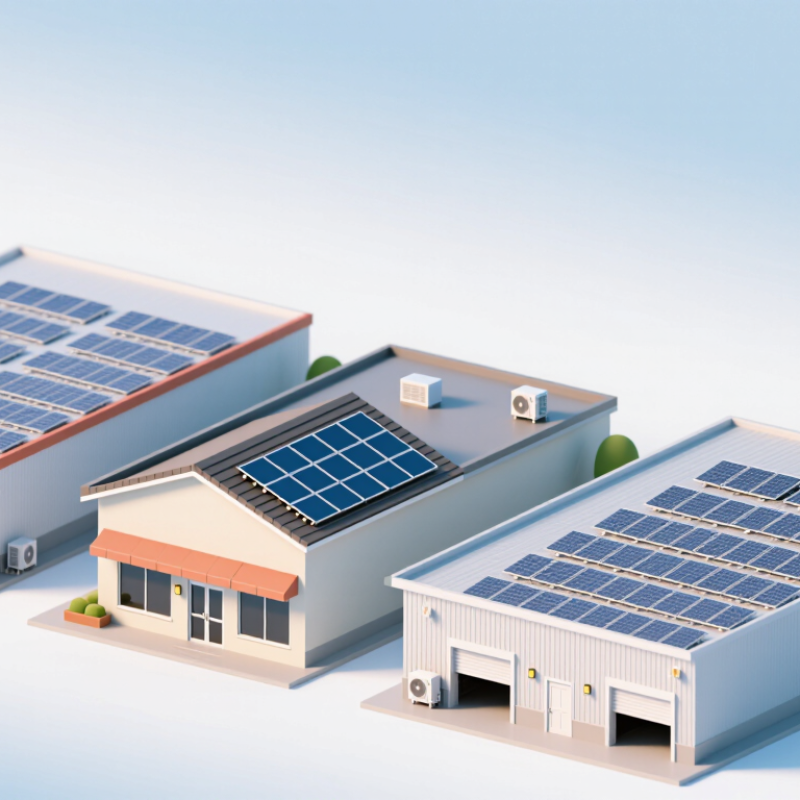
In practice, “commercial solar panel” describes a module used in a business-scale system, not a separate technology category. A warehouse roof may use familiar silicon modules, but its design must account for roof loading, fire access, shading, wiring distances, and operating schedules. Small details matter. A panel’s headline wattage alone cannot show how much usable electricity a site will produce.
Evaluation should compare energy yield, not just nameplate power. Review module efficiency, temperature coefficient, expected degradation, product and performance warranties, and compatibility with inverters. Check independent test data and relevant IEC safety and performance certifications. Then model annual kilowatt-hours using the site’s weather, roof orientation, shading, and utility rates. NREL’s 2024 Annual Technology Baseline offers a useful framework for comparing system costs and performance assumptions, though a benchmark cannot replace a site-specific assessment.
Market growth makes careful comparison more important. The IEA’s Renewables 2024 report says solar PV additions reached about 420 gigawatts worldwide in 2023. That figure describes deployment, not panel quality. A candid limitation: forecasts and warranty language cannot perfectly predict a real roof’s output. Ask for the assumptions behind every estimate, including soiling, downtime, and future shading. The difference can be substantial.
Panel Technologies and Specifications That Matter to Businesses
For businesses, a solar panel’s nameplate wattage is only part of the decision. Compare power output, efficiency, temperature coefficient, and degradation rate together. A 450-watt module may look attractive, but its real value depends on roof space, local heat, and installation layout. In hot conditions, a lower temperature coefficient can help preserve output during long afternoons. That matters. Monocrystalline PERC panels are widely used, while newer TOPCon and heterojunction designs may offer higher efficiency or lower degradation. Actual results depend on the product and site, so check independent test data rather than relying on technology labels alone.
Roof conditions shape the best choice. Bifacial panels can collect reflected light from behind, but they usually need suitable clearance and reflective surfaces; a crowded, dark roof may offer little gain. Review dimensions, weight, connector compatibility, and mechanical load ratings before approving a design. Businesses should also compare warranted power after 25 or 30 years, product coverage, and the installer’s documented system assumptions. A longer warranty is not a substitute for clear service terms. Ask for modeled production using the building’s shading, utility bills, and operating hours. Models are estimates, not promises. I would also leave room for uncertainty: dust, future rooftop equipment, and unexpected shade can all reduce output. A small mismatch in the plan can matter more than a headline efficiency figure.
Commercial Solar Module Technologies: Typical Efficiency Ranges
A technology-focused comparison for businesses evaluating solar modules in 2026. Ranges are indicative of commercially available products, not a ranking of specific panels.
Module efficiency measures how much sunlight a panel converts into electricity under standard test conditions. Actual specifications vary by product; businesses should also compare temperature coefficient, degradation, warranty, available roof area, and total installed cost.
The Top 10 Solar Panels for Businesses in 2026
The Top 10 Solar Panels for Businesses in 2026 should be judged by site conditions, not wattage alone. A useful shortlist includes N-type TOPCon and heterojunction panels for strong efficiency; back-contact panels for high output per roof area; and bifacial panels where reflected light can reach the rear surface. Glass-glass designs may offer added durability, while high-wattage monofacial panels can reduce the number of modules and mounting points. Low-light designs suit shaded or cloudy sites. Heat-tolerant panels may help on hot rooftops. Lightweight panels can work where roof loading is a concern. Proven PERC panels remain a possible budget choice, especially for straightforward replacements. Fit matters more.
Before choosing, compare each panel’s power rating, temperature coefficient, degradation warranty, and tested performance. Ask for the full datasheet, not just a sales summary. A lower temperature coefficient can help limit output losses on a sun-heated roof. Check dimensions against roof obstructions, fire access paths, and maintenance routes. For bifacial models, request a realistic yield estimate; a reflective roof does not guarantee a large gain.
There is no universal winner. That ranking is imperfect because local weather, roof structure, electricity use, and installation quality can change the result. Review proposals using the same assumptions, and have a qualified solar professional assess roof condition and electrical compatibility. A panel that looks excellent on paper may be a poor match for one building.
How to Match a Solar Panel to a Business’s Energy Needs
Top 10 Solar Panels for Businesses in 2026?
Match the Panel to Your Business’s Energy Needs
Choosing a commercial solar panel starts with understanding when your business uses electricity. Review utility bills and, if available, hourly usage data across different seasons. A bakery running ovens before dawn has a different profile from an office busiest at midday. Small details matter. Note cooling equipment, refrigeration, machinery, and plans to add electric vehicles. These loads can change the value of a system over time.
Then compare panel output with your usable roof or ground space. Higher-efficiency panels may help when space is limited, while standard options can suit larger, unshaded areas. Check temperature performance, product and performance warranties, and compatibility with the proposed inverters. Ask how shade, roof direction, and local weather affect the estimated production. Real roofs vary. Request a design based on your actual load data, not just a monthly bill average. A tidy spreadsheet can still mislead if it misses seasonal peaks or future equipment. One estimate is never enough. Compare the assumptions behind each proposal, including expected output and system losses, before deciding which panel best fits your business.
Commercial Installation, Warranties, and Long-Term Performance
Top 10 Solar Panels for Businesses in 2026?
Commercial Installation, Warranties, and Long-Term Performance
A commercial panel’s rated output is only part of the decision. Roof condition, local shading, wind exposure, and available electrical capacity all affect the final system. During a site visit, an experienced installer should inspect roof structure and map obstacles such as vents and HVAC units. A neat layout matters, but safe maintenance access matters too. Installation details can be easy to overlook.
Compare warranty terms carefully. Product warranties cover equipment defects, while performance warranties address expected output over time; they are not interchangeable. Check what happens if a panel fails, whether labor is included, and how claims are handled. Ask for the expected yearly energy range, not just a best-case estimate. Actual production varies with weather, dust, shading, and system upkeep. Even a careful forecast has limits.
Tips: Request a written design, production estimate, and warranty summary before signing. Ask how the installer will protect the roof and verify system performance after commissioning. Review monitoring data each month, especially after the first year. A sudden dip may point to shading, dirt, or a fault. Keep records of inspections and repairs; they can help clarify later claims.