What is Solar Panel Energy and How Can It Benefit Your Business?
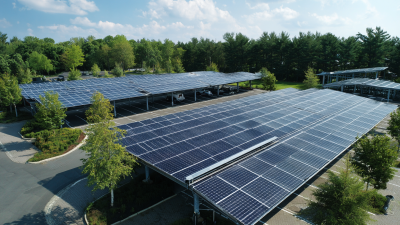
As businesses seek sustainable solutions, solar panel energy emerges as a crucial player. This renewable energy source harnesses sunlight to generate electricity, reducing reliance on conventional power. Many companies are now exploring the potential of solar energy not just for cost savings but also for environmental impact.
Implementing solar panel energy can significantly lower utility bills. Imagine a factory running on solar power, minimizing expenses while contributing to a greener planet. However, the transition to solar isn’t without challenges. Initial setup costs can be daunting, and not all businesses have the right infrastructure. Assessing these factors is vital for a successful implementation.
Moreover, businesses must consider regulations and incentives associated with solar panel energy. Staying informed about local policies can enhance the benefits of going solar. While there is much potential, some companies may find the shift complex. Navigating these issues requires careful planning and expert advice for a fruitful transition.

Understanding Solar Panel Energy: Basics and Technology Explained
Solar panel energy harnesses sunlight and converts it into electricity. This technology is becoming vital for businesses seeking sustainable energy solutions. According to the International Renewable Energy Agency (IRENA), the global solar capacity grew by a record 127 gigawatts in 2020. This statistic highlights the industry's rapid development. Solar panels can significantly reduce energy costs. Businesses can potentially save 50-80% on their energy bills.
Understanding the technology behind solar panels is essential. Photovoltaic (PV) cells are typically made from silicon. They absorb sunlight and create an electric current. This process is simple yet effective. However, the initial investment can be a barrier for some businesses. Many companies face uncertainty about the return on investment (ROI). A recent report by Lazard shows that the levelized cost of energy (LCOE) for solar has dropped by 88% since 2009. This trend suggests increased reliability and cost-efficiency.
Adopting solar energy offers several benefits, but challenges remain. Some businesses struggle with available space for solar installations. Others worry about maintenance and durability. The solar panel installation process may take time, causing potential disruptions. Despite these concerns, many companies find the transition beneficial in the long run. Embracing solar energy not only contributes to cost savings but also fosters a responsible corporate image.
The Environmental Benefits of Solar Energy for Businesses
Solar energy is becoming a vital asset for businesses. The environmental benefits are profound. Switching to solar reduces carbon footprints significantly. This means cleaner air for all. Businesses can play a crucial role in combating climate change.
Adopting solar energy creates a positive image. Clients are increasingly looking for eco-friendly companies. Showing commitment to sustainability can attract new customers. It enhances brand loyalty among existing ones. Businesses can also find an edge in competitive markets.
Tips: Consider starting small with solar installations. Analyze your energy usage first. Evaluate local incentives for solar energy. Engaging with community solar projects can be a cost-effective option. Remember, not every business needs large solar arrays. Each step counts towards a greener future.
Cost Savings and Financial Incentives of Solar Panel Installation
Solar panel energy is becoming increasingly vital for businesses seeking to optimize costs. The initial installation of solar panels might seem daunting, but the financial benefits can be significant. According to the Solar Energy Industries Association (SEIA), businesses can save up to 75% on energy bills by switching to solar energy. This transition leads to reduced overheads and better cash flow management. Additionally, many regions offer tax incentives and grants, making the investment more manageable. Federal solar tax credits can recover 26% of the installation costs, empowering businesses to move forward confidently.
Adopting solar energy also reflects well on a company's sustainability practices. Many consumers prefer businesses that prioritize green solutions. This shift can enhance your brand image and attract eco-conscious customers. Although some companies worry about return on investment timelines, studies show that the average payback period for solar installations is around five to seven years. After that, businesses enjoy nearly free energy for decades.
Tip: Assess your local solar incentives. Research financial options available in your area. This can significantly impact your final decision. Regularly revisiting your energy needs is also essential. What works today might not suffice tomorrow. Exploring different solar solutions should be part of your growth strategy.
Evaluating the Return on Investment for Solar Energy Systems
Evaluating the return on investment (ROI) for solar energy systems is crucial for businesses. Many companies are exploring solar panels as a sustainable option. However, assessing the financial implications is complex. Initial costs can be substantial, requiring careful budget considerations.
When calculating ROI, consider tax incentives, energy savings, and potential increases in property value. Some businesses benefit from rebates, which lower upfront expenses. Additionally, savings on energy bills can be significant over time. Even small companies report reduced costs after switching to solar.
Yet, not all experiences are positive. Some companies face installation challenges or maintenance issues that can affect ROI. It's essential to conduct thorough research and seek expert advice. A detailed analysis helps in making informed decisions that align with your business goals. Engaging with experienced professionals can provide insights into expected performance and cost-effectiveness. This informed approach will help ensure that the transition to solar energy is both financially viable and beneficial in the long run.
Solar Panel Energy Return on Investment (ROI)
This chart illustrates the projected Return on Investment (ROI) for solar energy systems over a five-year period. As businesses invest in solar panel energy, they can expect to see a growing return each year, making it a financially viable choice for sustainable energy solutions.
Practical Steps for Businesses to Implement Solar Energy Solutions
Implementing solar energy solutions can be a transformative step for businesses. Understanding how to harness this energy source is vital. Here are practical steps to consider.
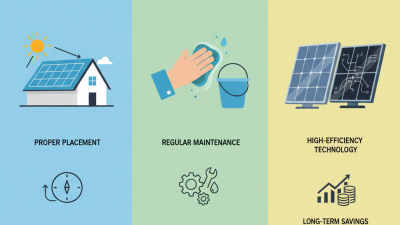
Assess your energy needs first. Review your current usage and identify the best solar solutions. This will help you select a system that matches your requirements. Additionally, consider conducting a site evaluation. The size and orientation of your roof matter significantly. Some areas receive more sunlight than others, impacting energy production.
Tips: Start small. A pilot project can help you gauge effectiveness before making larger investments. Monitor performance regularly to ensure the system operates efficiently. Unexpected costs can arise during installation. Be prepared for potential setbacks.
Solar energy is not always a one-size-fits-all solution; each business must tailor it to their specific context.
Lastly, connect with experienced solar providers. They can offer expertise and guide you through the process. Choose professionals who can explain complex technical details, ensuring you make
informed decisions. This element enhances
trustworthiness in your journey toward sustainable energy.