Top 10 Solar Energy Solutions for Global Businesses Today?
The shift towards renewable energy is no longer a choice but a necessity for global businesses. According to a report by the International Energy Agency, solar energy could meet 30% of the world's electricity needs by 2030. This shows a growing reliance on solar energy solutions. Businesses that adopt these technologies not only reduce their carbon footprint but also cut operational costs.
Incorporating solar energy solutions can be both a practical and a strategic move. Data from Bloomberg New Energy Finance highlights that the cost of solar photovoltaic (PV) systems has dropped by over 80% since 2010. Despite these advances, many companies still hesitate to invest fully in solar technologies. This reluctance often stems from concerns about initial costs and long-term savings.
Nevertheless, the long-term benefits often outweigh initial investments. Companies like Walmart and Google have successfully transitioned to solar energy solutions, enhancing their sustainability profiles while improving their bottom lines. Businesses today must weigh the risks and rewards associated with adopting these systems. Engaging with solar energy solutions can reshape their operations and create a more sustainable future.

Top Trends in Solar Energy Solutions for Businesses
The solar energy landscape is rapidly evolving. Many businesses recognize its potential for cost savings and sustainability. Reports indicate that the solar energy market is expected to reach $223 billion by 2026. This growth is driven by technology advancements and decreasing installation costs.
One trend is the adoption of community solar projects. These allow businesses to share solar power without installing panels on-site. By participating in these programs, companies can reduce their energy costs and carbon footprint. According to a recent study, companies engaged in community solar saw an average savings of 10-15% on their energy bills.
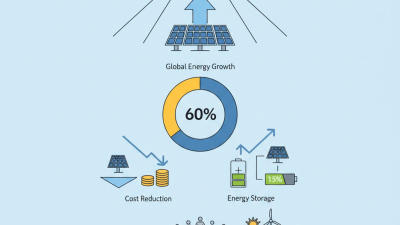
Another significant trend is the integration of solar with energy storage. Businesses are increasingly looking for reliable energy sources. Energy storage solutions can help address variability in solar production. Reports show that the energy storage market is set to grow by over 40% annually through 2025. This combination enhances energy resilience, enabling companies to lower dependency on grid power.
Such trends show that while opportunities abound, challenges remain. Businesses must navigate initial investment costs and regulatory hurdles. There is still a need for education on the benefits of solar energy solutions. Continued engagement with the industry will be crucial as this landscape develops.
Cost-Effective Solar Technologies for Global Enterprises
As global warming accelerates, renewable energy is becoming essential. Businesses are seeking cost-effective solar solutions. These technologies can lower operational costs and enhance sustainability efforts.
Solar photovoltaic (PV) systems are increasingly popular. They convert sunlight directly into electricity. Installing these systems can reduce reliance on fossil fuels. However, initial installation costs may be high. Companies must consider long-term savings versus upfront investments.
Another viable option is solar thermal technology. This captures heat for hot water and space heating. It's particularly useful in regions with abundant sunshine. Maintenance requirements can be minimal, but efficiency varies by location.
Energy storage systems are critical for optimizing solar energy. They store excess energy for use during non-sunny periods. Yet, battery technology is still evolving. Companies must evaluate their specific needs before investing in storage solutions.
While many businesses embrace solar energy, challenges persist. Regulatory hurdles and fluctuating energy prices can affect profitability. Businesses need to stay informed and adaptable in this changing landscape. Engaging with experts can illuminate the path forward for sustainable energy use.
Innovative Solar Energy Storage Solutions for Commercial Use
Solar energy storage solutions are becoming vital for businesses. They allow companies to store excess energy for later use. This helps balance supply and demand.
One innovative method is using battery storage systems. These systems capture solar energy during the day. Businesses can use stored energy at night or during peak demand hours. Consider the benefit of reducing energy costs. It's a significant saving. However, it requires careful analysis of usage patterns.
Another solution is thermal energy storage. This method stores heat instead of electricity. Businesses can use stored heat for heating during colder months. It can be cost-effective but requires specific infrastructure. Evaluate if your space can accommodate this.
Tips: When choosing a solar storage solution, evaluate your energy usage. Understand your peak demand periods. Consider working with experts who can help design a tailored system. Keep in mind energy regulations in your region. Compliance is crucial for any installation.
Strategies for Implementing Solar Power in Business Operations
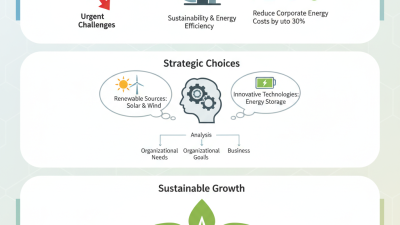
Implementing solar power in business operations involves several strategic approaches. First, businesses must conduct a thorough energy audit. This audit assesses current energy usage and identifies potential solar energy needs. Understanding these specifics is crucial. A precise analysis helps in selecting appropriate solar technologies that can meet operational demands.
Engaging with local solar providers can also enhance implementation. They bring valuable insights and expertise that can tailor solutions for specific business needs. Organizations should consider participating in community solar programs. This can be a cost-effective option, especially for smaller businesses lacking the ideal physical space for solar panels. However, results may vary based on local policies and incentives.
It's essential to monitor performance after installation. Measuring the actual savings against forecasts can reveal discrepancies. This reflection aids businesses in adjusting strategies. Employee involvement in solar initiatives cultivates a culture of sustainability. However, some staff may resist change, which could create tension. Addressing these challenges head-on strengthens the implementation process. Each business's solar journey is unique, filled with learning opportunities and adjustments.
Top 10 Solar Energy Solutions for Global Businesses Today
| Solution |
Description |
Benefits |
Implementation Timeframe |
Estimated Cost |
| Solar PV Systems |
Photovoltaic systems convert sunlight directly into electricity. |
Reduces electricity bills, low maintenance. |
3-6 months |
$20,000 - $500,000 |
| Solar Thermal Systems |
Systems that harness solar energy for heating purposes. |
Efficient heating, lowers gas/electricity use. |
6-12 months |
$10,000 - $300,000 |
| Solar Carports |
Covered parking structures that generate solar energy. |
Maximizes space, dual functionality. |
4-8 months |
$50,000 - $1,000,000 |
| Solar Farms |
Large-scale solar power generation installations. |
Provides renewable energy to the grid. |
12-24 months |
$1,000,000 - $10,000,000 |
| Net Metering |
Billing mechanism that credits solar energy system owners. |
Cost savings on energy bills. |
Immediate |
N/A |
| Battery Storage |
Systems that store solar energy for use during peak times. |
Enhanced energy security, reduces peak demand. |
6-12 months |
$5,000 - $50,000 |
| Sustainable Design Integration |
Incorporating solar technology into building designs. |
Lower energy use, aesthetic benefits. |
12-36 months |
Varies widely |
| Green Certifications |
Programs recognizing businesses using renewable energy. |
Improves brand image, attracts eco-conscious customers. |
Varies |
N/A |
| Community Solar Projects |
Shared solar energy projects involving local communities. |
Access to solar energy without installation costs. |
12-18 months |
$100,000 - $1,000,000 |
| Solar Water Pumps |
Pumps powered by solar energy for irrigation and water supply. |
Saves electricity costs in agricultural settings. |
3-6 months |
$2,000 - $50,000 |
Evaluating the Environmental Impact of Solar Energy for Companies
The environmental impact of solar energy is significant for companies adopting this renewable source. Research from the International Energy Agency indicates that solar energy could reduce global carbon emissions by over 4 billion tons annually by 2030. This figure underscores solar energy's role in sustainable business practices. Many companies report an average of 45% reduction in greenhouse gas emissions after switching to solar, showcasing its effectiveness.
Investing in solar panels not only benefits the environment but also enhances a company's image. A study by the Solar Energy Industries Association found that 88% of consumers support businesses that utilize renewable energy sources. Therefore, transitioning to solar can improve customer loyalty and brand reputation. However, companies should consider the up-front costs and long-term financing strategies before making this leap.
Tips: Assess your energy consumption needs before investing. This helps determine the size and type of solar solution required. Engage with local solar professionals who can provide tailored advice. Remember, continuous evaluation of the sustainability strategy is crucial. Adapt and optimize based on performance metrics and evolving technologies.