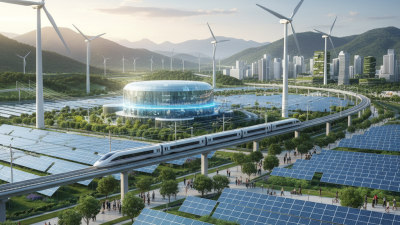
10 Best Eco Energy Solutions for a Sustainable Future?
As the world grapples with climate change, eco energy solutions are emerging as essential components for a sustainable future. According to a report by the International Renewable Energy Agency (IRENA), renewable energy could supply up to 86% of global power needs by 2050. This statistic highlights the urgent need for innovation in eco energy technologies and infrastructure.
Industry expert Dr. Elena Hart, a leading voice in sustainable energy, emphasizes, “Transitioning to eco energy is not just an option; it is a necessity for our planet's survival.” Her insights underline the critical role that renewable sources, such as solar and wind power, must play in reducing greenhouse gas emissions. However, the path to a sustainable future is complex and filled with challenges.
Despite significant advancements, the eco energy sector faces hurdles. Storage technologies for renewable energy are still developing. Additionally, the economic feasibility of some solutions remains debatable. While many solutions show promise, they require coordinated efforts and commitment from all sectors to realize their full potential. Embracing this challenge is essential for achieving a resilient and sustainable energy landscape.
Innovative Solar Technologies for Clean Energy Generation
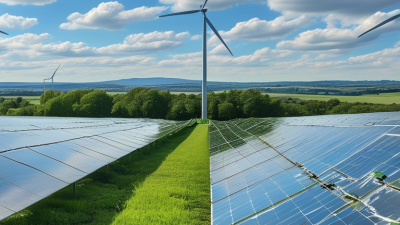
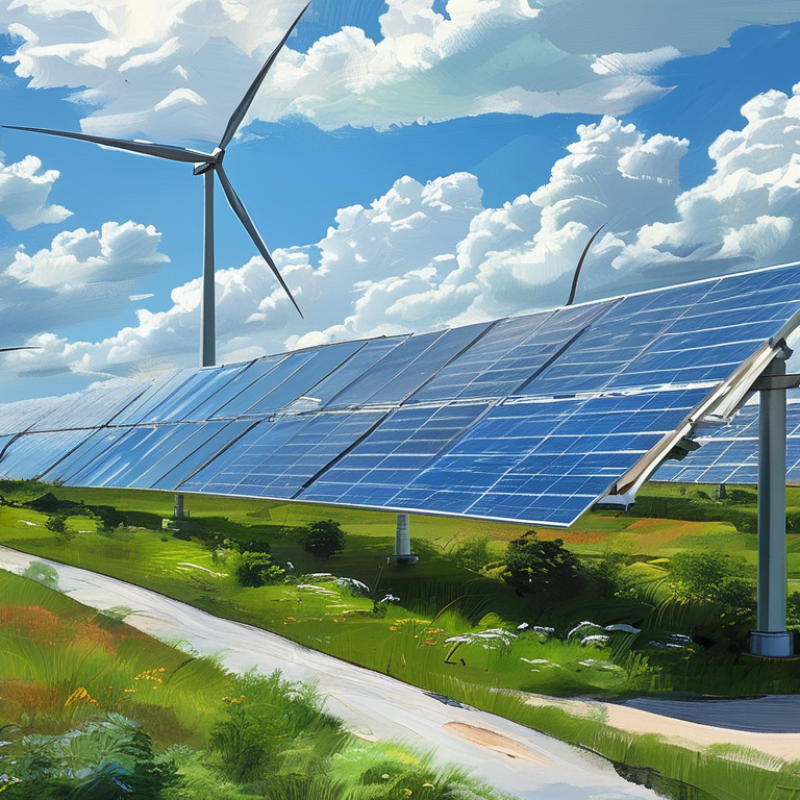
Innovative solar technologies are pivotal for clean energy generation. These advancements not only harness sunlight but also enhance efficiency. For instance, bifacial solar panels capture energy from both sides, maximizing output. This technology represents a shift towards more effective solar solutions.
Tips: Consider your location. If you're in a sunny area, a solar rooftop installation can be beneficial. Additionally, integrating storage solutions will enhance your energy independence.
Another intriguing development is the use of solar skin technology. This allows panels to blend with your roof design. While this adds aesthetic value, effective installation can be complex. Always consult with professionals to navigate these options.
The role of community solar projects is gaining traction. They allow multiple households to benefit from one solar installation. Despite their potential, they often face regulatory hurdles and funding issues. Active community involvement is essential to overcome these challenges.
Harnessing Wind Power: Advances in Turbine Design and Efficiency
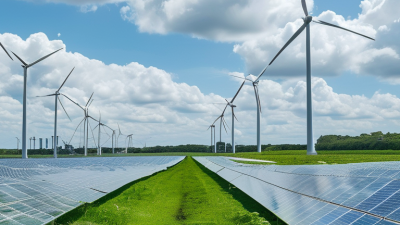
Wind power is a cornerstone of eco energy solutions. Advances in turbine design dramatically improve efficiency. Modern turbines are taller and have larger blades, capturing more wind energy. These developments lead to higher energy outputs even in low-wind areas. However, turbine placement remains a critical consideration. Not all locations are suitable for installations.
One key tip for maximizing wind power is to assess local wind patterns. Use tools like anemometers to gather data over time. This analysis helps identify the most productive sites for turbines. Properly analyzing the wind resource can prevent costly mistakes.
Another important factor is community engagement. Involving local stakeholders can ease the planning process. Educating the public about the benefits of wind energy fosters support. But, remember, not everyone may welcome changes. Addressing concerns transparently often leads to better outcomes.
Despite advancements, challenges persist. Turbine technology must continually evolve to meet efficiency demands. Ongoing research into materials and design can lead to further improvements. The journey towards a sustainable future is complex, but the potential of wind power remains undeniable.
10 Best Eco Energy Solutions for a Sustainable Future
| Technology |
Efficiency (%) |
Recent Advances |
Impact on CO2 Emissions (tons/year) |
| Horizontal Axis Turbines |
45 |
Larger blades and improved aerodynamics |
2,000,000 |
| Vertical Axis Turbines |
35 |
Lower cut-in speed and noise reduction |
1,000,000 |
| Offshore Wind Farms |
50 |
Floating turbine technology |
3,500,000 |
| Distributed Wind Systems |
40 |
Modular designs for urban settings |
500,000 |
| Small Wind Turbines |
30 |
Integration with solar power systems |
250,000 |
The Role of Biomass in Sustainable Energy Solutions
Biomass is gaining attention as a viable energy solution. It derives from organic materials, such as plant and animal waste.
According to the International Renewable Energy Agency (IRENA), biomass contributed to 10% of the world's total energy supply in 2020. This figure highlights its potential role in sustainable energy systems.
Biomass can significantly reduce greenhouse gas emissions. The U.S. Department of Energy reports that using biomass can lower emissions by up to 80% compared to fossil fuels.
However, challenges exist. Sustainable sourcing of biomass is crucial to prevent deforestation. Not every biomass source is equally sustainable.
It is vital to assess the ecological impact and ensure responsible usage.
Investing in biomass technology can spur economic development. In rural areas, biomass facilities can create jobs in energy production and waste management.
Yet, public perception remains mixed. Some fear the impact on food prices and land use. Comprehensive policies are required to balance energy needs with environmental sustainability.
Addressing these concerns is key for biomass to reach its full potential.
Energy Efficiency in Buildings: Sustainable Architecture Practices
Incorporating energy efficiency into building design is crucial for sustainability. The World Green Building Council reports that buildings account for 39% of global carbon emissions. Efficient architecture can significantly reduce this impact. Integrating passive design principles saves energy while enhancing occupant comfort. For example, strategically placed windows maximize natural light and minimize heating and cooling needs.
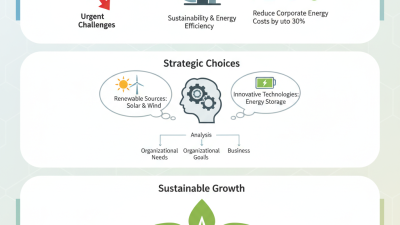
Utilizng sustainable materials is essential. Materials like bamboo and recycled steel are both eco-friendly and durable. According to the U.S. Department of Energy, energy-efficient upgrades can reduce energy costs by 30% or more. However, many buildings still use outdated systems that are less efficient. Regular audits can identify areas needing improvement and encourage necessary changes.
Tip: Conduct regular energy audits to identify inefficiencies in your building. This can lead to significant savings and reduced emissions.
Tip: Consider a cool roof system. It can lower energy costs by reflecting sunlight and absorbing less heat.
An awareness of both the benefits and limitations of various practices is necessary. Some building efficiency upgrades require upfront investment, which may deter decision-makers. Balancing cost with
long-term savings requires careful consideration.
Emerging Trends in Electric Transportation and Charging Infrastructure
The landscape of electric transportation is undergoing rapid transformation. As per a recent industry report, global electric vehicle (EV) sales growth reached a staggering 43% in 2021, showcasing a clear consumer pivot towards greener options. This shift is crucial as transportation accounts for about 24% of global carbon emissions. The surge in EV adoption demands a robust charging infrastructure to support it.
Emerging trends indicate that fast-charging stations are vital for enhancing user experience. Currently, there are over 6,000 charging stations in the U.S., with numbers expected to double by 2025. However, existing infrastructure must improve connectivity and efficiency. Reports suggest that nearly 80% of EV owners charge at home, emphasizing the need for effective home charging solutions.
Tips: When considering electric transportation, assess your daily range needs. This impacts whether a home charger or public stations will serve you best. Also, consider investing in renewable energy sources for home charging to maximize sustainability.
The journey ahead is not without challenges. Urban areas must address space constraints for charging stations. Additionally, rural regions often lack sufficient infrastructure, resulting in range anxiety for users. As the market grows, local governments and private sectors must collaborate to bridge these gaps.