Top 5 Eco Energy Solutions Tips for Global Buyers
In the rapidly evolving world of eco energy solutions, buyers face a host of choices. Industry expert Dr. Emily Green emphasizes, “Adopting eco energy solutions is not just a trend; it’s a necessity for a sustainable future.” This statement captures the growing urgency for global buyers to make informed decisions about energy sources.
Eco energy solutions can significantly impact our planet. From solar power to wind energy, each solution offers unique benefits. However, not every option suits every market or budget. Understanding these nuances is crucial for buyers aiming to reduce their carbon footprint and cut costs. Many organizations overlook local regulations and product suitability, leading to inefficiencies.
Investing in eco energy solutions requires careful consideration. Buyers should assess the long-term benefits and risks involved. Details like energy efficiency ratings and installation costs are vital. It’s not just about being green; it’s about being smart. Eco energy solutions can enhance business sustainability, but without proper research, the outcomes can be less than ideal.
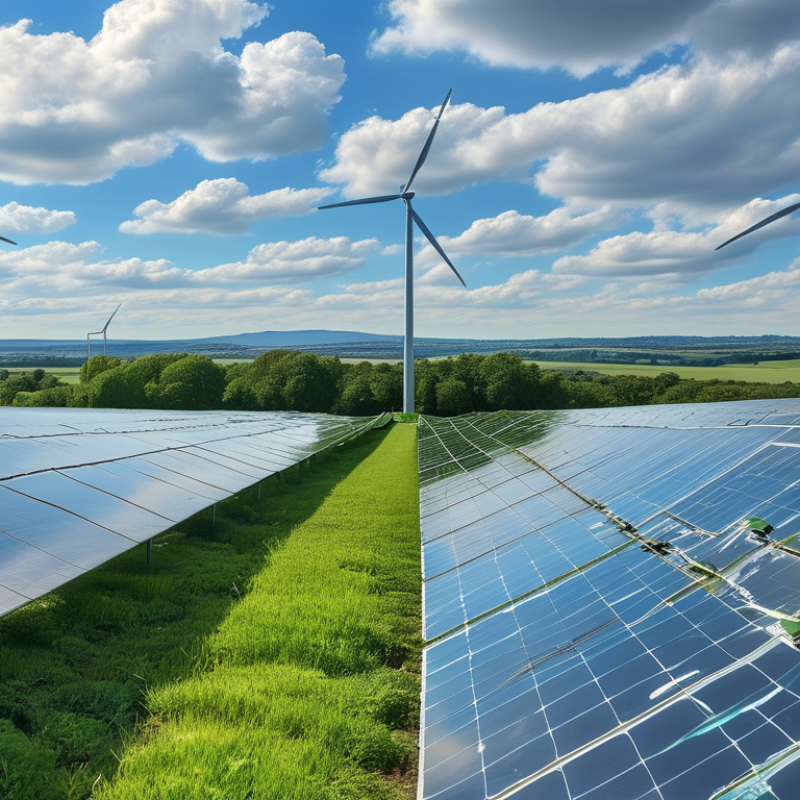
Top 5 Eco Energy Solutions Tips for Global Buyers
Global buyers face increasing pressure to adopt eco-friendly energy solutions. The International Energy Agency (IEA) reported that renewable energy sources could provide over 80% of the world’s energy by 2050 if we make significant changes now. This is essential, as many consumers prioritize sustainability when choosing products.
Investing in solar panels is a popular choice. According to a report by the National Renewable Energy Laboratory, solar energy systems could reduce electricity bills by up to 70%. However, installation costs can be steep. Buyers must assess long-term benefits versus short-term expenses. Understanding local incentives can help balance this equation.
Energy-efficient appliances also play a crucial role in reducing energy consumption. The U.S. Department of Energy noted that such appliances can save approximately $200 annually. Not all products are created equal, so consumers should research ratings carefully. Moreover, while initial investments may be high, the environmental impact and potential savings deserve serious consideration.
Top 5 Eco Energy Solutions Tips for Global Buyers
| Tip Number |
Eco Energy Solution |
Benefits |
Considerations |
| 1 |
Solar Energy |
Renewable, reduces electricity costs |
High initial installation cost |
| 2 |
Wind Energy |
Sustainable, minimal environmental impact |
Dependent on wind conditions |
| 3 |
Energy Storage Solutions |
Stabilizes energy supply, increases efficiency |
Can be costly and complex |
| 4 |
Biomass Energy |
Uses waste, reduces landfill |
Potential emissions if not managed properly |
| 5 |
Hydropower |
Reliable and consistent energy |
Can disrupt local ecosystems |
Understanding Global Energy Consumption Trends and Their Impact on the Environment
Global energy consumption trends show a critical shift towards sustainability. According to the International Energy Agency (IEA), renewable sources accounted for nearly 30% of global electricity generation in 2022. This rise highlights the urgent need for eco-friendly solutions. The environmental impact of traditional energy sources cannot be underestimated. Fossil fuels still dominate, contributing significantly to greenhouse gas emissions.
Implementing energy efficiency measures is crucial. For instance, buyers should consider energy-efficient appliances. They consume less power and reduce emissions. Another tip involves utilizing smart technology. Smart thermostats and energy management systems can optimize energy use, lowering costs and environmental impact.
Despite the advancements, challenges remain. Many regions lack access to clean energy solutions. The Global Renewable Energy Report indicates that over 3 billion people still rely on solid fuels for cooking and heating. Addressing this disparity is essential for global progress. Shifts must include not just technology, but also policies encouraging investments in renewable energy and infrastructure.
Evaluating Renewable Energy Sources: Solar, Wind, Hydro, and Biomass Options
When evaluating renewable energy sources, it's essential to consider solar, wind, hydro, and biomass options.
Solar energy is highly accessible and can be harnessed almost anywhere.
It converts sunlight into electrical energy using photovoltaic panels.
However, the efficiency of solar panels can vary depending on geographical location and weather conditions.
Not every area receives the same amount of sunlight, which presents challenges for widespread adoption.
Wind energy has significant potential. Wind turbines can produce electricity efficiently in open areas with consistent winds.
Yet, they may not be suitable for locations with low wind speeds.
Additionally, wind farms can face backlash from local communities due to noise and visual impact.
Balancing energy needs and community concerns is a delicate task.
Hydro energy involves harnessing water flow to generate electricity.
This method is reliable and can produce large amounts of power.
However, it often requires significant infrastructure investment and can disrupt local ecosystems.
Biomass is another promising option. It uses organic materials for energy but raises questions about sustainability and land use.
While these sources are cleaner than fossil fuels, evaluating their long-term environmental impacts is important.
Each renewable energy option has its strengths and challenges that require careful consideration.
Cost-Benefit Analysis of Implementing Eco-Friendly Energy Solutions
The cost-benefit analysis of adopting eco-friendly energy solutions reveals both challenges and opportunities. Implementing renewable energy sources like solar or wind can require significant initial capital. However, the long-term savings on energy bills can be substantial. For example, a typical solar panel installation can halve energy costs over its lifetime. The environmental benefits also cannot be overlooked; reduced carbon footprints contribute to a healthier planet.
Despite the advantages, some buyers still hesitate. The technology can change rapidly, leading to concerns about obsolescence. Additionally, maintenance costs occasionally catch buyers off guard. It’s crucial to consider the return on investment over time. Analyzing local energy prices and incentives can provide clarity. This empowers buyers to make informed decisions.
Investing in eco-friendly solutions promotes sustainability but requires careful evaluation. We must also consider the potential risk of fluctuating policies surrounding renewable energy incentives. For those new to eco-friendly options, conducting thorough research can illuminate hidden costs and operational challenges. The landscape of green energy is evolving, and staying informed is vital.
Cost-Benefit Analysis of Eco-Friendly Energy Solutions
Technological Innovations Driving the Future of Sustainable Energy Solutions
Technological innovations play a crucial role in shaping sustainable energy solutions. A recent report indicates that the global renewable energy market is expected to exceed $1.5 trillion by 2025. This growth is fueled by advancements in solar, wind, and battery technologies. For instance, solar photovoltaic efficiency has improved significantly over the past decade, reaching up to 23% in some models. This efficiency boost allows for greater energy production in smaller spaces.
Moreover, wind energy has become increasingly competitive. Offshore wind farms can now produce energy at unprecedented low costs. The Global Wind Energy Council states that the average cost of onshore wind energy dropped by 50% from 2009 to 2020. However, challenges remain. Energy storage solutions must evolve to manage intermittency in renewable sources. Current battery technologies can only store energy for limited periods, which highlights an area needing further research and investment.
Companies and countries must collaborate to support innovation. Grants and subsidies for research in sustainable technologies could accelerate progress. However, reliance on government support might not yield consistent results. A balance between public and private funding is essential to drive real change in the energy sector.
Conclusion
The article "Top 5 Eco Energy Solutions Tips for Global Buyers" emphasizes the importance of adopting sustainable practices in energy consumption. It begins with an exploration of global energy consumption trends and their environmental impact, highlighting the urgent need for eco energy solutions. The discussion then shifts to evaluating various renewable energy sources, such as solar, wind, hydro, and biomass, showcasing their potential benefits.
Additionally, a cost-benefit analysis of implementing eco-friendly energy solutions provides valuable insights for buyers considering a transition to greener options. The article also delves into technological innovations that are shaping the future of sustainable energy, alongside an assessment of government policies and incentives that support eco energy adoption. Overall, it serves as a comprehensive guide for global buyers aiming to make informed choices in the pursuit of a more sustainable future.