Eco Energies

Top 10 Types of Solar Electricity Systems for Global Buyers

Choosing a solar electricity system is not simply a matter of comparing panel prices. Buyers must match technology with climate, building design, grid reliability, budget, and daily energy demand. A rooftop grid-tied array may suit a city home, while an off-grid system needs batteries, backup generation, and careful load planning. Small details matter.

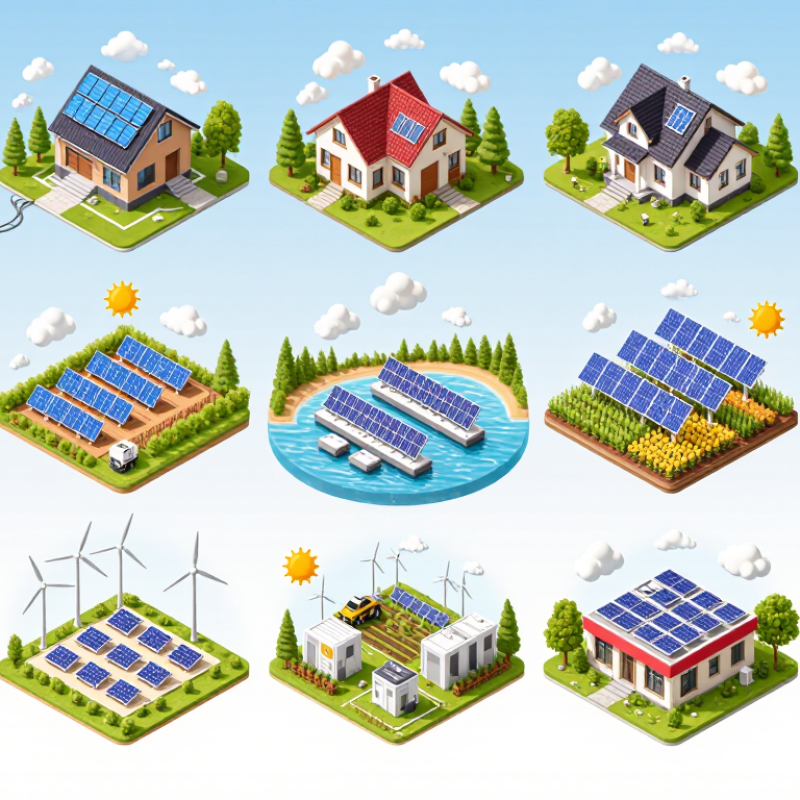
This guide examines ten common system types for global buyers, including grid-tied, off-grid, hybrid, portable, community, floating, agrivoltaic, microgrid, solar-plus-storage, and building-integrated systems. Each option has practical strengths and uncomfortable limitations. For example, batteries improve resilience but add weight, replacement costs, and recycling concerns. Floating solar can save land, yet water access, anchoring, and maintenance require specialist experience.

Reliable decisions should combine manufacturer data, installer assessments, independent testing, and local electrical requirements. International standards can guide quality, but they do not replace site-specific engineering. A shaded roof, salty coastal air, or dusty rural road can change expected performance significantly. Real projects rarely perform exactly like brochures suggest.

No system is perfect. I may favor flexibility too much.

The aim is practical comparison, not a universal recommendation. Readers can use this overview to ask sharper questions about warranties, safety protection, battery chemistry, monitoring, maintenance, and long-term costs. A lower purchase price may hide weak service support. A technically advanced design may be unnecessary for a modest household. Careful selection begins with honest information about how electricity is produced, stored, used, and maintained.
Top 10 Types of Solar Electricity Systems for Global Buyers

Solar Electricity Systems: Core Concepts and Classification Criteria

Solar electricity systems convert sunlight into direct current, then inverters produce usable alternating current. Their core design connects generation, conversion, distribution, storage, and protection. Classification should begin with the system’s relationship to the grid. Grid-tied systems export surplus electricity, while off-grid systems serve isolated loads. Hybrid systems combine grid access, batteries, and backup controls. Check the load. A cabin, factory, and village require different control strategies.

Installation and scale create another useful classification. Rooftop systems use existing buildings but may face shade, weak structures, or limited maintenance access. Ground-mounted systems offer easier orientation and cleaning, yet need suitable land. Carport systems create electricity above parking areas. Building-integrated systems replace parts of a façade or roof. Community solar allows several users to share one larger installation. Portable systems support temporary loads, such as field lighting or emergency communication. Solar water-pumping systems match energy production with daytime agricultural demand.

Storage is a separate criterion, not always a system type. Batteries can shift midday generation into evening use, but temperature and replacement planning matter. A practical assessment checks local sunlight, peak demand, cable distance, inverter capacity, safety devices, and applicable electrical codes. Certified installation and documented testing improve reliability. No classification is perfect. A rooftop project can be grid-tied, hybrid, and battery-backed at once. That overlap is easy to miss when buyers compare product labels instead of operating conditions.

Grid-Connected Solar Systems for Residential and Commercial Use

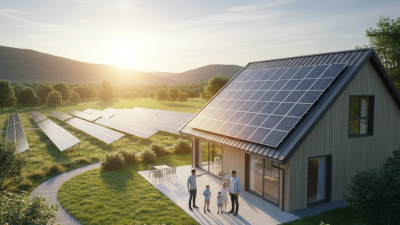
Grid-connected solar systems serve homes, offices, warehouses, and factories. They generate electricity on-site, then exchange surplus power with the utility grid. A rooftop array, inverter, protection devices, and a bidirectional meter form the core system. During sunny hours, panels may run an air conditioner, pump, or production line directly. At night, the property imports electricity from the grid. Battery storage is optional, not automatic.

The market is already substantial. IRENA’s Renewable Capacity Statistics 2024 recorded 1,419 GW of global solar capacity at the end of 2023. The IEA PVPS Trends 2024 report also described nearly 400 GW of new solar additions in 2023. These figures explain strong demand from residential and commercial buyers. Yet scale does not remove design risk. A 10-kilowatt rooftop system may perform poorly if shading, roof orientation, or daytime demand is misunderstood. Simple payback can mislead.

Professional planning starts with twelve months of electricity bills and a site inspection. Engineers should check roof loading, cable routes, voltage quality, export limits, and local interconnection rules. Anti-islanding protection matters. Standard grid-tied systems normally shut down during outages, unless approved backup equipment creates a safe microgrid. Commercial buyers should compare load profiles, demand charges, maintenance access, and inverter replacement periods. The weakest assumption is often perfect sunshine. Clouds, dust, heat, and curtailment reduce actual output. A conservative yield model is less attractive, but more reliable.

Top 10 Types of Solar Electricity Systems for Global Buyers - Grid-Connected Solar Systems for Residential and Commercial Use

No. System Type Typical Capacity Primary Application Grid-Connection Configuration Battery Storage Key Advantages Important Considerations
1 Residential Rooftop String-Inverter System 3–15 kWp Detached houses and small apartment buildings PV array, DC isolator, string inverter, AC protection and bidirectional utility meter Optional; commonly 5–20 kWh for load shifting and backup Cost-effective, simple architecture and easy integration with net-metering or self-consumption programs String output can be reduced by partial shading; local voltage and export limits must be checked
2 Residential Microinverter System 2–15 kWp Homes with multiple roof orientations or partial shading One microinverter per module or small module group, followed by AC trunk cabling and grid protection Optional; AC- or DC-coupled storage may be added depending on the design Module-level monitoring, flexible design and improved performance under uneven conditions Higher equipment count and installation cost; rooftop electronics require suitable thermal protection
3 Commercial Rooftop String-Inverter System 30 kWp–1 MWp Warehouses, offices, retail buildings and factories Multiple three-phase string inverters connected to a main low-voltage or medium-voltage switchboard Optional; often sized for demand management rather than full-site backup Uses existing roof area, reduces daytime electricity purchases and supports on-site consumption Roof loading, fire access, waterproofing, transformer capacity and utility interconnection need assessment
4 Commercial Rooftop Central-Inverter System 500 kWp–5 MWp Large industrial roofs, logistics centers and multi-building sites High-voltage DC collection feeding one or more central inverters and a dedicated transformer Usually separate from the PV inverter; selected when peak shaving or ancillary services are required Efficient for large, uniform arrays and centralized maintenance A single inverter outage can affect a large block of generation; cable routing and DC safety are critical
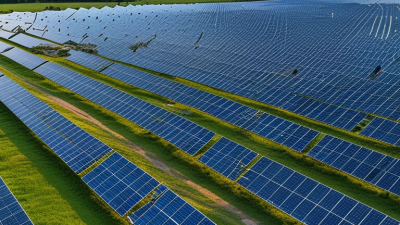
5 Ground-Mounted Grid-Connected Solar Farm 1–100+ MWp Utility-scale electricity generation and long-term power purchase agreements PV blocks, inverter stations, step-up transformers, medium-voltage collection and grid substation Optional; typically added for energy shifting, ramp control or grid services Scalable, efficient operation and easier maintenance than densely packed rooftop systems Requires land, permitting, geotechnical work, transmission access and environmental assessment
6 Solar Carport and Parking-Canopy System 50 kWp–5 MWp Commercial parking areas, transit facilities and fleet depots Grid-tied string or central inverters connected to the building or site distribution system Optional; can be coordinated with electric-vehicle charging infrastructure Generates power without using additional ground area and provides shade and weather protection Steel foundations, drainage, vehicle clearance, wind loading and higher structural costs must be considered
7 Building-Integrated Photovoltaic System 5 kWp–1 MWp Facades, skylights, curtain walls and solar roofing materials PV elements form part of the building envelope and connect through approved inverter and protection equipment Optional; generally designed as a separate electrical package Combines building function with electricity generation and can improve architectural integration Requires early coordination among architects, structural engineers, electricians and fire-safety specialists
8 Agrivoltaic Grid-Connected System 100 kWp–10 MWp Farmland, grazing areas, greenhouses and horticultural production Elevated or spaced PV structures connected through string or central inverters to the local grid Optional; storage may support irrigation, cooling or agricultural loads Allows dual land use and may provide shade or reduced wind exposure for selected crops Crop compatibility, machinery access, water management, structural height and local land-use rules are essential
9 Floating Solar Photovoltaic System 1 MWp–100+ MWp Reservoirs, quarry lakes, irrigation ponds and industrial water bodies Floating PV array, water-resistant DC equipment, shore-based inverters and grid substation Optional; commonly evaluated where output smoothing or hybrid operation is needed Preserves land and may reduce water evaporation in suitable sites Anchoring, wave motion, water-level variation, corrosion, ecology and electrical safety require specialist design
10 Community Solar and Shared Grid-Connected System 500 kWp–20 MWp Multiple households, small businesses, public facilities and customers without suitable roofs A centralized PV plant exports electricity to the distribution grid while subscribers receive bill credits or allocated energy Optional; storage may improve output scheduling and local grid support Expands access to solar generation and can serve many customers from one professionally operated site Program rules, subscriber contracts, credit allocation, local utility tariffs and interconnection limits vary by jurisdiction
Capacity is expressed in kilowatt-peak (kWp) or megawatt-peak (MWp), referring to the rated direct-current capacity of the photovoltaic array. Actual system sizing depends on solar resource, electricity demand, roof or land conditions, local grid codes, permitting requirements and utility interconnection rules.

Off-Grid and Stand-Alone Solar Systems for Remote Applications

Off-grid solar electricity systems serve places where utility lines are absent, unreliable, or too costly to extend. A remote cabin may need power for lights, radios, and phone charging. A health post requires steadier electricity for refrigeration, communication, and evening treatment. Stand-alone systems combine solar modules, charge controllers, batteries, protection devices, and inverters for AC equipment. The design must reflect actual demand, not an optimistic estimate.

A practical project begins with a load inventory measured in watt-hours. Record each device, operating time, starting surge, and seasonal use. Then assess sunlight, shade, dust, temperature, roof area, and transport access. Battery capacity should cover cloudy periods without excessive discharge. Lithium batteries can reduce weight, while other chemistries may suit limited budgets or colder locations. Every choice involves a compromise.

Remote systems need simple maintenance. Place batteries in a ventilated, protected enclosure, keep cables short, and label each isolator. Add fuses, surge protection, and a clear shutdown procedure. In dusty villages, panels may need cleaning after strong winds. Designs sometimes fail because future loads were overlooked. A second freezer, water pump, or communication terminal can quickly change the energy balance. Leave room for careful expansion.

Hybrid Solar Systems with Storage and Backup Power Sources

Top 10 Types of Solar Electricity Systems for Global Buyers

Hybrid solar systems combine photovoltaic panels, batteries, and a backup source such as a generator or utility grid. They support homes, farms, clinics, and small commercial sites where outages can disrupt essential loads. According to IRENA’s Renewable Capacity Statistics 2024, global renewable capacity grew by 473 gigawatts in 2023. Solar contributed approximately 346 gigawatts. This rapid growth is increasing demand for flexible power systems.

A well-designed hybrid system prioritizes critical circuits, including refrigeration, lighting, pumps, and communications. Battery capacity should reflect nighttime demand, outage duration, temperature, and expected future loads. The IEA’s Batteries and Secure Energy Transitions report states that global battery storage additions more than doubled in 2023, reaching about 42 gigawatts. That progress improves resilience, but battery replacement costs still require careful financial planning.

Weather still wins. Cloudy weeks can expose weak designs. Backup generators need safe ventilation, automatic transfer controls, and regular testing. Solar resource assessments should use local irradiation data rather than simple regional averages. Buyers should also verify inverter compatibility, battery safety certification, maintenance support, and warranty conditions. Field experience shows that oversized systems are not always better; poor load estimates can waste capital and shorten battery life. The National Renewable Energy Laboratory recommends scenario-based modeling for uncertain demand, yet many projects still rely on optimistic assumptions. That deserves review before procurement.

Comparing the Top 10 Systems by Cost, Performance, and Use Case

Top 10 Types of Solar Electricity Systems for Global Buyers

Comparing the Top 10 Systems by Cost, Performance, and Use Case

Solar system selection depends on electricity demand, sunlight, land, and backup needs. Grid-tied rooftop systems usually offer the lowest installed cost. They perform well in sunny homes and small offices, but they stop during grid outages unless backup equipment is added. Off-grid photovoltaic systems with batteries cost more. They suit remote cabins, farms, and clinics where grid access is unreliable. Hybrid systems combine grid power, solar panels, and batteries. Their performance is flexible, although battery replacement can raise long-term costs.

Utility-scale fixed-tilt arrays reduce maintenance through simple structures. They fit large, low-cost land projects. Single-axis tracking systems can produce more energy by following the sun. However, motors, controls, and maintenance increase project costs. Floating solar uses reservoirs or industrial ponds. It saves land and may reduce water evaporation, but anchoring and corrosion require careful engineering. Agrivoltaic systems share land with crops. They can protect plants from harsh sunlight, yet farming operations may become more complicated.

Building-integrated photovoltaics replace parts of roofs or façades. Their appearance is strong, but custom design often makes them expensive. Portable solar generators provide useful electricity for field work, emergency lighting, and small appliances. Their output is limited. Community solar allows several users to share one larger installation, helping renters and households without suitable roofs. Costs can be moderate, depending on local rules and subscription terms. In practice, quoted performance is not guaranteed; dust, heat, shading, and battery aging often reduce real output. A shaded panel can change the calculation quickly. Reliable buyers should compare measured production data, warranties, maintenance plans, and local installer experience before choosing.

This comparison uses indicative global 2024–2025 installed-cost ranges and typical annual specific yields. Costs are shown in USD per kWp and exclude financing, taxes, and exceptional grid-connection work. Actual results vary with solar resource, system size, storage duration, land conditions, and local regulations.