Best Solar Energy Systems in China for Global Buyers?
As the demand for renewable energy grows, China's solar energy systems have caught global attention. Industry expert Dr. Li Wei states, "China's solar energy systems are setting the benchmark for efficiency and innovation." This rise in popularity is driven by the country's rapid advancements in technology and manufacturing capacity.
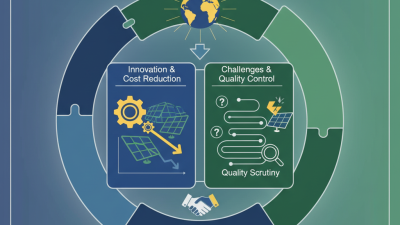
China stands out in the solar market with its diverse range of solar energy systems. These systems offer various options, catering to different needs and environments. From residential installations to large-scale solar farms, businesses and homeowners can access reliable energy solutions. Despite the impressive growth, challenges remain. Quality control and customer support are areas where companies must improve.
The increasing competition in the solar industry encourages continuous improvements. Buyers seeking solar energy systems should consider the reputation and reliability of manufacturers. Researching options and understanding the nuances of solar technology will be crucial. In this evolving landscape, informed choices can make a significant impact on energy sustainability and efficiency.
Overview of Solar Energy Market in China
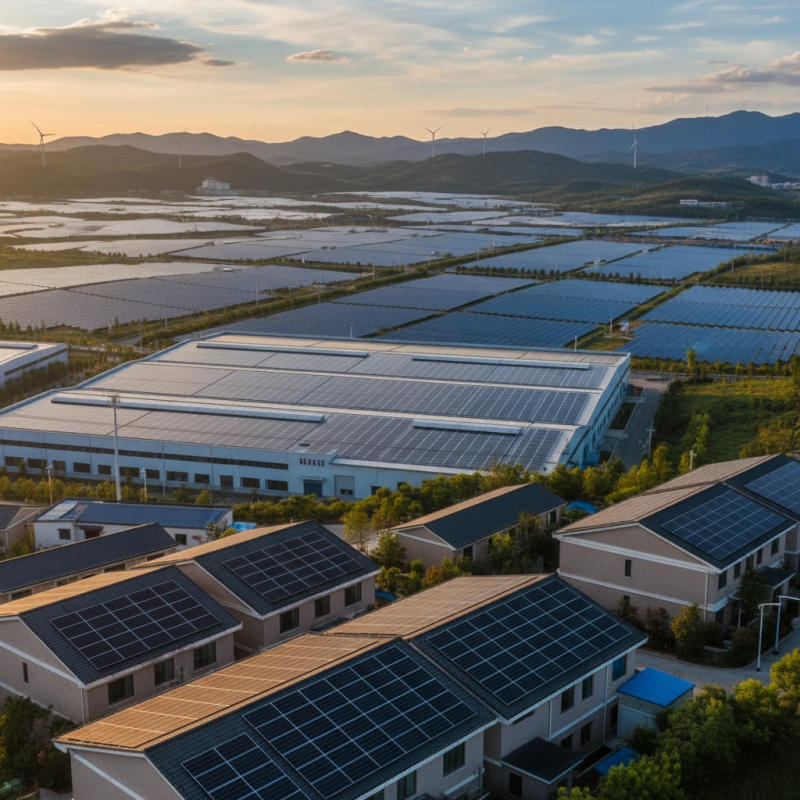
China has emerged as a leader in the solar energy market. In 2022, the country installed over 87 GW of solar capacity, making up more than 50% of the global total. This rapid growth reflects China's strong commitment to renewable energy and environmental sustainability. The government has implemented various policies to support the solar sector.
However, challenges persist. The market faces issues related to overcapacity and fluctuating demand. In addition, quality control remains a concern, as not all products meet international standards. According to a recent report from the International Energy Agency, about 40% of solar panels produced may not meet the required longevity and efficiency benchmarks.
Despite these challenges, China's exports of solar products are on the rise. In 2021, solar product exports reached over $20 billion. As global buyers seek reliable and cost-effective solar solutions, China's market continues to attract interest. Nevertheless, buyers must conduct due diligence to ensure they select quality systems that align with international standards.
Key Manufacturers and Brands of Solar Energy Systems in China
In recent years, China has emerged as a dominant player in the solar energy market. The country accounts for over 35% of global solar panel production, according to the International Energy Agency. Key manufacturers in China have developed advanced technologies, enhancing the efficiency of solar systems significantly. With increasing investments in innovation, solar energy systems have become more accessible to global buyers, promising cost-effective solutions.
Several prominent brands have shaped the industry landscape, offering a wide range of solar products. They provide panels that boast efficiency ratings of over 20%, making them highly competitive internationally. Reports suggest that the leading developers also focus on sustainability, ensuring their products meet stringent environmental standards. However, challenges like quality inconsistency across suppliers warrant careful market research.
Tips: Always research manufacturer certifications and warranty conditions before making a purchase. A thorough due diligence process can save costs and ensure quality. Quality control should not be overlooked, as not all products are created equal. Consider aligning with suppliers that have a proven track record for reliability.
Types of Solar Energy Systems Available for Global Buyers
Solar energy systems have become increasingly popular among global buyers. Various types are available, adapting to different needs and preferences. Two primary categories include photovoltaic (PV) systems and solar thermal systems. According to the International Energy Agency (IEA), global solar PV capacity reached over 900 GW in 2022, showcasing considerable growth.
PV systems convert sunlight directly into electricity using solar panels. They are prevalent in residential and commercial sectors. In contrast, solar thermal systems utilize sunlight to generate heat for water and space heating. These systems are particularly effective in regions with high sunlight exposure. Reports indicate that the solar thermal market is expected to grow significantly, reaching an estimated 670 GW by 2027.
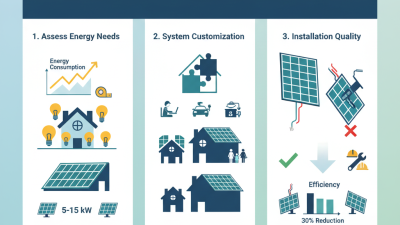
When selecting solar energy systems, buyers need to consider installation costs, system efficiency, and local regulations. The average installation cost in regions like Europe is around $1,500 to $3,000 per kW, requiring careful budget planning. Additionally, factors like warranty periods and maintenance services vary widely. Inadequate research may lead to suboptimal system choices or unexpected expenses. Making informed decisions is crucial for achieving long-term benefits.
Evaluation Criteria for Selecting Solar Energy Systems
When selecting solar energy systems in China, buyers should consider several evaluation criteria. First, system efficiency is crucial. High efficiency means more energy production in less space. Buyers should assess the performance ratios and degradation rates of panels. This assessment involves understanding how much energy a system can produce over its lifetime.
Additionally, installation costs play a significant role. Comparing installation fees from different providers can reveal hidden costs. Transparency in pricing is essential for making informed decisions. Service reliability also matters. Buyers need to evaluate after-sales services and warranties offered by suppliers.
Quality certifications can indicate reliability. Buyers should look for systems that meet international standards. Local regulations and compliance should not be overlooked either. Not all solar systems work well in every region due to climate variations. Proper research can prevent future issues, like underperformance or maintenance challenges.
Trends and Future Prospects for Solar Energy in China
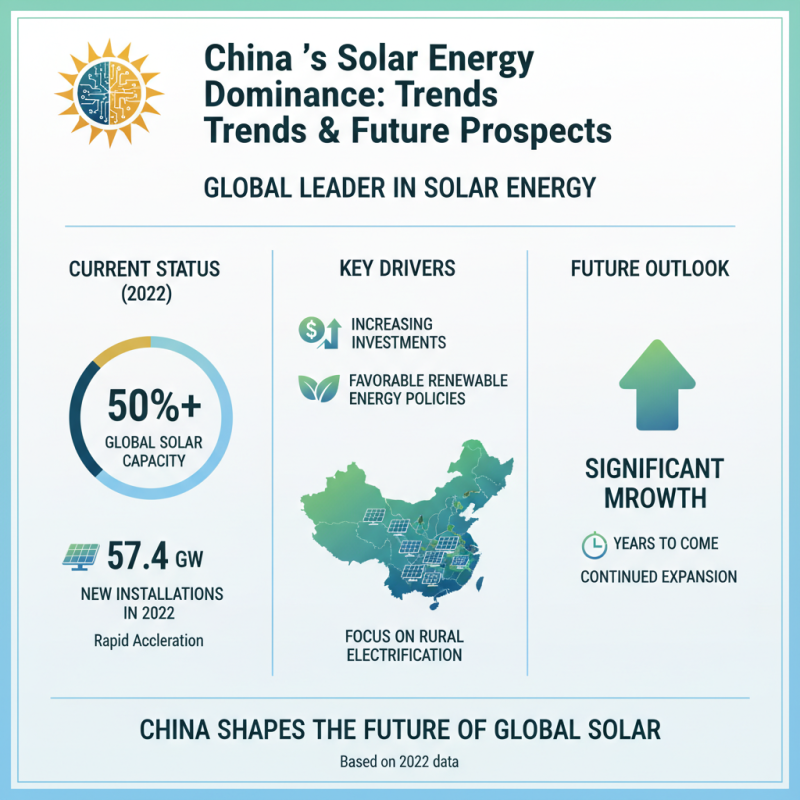
China has become a global leader in solar energy systems. By 2022, it accounted for over 50% of the world's solar capacity. The country installed about 57.4 gigawatts (GW) of solar power in that year alone, highlighting a rapid acceleration in adoption. With increasing investments, the solar market is set for significant growth in the coming years. Renewable energy policies continue to drive this expansion, particularly in rural areas.
Future prospects for solar energy in China look promising but complex. Data from the International Energy Agency (IEA) indicates solar capacity could reach around 1,600 GW by 2030. However, challenges remain. Grid integration and energy storage solutions need to catch up with generating capacity. Additionally, the quality of panels varies. Not all manufacturers meet the stringent requirements for longevity and performance. This presents a risk for buyers looking to invest.
China's commitment to clean energy is evident. Government policies favor solar energy, yet the sector faces hurdles. Environmental concerns around silicon extraction and waste management persist. As China continues to expand its solar infrastructure, careful monitoring will be essential. Stakeholders must weigh the potential and pitfalls of this rapidly evolving market.