Top 10 Benefits of Solar for Business in 2026?
In 2026, the landscape for "solar for business" continues to evolve. Companies are increasingly recognizing the multitude of benefits that come with adopting solar energy. Industry expert Dr. Emily Carter emphasizes this shift, stating, “Solar power transforms not just energy use but also business culture.” Many businesses have found that investing in solar solutions enhances their sustainability profile.
Solar power significantly reduces operational costs. Businesses can save on electricity bills, allowing for reinvestment in other critical areas. Moreover, solar energy can provide businesses with energy independence, mitigating the risks associated with fluctuating energy prices. However, the initial investment can be daunting for some companies, raising concerns about financial strain.
As we explore the top 10 benefits of solar for business, it’s essential to consider both the impressive advantages and the challenges that may arise. Companies must weigh the long-term gains against potential short-term hurdles. Each business situation is unique, and careful reflection on these aspects will lead to more informed decisions.

Advantages of Solar Energy Adoption for Businesses in 2026
In 2026, businesses adopting solar energy will find numerous advantages that extend beyond cost savings. The U.S. Department of Energy projects that solar energy installations could reduce operating costs by up to 30%. This significant reduction can drastically improve profit margins for companies. For small to medium enterprises, the initial investment in solar technology can be recuperated in as little as five years.
Furthermore, solar energy enhances a company’s reputation. A survey by the Solar Energy Industries Association noted that 70% of consumers prefer businesses using renewable energy. This preference can lead to increased customer loyalty. On the other hand, businesses not adopting solar may risk losing market competitiveness.
However, not all solar installations operate flawlessly. Some companies face challenges with integrating solar systems into existing infrastructure. Inconsistent weather patterns can also affect energy production. Therefore, businesses must carefully evaluate their specific needs. Understanding these complexities ensures a smoother transition to solar energy. Embracing solar technology in 2026 will thus require not just commitment but also strategic planning and adaptability.
Top 10 Benefits of Solar for Business in 2026
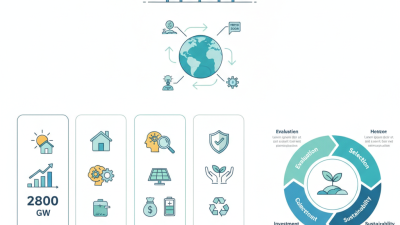
This chart illustrates the top benefits of solar energy adoption for businesses in 2026, highlighting cost savings, environmental impact, energy independence, and more.
Cost Savings Potential: Financial Benefits of Going Solar
Businesses looking to improve their bottom line will find solar energy offers considerable financial benefits. As energy costs rise, solar power provides a stable alternative. By investing in solar panels, companies can reduce their energy bills significantly. On average, businesses save about 75% on their electricity costs after switching to solar. This is a crucial consideration, especially for small or medium-sized enterprises.
There is also a remarkable incentive structure in place. Many governments offer tax credits and grants for solar investments, lessening the initial financial burden. These incentives can cover a significant portion of the installation costs. Additionally, with financing options available, many businesses find that they can reach net-zero energy expenses faster than traditional energy sources could allow.
However, transitioning to solar is not without challenges. Installation can disrupt daily operations if not carefully planned. Moreover, maintaining solar systems requires attention and occasional upgrades. Businesses need to weigh these factors against the long-term savings they anticipate. The landscape of solar energy is evolving, and staying informed will help organizations in making the best decisions for their financial futures.
Environmental Impact: Reducing Carbon Footprint with Solar Power
As businesses increasingly prioritize sustainability, solar power emerges as a key solution. Solar energy significantly reduces carbon footprints, proving beneficial for the environment. According to a 2022 report by the International Energy Agency, solar power can cut carbon emissions by up to 80% in certain sectors. This shift not only addresses climate change but also enhances corporate reputation and stakeholder engagement.
Adopting solar energy requires careful planning. Choosing the right system can optimize efficiency. A well-designed solar installation can save companies substantial amounts on energy costs. According to Renewables 2023, businesses could save up to 70% on electricity over 25 years. However, businesses must reflect on potential upfront costs and maintenance needs. Investments in training staff to maximize the benefits of solar systems can also yield significant gains.
Tips for successful solar implementation include conducting thorough energy audits. Identifying peak energy usage helps in selecting appropriate solar capacity. Collaborate with experienced professionals to ensure installation meets local regulations. Evaluate potential financing options to balance initial expenditures with long-term savings. This consideration leads to a more informed decision-making process and a stronger commitment to sustainability.
Energy Independence: How Solar Enhances Business Resilience
In today's uncertain energy landscape, businesses face constant pressure to adapt. Solar power emerges as a key player in achieving energy independence. Companies that invest in solar infrastructure can significantly reduce their reliance on fluctuating fossil fuel markets. By harnessing sunlight, businesses can generate their own electricity, creating a buffer against energy price volatility. This resilience is crucial for maintaining operational stability.
Implementing solar energy systems also promotes sustainability. As customers increasingly prioritize eco-conscious practices, businesses with solar solutions gain a competitive edge. However, transitioning to solar requires careful planning. Initial costs can be significant, and organizations may struggle with the intricacies of installation. It's essential for businesses to conduct thorough research and consult experts to address potential hurdles effectively.
Ultimately, solar energy represents a powerful tool for business resilience. Companies can not only protect themselves from energy crises but also contribute to a healthier planet. As they navigate this transition, organizations must be prepared for challenges and stay committed to their goals. The journey towards energy independence is not entirely smooth, but the rewards can be transformative.
Government Incentives: Navigating Benefits for Solar Investments
Government incentives play a crucial role in promoting solar investments for businesses. In 2026, various programs are expected to assist companies in accessing funding for solar projects. These incentives can significantly reduce upfront costs, making solar energy more viable for many organizations. Tax credits, grants, and rebates are examples that can lighten financial burdens.
Tips for navigating these incentives include understanding eligibility criteria. Each program may have different requirements, based on size and location. Consulting with local energy offices can provide insights on available incentives. Businesses should also keep track of changes in solar policies. This ensures they don’t miss out on potential savings.
Additionally, collaborating with energy consultants can help businesses integrate solar solutions more effectively. These experts can help identify the most suitable incentives for your specific project. Early planning is essential to maximize benefits. The landscape of incentives can be complex, but the rewards of going solar often justify the effort.
Top 10 Benefits of Solar for Business in 2026
| Benefit |
Description |
Estimated Savings (%) |
Government Incentives ($) |
| Reduced Energy Costs |
Lower monthly electricity bills due to solar energy use. |
20-50% |
10,000 |
| Tax Incentives |
Federal tax credits for solar investments. |
Up to 26% |
50,000 |
| Increased Property Value |
Property values tend to increase with solar installations. |
10-15% |
20,000 |
| Energy Independence |
Reduced reliance on external energy sources. |
Varies |
15,000 |
| Sustainability Reputation |
Enhanced brand image by promoting sustainability. |
N/A |
N/A |
| Energy Efficiency |
Improved energy efficiency through modern systems. |
20-30% |
5,000 |
| Job Creation |
Support local economies through solar jobs. |
N/A |
N/A |
| Flexible Financing Options |
Various financing avenues for solar projects. |
N/A |
Varies |
| Net Metering |
Sell excess energy back to the grid. |
Potentially 100% |
7,500 |
| Long-Term Investment |
Reliable return on investment over time. |
N/A |
N/A |
Conclusion
In 2026, the adoption of solar for business presents numerous benefits that can significantly enhance operational efficiency and sustainability. Key advantages include substantial cost savings through reduced energy bills and various government incentives that make solar investments more accessible. Businesses can also benefit from increased energy independence, which bolsters resilience against fluctuations in energy prices and supply disruptions.
Furthermore, the environmental impact of utilizing solar power cannot be overstated, as it plays a crucial role in reducing the carbon footprint of businesses. Technological advancements in solar efficiency continue to improve energy output, making solar for business not only a viable choice but an essential strategy for long-term success and sustainability in an increasingly eco-conscious market.