Top 10 Benefits of Solar Energy Systems for Global Buyers?
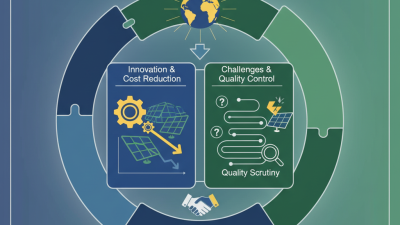
As global buyers increasingly seek sustainable solutions, the solar energy system shines brightly. This technology harnesses the sun's power, transforming it into a clean energy source. The transition to solar energy offers numerous advantages that resonate across different markets and communities.
Financial savings stand out among these benefits. By investing in a solar energy system, buyers can significantly reduce their electricity bills. Furthermore, the potential for government incentives adds to the appeal. However, it's important to consider installation costs and maintenance needs. These factors may vary based on location and system type.
Environmental benefits also play a crucial role. A solar energy system reduces carbon footprints and promotes energy independence. Yet, challenges remain, such as reliance on sunlight and energy storage limitations. Overall, exploring the advantages of solar energy systems reveals a pathway to a greener future.

Advantages of Solar Energy for Residential Consumers
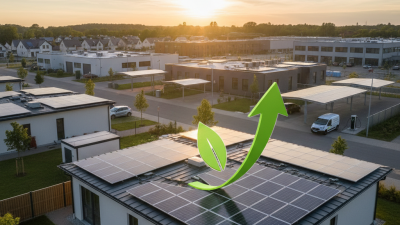
Solar energy systems are increasingly popular among residential consumers. They offer significant benefits that enhance the quality of life and promote sustainability. According to the U.S. Department of Energy, homes with solar panels can reduce their electricity bills by up to 70%. This contributes to substantial long-term savings, particularly for families on fixed incomes.
Moreover, solar energy enhances property value. A study by the National Renewable Energy Laboratory found that homes equipped with solar systems sell for an average of 4% more than those without. This increase in property value reflects the growing demand for sustainable living options. Additionally, solar installations can provide homeowners with a layer of energy independence. With energy prices fluctuating frequently, having a personal energy source helps stabilize costs.
However, some consumers still hesitate. Initial installation costs can be daunting, even with potential rebates and incentives. Understanding the financial implications fully is crucial for potential buyers. Not all homes are suitable for solar, based on orientation or shading. Professional assessments can help to clarify these challenges. Embracing solar energy means navigating both the benefits and the complexities involved.
Cost Savings: Reducing Electricity Bills with Solar Power
Solar energy systems provide significant cost savings for homeowners and businesses. By harnessing sunlight, individuals can reduce their reliance on traditional electricity sources. This shift leads to lower electricity bills, allowing funds to be allocated to other essential areas. Many users report savings of 30% to 50% on their monthly energy costs. Over time, these savings can add up, making solar investments worthwhile.
Beyond immediate savings, solar power systems contribute to long-term financial stability. Fixed energy costs are an enticing prospect. Users can protect themselves from fluctuating utility rates. However, it’s essential to consider installation costs and maintenance. Some may find these expenses daunting initially. Analyzing local incentives or rebates can help ease the financial burden.
Investing in solar also promotes sustainability. It offsets carbon emissions, making a positive impact on the environment. Many buyers appreciate the dual benefits of saving money and contributing to a greener planet. However, potential buyers must research the efficiency of available technologies. Understanding that not all solar panels are created equal can lead to more informed decisions.
Environmental Impact: How Solar Energy Reduces Carbon Footprint
Solar energy systems play a critical role in reducing the carbon footprint for individuals and businesses. According to the U.S. Department of Energy, solar power can cut greenhouse gas emissions by approximately 90% compared to fossil fuels. This substantial reduction is essential in the fight against climate change, leading to cleaner air and a healthier planet.
Solar panels convert sunlight into electricity without emitting harmful pollutants. When homeowners install solar systems, they often generate more energy than they consume. This surplus power can be fed back into the grid, further decreasing reliance on fossil fuels. A report by the International Renewable Energy Agency states that widespread solar adoption could reduce global CO2 emissions by up to 4.5 billion tons annually by 2030.
The benefits are not without challenges. Unequal access to solar technology remains a concern. In many regions, the upfront cost can deter adoption. While incentives exist, not everyone can take advantage. This gap needs addressing for a fairer transition to renewable energy. Despite these hurdles, the environmental impact of solar energy systems is undeniable and vital for sustainable development.
Energy Independence: Benefits of Utilizing Solar for Energy Security
Energy independence is a significant advantage of solar energy systems. By harnessing sunlight, individuals and businesses can reduce reliance on traditional energy sources. For many, this creates a sense of security. The fluctuations in fossil fuel prices can lead to unpredictable expenses. Solar systems, however, offer more stable long-term costs.
Adopting solar technology can also mitigate the impact of energy shortages. In regions prone to blackouts, solar energy acts as a reliable backup. When properly installed, solar panels can store energy for later use. This means homes and businesses can remain powered during outages. Moreover, solar systems can be scaled up according to needs, providing flexibility.
Challenges exist, though. Not everyone has access to the necessary space or capital for installation. Additionally, the efficiency of solar panels can vary based on location and weather. As we explore solar energy, it's essential to consider these factors. Each situation is unique, and careful planning is necessary to maximize benefits. Embracing solar is a journey, not just a choice.
Incentives and Tax Benefits for Solar Energy System Purchasers
Incentives and tax benefits play a crucial role for buyers considering solar energy systems. According to the Solar Energy Industries Association (SEIA), over 90% of residential solar installations in the U.S. benefit from federal tax credits. This incentive can cover up to 26% of installation costs, making solar systems more accessible for homeowners.
State and local governments also offer a variety of incentives. Many states provide rebates or sales tax exemptions for solar purchases. For instance, California and New York have been pioneers in promoting solar through financial incentives. These initiatives have contributed to a significant growth rate of 167% in solar installations from 2018 to 2022 in these regions. However, potential buyers need to evaluate the expiration dates of these incentives since policies can change.
Tax benefits can encourage eco-friendly choices, yet financial return calculations can be complex. Some buyers may underestimate installation costs or overestimate savings. A comprehensive assessment using local utility rates and solar potential is essential. This detailed approach helps clarify long-term commitments. Buyers should work with trusted professionals to navigate these incentives effectively.