
How to Choose Solar Energy for Home Use?
Choosing solar energy for home use starts with your roof, electricity habits, and local conditions. Solar panels can reduce grid purchases, but they are not an instant solution for every household. A south-facing roof often helps in the northern hemisphere, yet shade, roof direction, and weather still matter. Watch the roof. A nearby tree can cast moving shadows across panels during valuable afternoon hours. This guide explains how to compare system size, battery storage, installation quality, maintenance, and total cost.
Amory Lovins, a respected energy researcher and efficiency expert, once said, “The sun doesn’t send a bill.” His simple statement captures solar power’s appeal, but a careful decision requires more than enthusiasm. Review twelve months of electricity bills, rather than one unusually expensive month. Ask installers for production estimates based on local sunlight. Check panel degradation rates, inverter coverage, workmanship warranties, and possible replacement costs. Get several written proposals. Small print matters.
Reliable planning also includes permits, utility connection rules, roof age, and emergency access. A qualified local installer should explain these details clearly. Battery storage may provide useful backup during outages, but it can significantly increase the purchase price. The best system is not always the largest one. It should match your home’s daily demand and future plans. No forecast is perfect. Trees grow, electricity rates change, and equipment can fail. That uncertainty deserves honest discussion. By examining both benefits and limitations, homeowners can make a more practical, informed choice about solar energy for home use.
Understanding How Residential Solar Energy Works
How to Choose Solar Energy for Home Use?
Understanding How Residential Solar Energy Works
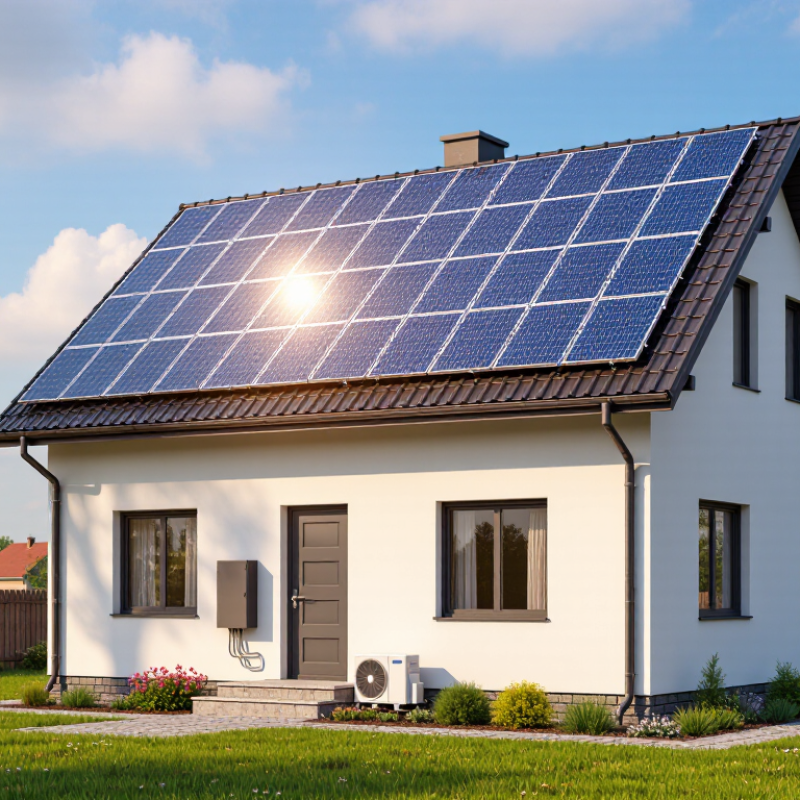
Residential solar energy begins on the roof, where photovoltaic cells absorb sunlight. These cells produce direct current electricity. Most household appliances use alternating current instead. An inverter changes the electricity into a usable form for lights, refrigerators, and computers. Simple in practice.
During a home assessment, roof direction and shading matter more than appearance. A broad roof may produce less power if nearby trees block morning sunlight. Seasonal shadows can also reduce output. A professional should examine roof age, structural strength, wiring, and the electrical panel before recommending a system. Local permits and connection rules also affect the design.
Electricity usually serves the home first. Extra power may flow into the public grid, depending on local regulations and the approved meter arrangement. A battery can store some daytime energy for evening use, but its capacity, location, and safety controls require careful planning. Solar panels still produce less during storms, winter afternoons, and heavy dust. Cleaning needs vary with rainfall and roof access.
My early assumption was that a larger system always meant better savings. That was wrong. Oversizing can increase costs without matching household demand. Reviewing twelve months of electricity bills gives a more realistic starting point. Even then, estimates remain estimates, especially when family routines change. A qualified installer should explain expected production, equipment warranties, maintenance access, and performance limits in plain language.
How to Choose Solar Energy for Home Use? - Understanding How Residential Solar Energy Works
| Selection Dimension | Typical Residential Range or Requirement | How It Works | Why It Matters | Practical Selection Guidance |
|---|---|---|---|---|
| Household Electricity Use | Many homes use approximately 6,000–12,000 kWh of electricity per year, but actual demand varies by climate, home size, heating equipment, and occupancy. | Solar panels generate electricity during daylight hours. The system offsets electricity purchased from the grid or supplies household loads directly. | Annual electricity consumption is the starting point for estimating the required solar capacity. | Review at least 12 months of utility bills and identify high-consumption appliances before sizing the system. |
| Solar System Capacity | Common residential systems are approximately 3–10 kilowatts (kW), with larger systems possible where roof space and local rules allow. | System capacity is the combined rated output of the solar panels under standard test conditions. | A larger system can produce more energy, but it may cost more and may exceed the home’s annual electricity demand. | Choose a capacity based on electricity use, available roof area, local solar conditions, and applicable grid-export limits. |
| Expected Annual Solar Production | Approximately 1,000–1,500 kWh per installed kW per year in many locations; the actual value depends on sunlight, orientation, shading, and system losses. | Solar production changes throughout the day and year. Inverters convert the panels’ direct current into alternating current for household use. | Production estimates help determine how much grid electricity the system can offset. | Use a location-specific solar assessment rather than relying only on a national average. |
| Roof Area | A typical residential solar panel is about 1.7–2.1 m². A 5 kW system may require roughly 25–35 m² of usable roof area, depending on panel efficiency and layout. | Panels are arranged on roof sections that receive sufficient sunlight and can support the mounting structure. | Chimneys, vents, skylights, roof edges, and required maintenance access can reduce usable area. | Confirm roof dimensions, structural condition, roof age, and obstruction locations before installation. |
| Roof Orientation and Tilt | In the Northern Hemisphere, south-facing roofs generally receive strong annual sunlight; east- and west-facing roofs can also be effective. In the Southern Hemisphere, north-facing roofs are generally favored. | The panels convert more sunlight when they have good exposure and limited shading during peak solar hours. | Orientation and tilt affect annual energy yield, although the best arrangement depends on latitude and local conditions. | Prioritize low shading and adequate sunlight exposure over a perfect compass direction. |
| Shading Impact | Partial shading from trees, buildings, or roof structures can reduce output and may affect multiple panels in the same electrical string. | When one part of an array receives less sunlight, the affected electrical circuit may produce less energy. | Shading can lower actual production below the initial estimate. | Request a shade analysis for different seasons and consider appropriate electrical design where shading cannot be avoided. |
| Inverter Type | Common configurations include a central string inverter, multiple power optimizers with a string inverter, or microinverters installed at individual panels. | The inverter changes direct-current electricity from the panels into alternating-current electricity used by household appliances and the grid. | Inverter design influences monitoring, performance under shade, installation complexity, and future maintenance. | For simple, unshaded roofs, a string-based design may be suitable. Complex or partially shaded roofs may benefit from panel-level control. |
| Battery Storage | Residential batteries commonly provide approximately 5–20 kWh of usable energy capacity. | The battery stores excess daytime solar electricity for use during the evening, at night, or during a power outage if backup capability is included. | Storage can increase self-consumption and provide backup power, but it adds cost and requires space and suitable electrical equipment. | Size the battery according to evening electricity use, backup priorities, outage duration, and local electricity pricing. |
| Grid Connection | Most residential systems remain connected to the utility grid unless designed as an off-grid system. | When solar production exceeds household demand, surplus electricity may flow to the grid where permitted. When production is insufficient, electricity is imported from the grid. | Grid connection improves reliability and reduces the amount of battery storage needed. | Check interconnection requirements, export limits, metering rules, and compensation arrangements before committing to a system size. |
| Self-Consumption | Self-consumption is the percentage of solar electricity used directly in the home rather than exported to the grid. | Running appliances during sunny hours increases direct use of solar generation. A battery can shift some energy to later periods. | Higher self-consumption can improve the value of solar where exported electricity receives limited compensation. | Schedule water heating, laundry, electric-vehicle charging, and other flexible loads during daylight when practical. |
| Panel Efficiency | Modern residential solar panels commonly have efficiencies of approximately 19%–23%. | Efficiency represents the percentage of sunlight converted into usable electrical power under specified test conditions. | Higher-efficiency panels produce more power from the same roof area, but efficiency alone does not determine total system value. | Compare total installed cost, expected energy yield, warranty terms, and available roof space—not just the efficiency percentage. |
| Performance Degradation | Solar panels generally lose a small amount of output each year. Many systems are designed to retain roughly 80%–90% of their initial capacity after 25–30 years. | Exposure to weather and normal material aging gradually reduces electrical output. | Long-term degradation affects lifetime energy production and financial estimates. | Use conservative production assumptions and review the performance warranty supplied with the equipment. |
| Roof Life and Maintenance | Solar systems often operate for 25 years or more, while roof coverings may require replacement sooner depending on material, age, and condition. | Panels and mounting equipment remain attached to the roof throughout their service life and may need to be removed for major roof work. | Installing solar on an aging roof can create additional removal and reinstallation costs. | Repair or replace a roof near the end of its expected service life before installing the solar array. |
| Safety and Permits | Residential solar installations normally require electrical inspection, structural review, and utility interconnection approval, subject to local regulations. | Permits and inspections verify that the system is securely mounted, electrically safe, and compatible with the grid. | Unapproved work may create safety risks, connection delays, insurance issues, or problems when selling the property. | Use qualified installers and confirm all required permits, inspections, and documentation before operation. |
| System Warranty Coverage | Panel product warranties commonly cover several decades, while inverter and installation warranties may have different durations. | Product warranties cover specified equipment defects; performance warranties address expected output over time. | Warranty terms influence long-term risk and potential replacement costs. | Compare coverage periods, exclusions, labor terms, transferability, and the process for making a claim. |
| Financial Evaluation | Important measures include upfront cost, annual bill savings, maintenance costs, incentives, payback period, and lifetime energy value. | Solar reduces purchased electricity, while the financial result depends on local tariffs, sunlight, system price, financing, and exported-energy compensation. | A system with the lowest purchase price is not always the system with the best long-term value. | Compare multiple proposals using the same assumptions for energy production, electricity-price changes, financing, and equipment replacement. |
| Best First Step | Obtain a site-specific assessment based on actual electricity bills and roof conditions. | The assessment combines energy use, solar resource, shading, roof area, electrical design, and local requirements. | Accurate inputs reduce the risk of oversizing, undersizing, or choosing unsuitable equipment. | Request a detailed proposal showing system capacity, estimated annual production, assumptions, equipment specifications, warranties, and total installed cost. |
Related Posts
-
What Are Energy Solutions and How Do They Work?
-

Unlock Your Home's Potential: A Simple Guide to Energy Audits and Savings
-
2026 Best Home Energy Audit Cost Guide for Global Buyers
-

2025 Top 5 Innovations in Solar Technology You Need to Know About
-

How to Perform an Energy Audit for Your Home Effectively?
-
Revolutionize Your Energy Bills with the Ultimate Home Energy Management System Guide