Best Solar Panels for Business Needs in China?
As businesses in China increasingly pivot towards sustainability, solar panels are becoming a vital investment. According to Dr. Li Wang, a leading expert in renewable energy, “Choosing the right solar panel for business is crucial for maximizing returns and reducing costs.” This statement underscores the growing importance of solar technology in the corporate world.
The market offers a variety of options, each with unique benefits and limitations. Selecting the best solar panel for business requires careful evaluation, as many businesses face challenges like initial costs and space constraints. A comprehensive understanding of your specific energy needs can help in making informed decisions. Common pitfalls include choosing low-cost panels that may underperform, impacting long-term savings.
Energy-efficient solar solutions contribute to a company's reputation while promoting environmental responsibility. However, not every business has the same needs. Tailoring solar solutions to fit unique operational requirements is essential. Moreover, considering future scalability is important. By reflecting on these aspects, businesses can better navigate the solar landscape.
Overview of Solar Panel Market in China for Businesses
The solar panel market in China has witnessed rapid growth in recent years. A report from the China Photovoltaic Industry Association reveals that the total installed solar capacity reached 250 gigawatts by the end of 2022. This surge reflects the increasing demand for renewable energy from businesses seeking sustainable solutions. Many companies are turning to solar panels not only for cost savings but also to enhance their environmental credentials.
Despite the promising outlook, challenges remain. The complexity of the installation process can pose hurdles for businesses. Moreover, the initial capital investment can be significant. According to a study by the National Renewable Energy Laboratory, the levelized cost of electricity (LCOE) from solar in China is around $0.05 to $0.07 per kilowatt-hour, making it competitive but still a consideration for budget-conscious enterprises.
Furthermore, the regulatory landscape continues to evolve. Local incentives vary significantly, adding to the uncertainty for businesses. Keeping abreast of these changes is crucial for making informed investment decisions. A proactive approach can ensure that businesses capitalize on the benefits of solar energy while navigating the complexities of the market.
Key Factors to Consider When Choosing Solar Panels for Business
Choosing the right solar panels for business needs in China requires careful consideration of several factors. Efficiency is key. Reports indicate that solar panels with higher efficiency ratings convert more sunlight into electricity. Panels rated above 20% efficiency are ideal for maximizing energy output, especially in urban areas with limited space.
Cost is another significant factor. A recent industry analysis shows that the average cost of solar panel installation in China is around 5.5 to 8.5 yuan per watt. However, businesses must weigh upfront costs against long-term savings. An investment can pay off within five to seven years through reduced electricity bills. Additionally, consider warranty length. A strong warranty indicates manufacturer confidence in the product's durability. Most reputable panels come with warranties ranging from 10 to 25 years.
Local regulations also play a role. Understanding governmental incentives and support can provide financial benefits. For instance, subsidies may lower installation costs. However, navigating these regulations can be complex. Businesses should conduct thorough research and possibly consult industry experts. Choosing solar panels is not just about immediate needs; it requires reflection on long-term sustainability and energy strategy.
Best Solar Panels for Business Needs in China
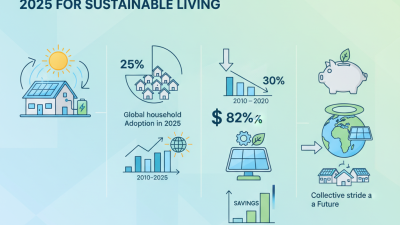
This chart illustrates essential characteristics of solar panels tailored for business needs, highlighting efficiency, cost, warranty, and temperature performance metrics.
Top Solar Panel Brands and Models for Commercial Use in China
In China, selecting the right solar panels for business is crucial. The market offers various brands and models, making the choice overwhelming. It's essential to evaluate efficiency, warranty, and service options. Commercial use often demands panels with higher durability and performance.
When exploring solar panel options, consider the power output per square meter. Some panels shine in low-light conditions. Others excel in high temperatures. Matching the specifications to local weather patterns can maximize energy harvest.
Tips: Investigate reviews from other businesses. Look into long-term support and service. Sometimes, the lowest upfront cost doesn't translate into better value. Pay attention to installation practices too. Quality installation can significantly impact performance.
Best Solar Panels for Business Needs in China
| Model |
Power Output (W) |
Efficiency (%) |
Warranty (Years) |
Price per Watt (USD) |
| Model A |
330 |
20.5 |
25 |
0.45 |
| Model B |
320 |
19.8 |
20 |
0.50 |
| Model C |
310 |
19.0 |
30 |
0.48 |
| Model D |
300 |
18.5 |
25 |
0.52 |
Cost Analysis and Return on Investment for Business Solar Panels
In recent years, businesses in China are increasingly considering solar panels. This trend is driven by the need to reduce energy costs and increase sustainability. Analyzing the costs involved is crucial for any business. Initial investments can be significant. However, the long-term savings on energy bills often make it worthwhile.
The return on investment for solar panels varies greatly. Factors like location and energy consumption play a key role. Some regions in China offer incentives. These can help offset the upfront costs. Businesses should carefully evaluate their energy needs and solar potential. Issues may arise, including installation challenges and a lack of understanding of maintenance requirements.
Data suggests that most businesses can recover their investment within a few years. However, businesses must remain vigilant. Regular monitoring of energy production is necessary. Fluctuations in energy prices may affect overall savings. Each business's situation is unique. Therefore, a tailored analysis is essential to ensure solar solutions meet specific needs.
Installation and Maintenance Considerations for Solar Energy Systems
Installing solar energy systems for business can be a rewarding yet complex venture. Proper planning and consideration during installation can impact overall efficiency. It's vital to assess roof suitability and sunlight exposure. Shadowing from nearby structures can reduce panel performance. Additionally, understanding local regulations and grid connection requirements is essential.
Tip: Evaluate site conditions before installation. Different locations may respond uniquely to solar technology. This assessment can guide you in choosing the right equipment and setup.
Maintenance is another critical aspect. Regular inspections help in identifying potential issues early. Clean panels can enhance energy capture. However, not all cleaning methods are suitable. Using harsh chemicals or high-pressure water can damage panels. It's often better to consult professionals for proper maintenance techniques.
Tip: Create a maintenance schedule. Regular check-ups ensure optimal performance. This can bring long-term benefits and increase the system's lifespan. Continuous evaluation and adjustments may also be necessary to keep up with
changing environmental conditions.