What are the Best Eco Energy Solutions for Global Buyers?
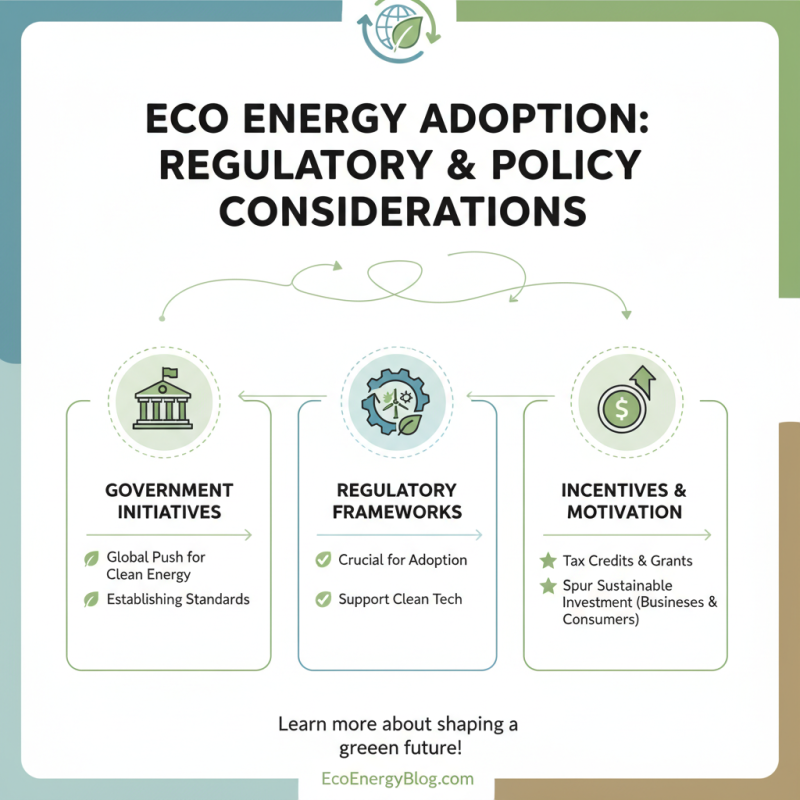
The demand for eco energy solutions has surged globally, driven by the urgency to combat climate change. According to the Global Renewable Energy Report 2023, renewable energies account for over 30% of global power generation. This shift reflects a growing awareness among consumers and businesses about sustainability. More countries are adopting eco-friendly technologies, seeking to reduce carbon footprints and enhance energy efficiency.
Industry expert Dr. Emily Harris highlights the potential of these solutions, stating, "Eco energy solutions are no longer a choice; they are a necessity for a sustainable future." Her insights underscore the need for innovation and investment in this sector. Companies are exploring solar, wind, and geothermal options for cleaner energy. However, challenges remain. Costs can be high, and infrastructure changes are often complex.
Transitioning to eco energy solutions isn't without its hurdles. The variability of renewable sources can lead to instability in energy supply. Yet, with proper planning and investment, the long-term benefits outweigh these concerns. As more global buyers recognize the importance of sustainable practices, the eco energy landscape will continue to evolve, offering new opportunities and challenges.

Understanding Eco Energy Solutions and Their Importance
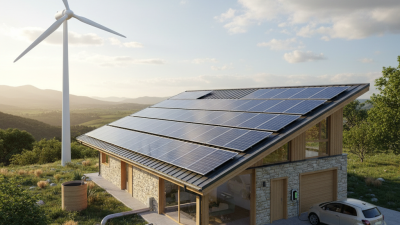
Eco energy solutions are integral to combating climate change and ensuring a sustainable future. These solutions encompass renewable energy sources like solar, wind, and biomass. Their importance stems from their ability to reduce greenhouse gas emissions and reliance on fossil fuels. These energy alternatives can be harnessed locally, which benefits communities and reduces energy costs over time.
Understanding the different types of eco energy solutions enhances informed choices. For instance, solar panels convert sunlight into electricity, while wind turbines generate power from wind. The installation of these technologies can initially be costly and complex. Many buyers may wonder about the efficiency and longevity of these systems. Investing in eco energy requires careful consideration of factors like local climate and energy needs.
Despite the challenges, the benefits are manifold. Eco solutions can significantly reduce environmental impact. They promote energy independence and create jobs in green sectors. However, the transition isn’t always smooth. Some regions may struggle with infrastructure or adoption rates. Evaluating success stories can provide valuable insights. Empowering communities through education about eco energy is essential for widespread acceptance.
Key Eco-Friendly Technologies for Sustainable Energy Generation
Sustainable energy generation is crucial in today's economy. As global buyers seek eco-friendly solutions, several technologies stand out. According to a 2021 report from the International Renewable Energy Agency (IRENA), renewable energy sources made up 82% of new electricity generation capacity. Solar energy, in particular, has rapidly become a leading solution. The global solar market is projected to grow to $223 billion by 2026, driven by decreasing costs and increased efficiency.
Wind energy has also shown significant promise. A report from the Global Wind Energy Council reveals that onshore and offshore wind installations are expected to reach over 1,900 GW by 2023. Offshore wind farms generate power even in low-wind conditions, offering reliability. However, challenges remain. Integrating wind energy into existing grids can be complex and costly, raising questions about long-term sustainability.
In addition to wind and solar, battery storage technologies are crucial. Energy storage systems allow us to harness renewable energy when demand is low. According to BloombergNEF, battery storage capacity is projected to exceed 1,000 GWh by 2030. Yet, sourcing materials for batteries poses ethical and environmental concerns. As this technology evolves, we must address these challenges to achieve truly sustainable solutions.
Evaluating Cost-Effectiveness and Efficiency of Eco Energy Solutions
In evaluating eco energy solutions, cost-effectiveness and efficiency are crucial factors. Solar power systems, for example, have become more affordable in recent years. This trend enables buyers to consider long-term benefits. Certain regions see high installation costs, yet the payoff in energy savings can be substantial.
Wind energy is another viable option. It often requires a significant upfront investment. However, as technology advances, operational costs decrease. Energy production consistency is worth noting, especially in wind-rich areas. Decisions can be challenging when comparing renewable sources.
Bioenergy offers unique advantages but faces scrutiny. It can be cost-effective depending on feedstock availability. Waste-to-energy plants represent potential but may raise environmental concerns. Understanding local conditions is essential for informed choices. Each solution presents a complex mix of benefits and drawbacks that require careful consideration.
Best Eco Energy Solutions Comparison
This chart compares the cost-effectiveness of various eco-friendly energy solutions, measured in USD per MWh. Solar power is the most cost-effective option, followed by hydropower, while geothermal energy tends to be more expensive. This analysis helps global buyers evaluate their options for sustainable energy investments.
Global Market Trends in Eco Energy Solutions for Buyers
The global market for eco energy solutions is rapidly evolving. According to a recent report by the International Renewable Energy Agency (IRENA), renewable energy capacity reached 2,799 gigawatts in 2021. This reflects a significant increase in global investments, with $303.5 billion funneled into renewables in 2020 alone. As buyers seek sustainable alternatives, solar and wind energy remain the top choices, accounting for nearly 90% of new capacity additions.
A key trend in the eco energy market is the rising demand for storage solutions. Battery storage systems are seeing exponential growth, driven by the need for grid stability and renewable integration. The Energy Storage Association reported that installed battery storage capacity in the U.S. surpassed 3,500 megawatts in 2022. However, challenges such as costs and supply chain limitations may affect accessibility for some buyers.
Another crucial aspect is the increasing importance of energy efficiency. According to the Global Energy Agency, energy efficiency measures could help reduce global energy demand by 12% by 2040. This shift presents an opportunity for buyers to invest in innovative technologies. Yet, many still lack knowledge of these solutions, pointing to the need for comprehensive education in the market. Buyers must navigate this complex landscape to leverage eco energy benefits fully.
What are the Best Eco Energy Solutions for Global Buyers?
| Eco Energy Solution |
Advantages |
Market Trends |
Leading Regions |
| Solar Energy |
Renewable, low operating cost, scalable |
Increasing adoption due to subsidies |
North America, Europe |
| Wind Energy |
Clean, sustainable, creates jobs |
Rapid growth in offshore installations |
Asia, North America |
| Hydropower |
Reliable, efficient, low emissions |
Stable growth, focus on small-scale projects |
Latin America, Asia |
| Geothermal Energy |
Sustainable, highly reliable, low land footprint |
Emerging technology, increasing investments |
Iceland, USA |
| Bioenergy |
Utilizes waste, reduces emissions |
Growing interest in circular economy |
Europe, North America |