Eco Energies

2026 Best Solar Panel Energy Systems for Global Buyers

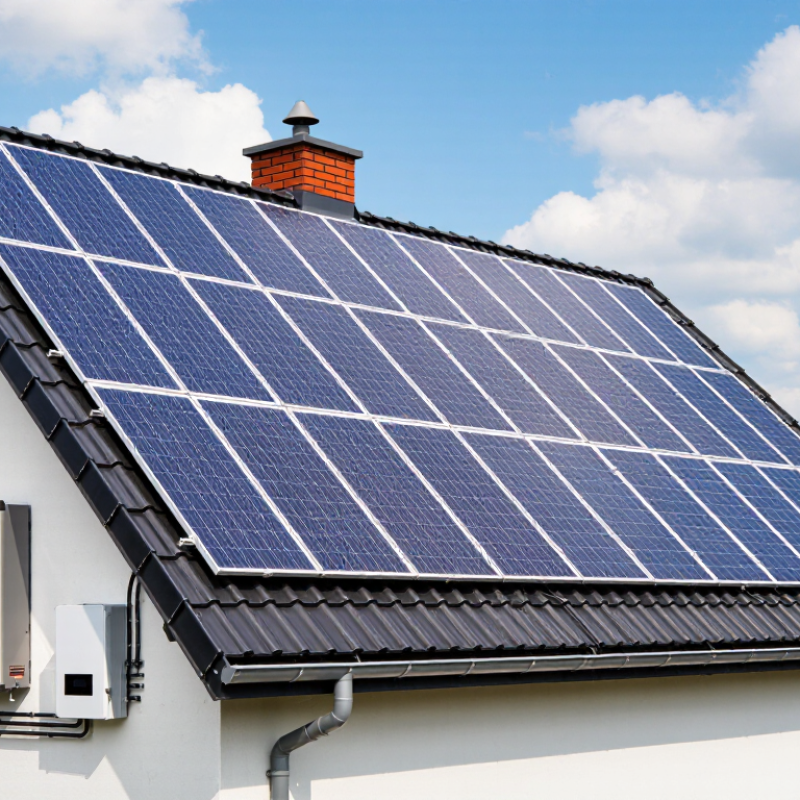
Solar buying in 2026 means comparing complete systems, not just panel wattage. A rooftop array must work with its inverter, mounting hardware, wiring, and—where useful—a battery. Climate and roof conditions matter. A system that performs well under clear skies may need different sizing in a cloudy region or a hot climate. Small details count, too: shade from a chimney can reduce output across part of an array.

The global market is expanding quickly. IRENA’s Renewable Capacity Statistics 2025 reports that solar capacity reached about 1,865 GW worldwide by the end of 2024, following roughly 452 GW of additions that year. That growth gives buyers more options, but it does not make every product a good fit. The International Energy Agency’s Global Energy Review 2025 also identifies solar PV as a major source of new electricity generation in 2024. These figures describe a fast-changing market, not a promise of savings for any individual home.

This guide to the best solar panel energy systems for global buyers compares panel performance, inverter compatibility, storage choices, warranties, and service availability. It also considers practical questions: Will the system fit the available roof space? Can replacement parts be sourced locally? What happens during a grid outage? No single system wins everywhere. Even a strong specification sheet can leave gaps, so buyers should verify local installation requirements and model-specific warranty terms before choosing.
2026 Best Solar Panel Energy Systems for Global Buyers

Solar Panel Energy Systems: Core Components and How They Work

A solar panel energy system begins with photovoltaic modules, which convert sunlight into direct-current electricity. Cells sit beneath tempered glass and a sealed backing, while an aluminum frame supports the panel.

On a roof, mounting rails hold modules above the surface and allow airflow. That gap matters. Heat can reduce output, and weak fixings may loosen in strong winds.

Cables carry electricity to an inverter, which changes DC power into the alternating current used by most buildings. In some systems, a charge controller manages battery charging; hybrid inverters may include this function.

Batteries store surplus energy for evening use or outages, but they add cost and require suitable ventilation and temperature control. Not always. A grid-connected system without storage may suit a home with reliable daytime use.

A meter and monitoring device track production, household consumption, and electricity sent to the grid. Installers also check roof shade, cable routes, and protective switches. A small chimney shadow can affect output more than expected.

Global buyers should compare system design with local sunlight, grid conditions, and climate, rather than panel wattage alone. These details are easy to overlook.

Solar Technologies and System Types Available in 2026

In 2026, solar choices still depend on the roof, climate, and local electricity supply. Monocrystalline panels suit many homes because they produce substantial power in limited space. Thin-film panels can be lighter and more flexible, but may need more area for the same output. Bifacial panels capture light from both sides, especially above bright surfaces such as pale gravel or snow. The extra yield varies with installation conditions. It is not automatic.

System design matters as much as panel technology. A grid-connected system sends surplus electricity to the utility network, where local rules determine how that energy is credited. A hybrid system combines grid access with batteries, offering backup during outages. An off-grid system stores energy and needs careful sizing for cloudy periods and seasonal demand. Batteries add cost and require a safe, well-ventilated installation. Details matter.

Buyers should compare expected annual production, inverter type, battery capacity, warranties, and service access—not just panel efficiency. A string inverter may work well on an unshaded roof, while module-level electronics can help where shade affects separate sections. Ask for estimates based on local weather data and actual roof orientation. Check that components meet relevant regional standards and that installers document commissioning. One uncomfortable point: forecasts are still forecasts. Dust, heat, shading, and changing household use can reduce real-world output. A slightly oversized system is not always the wiser purchase.

2026 Solar Panel Technologies: Typical Module Efficiency Ranges

Compare indicative efficiency ranges for widely available solar module technologies. Higher module efficiency can produce more power from limited roof space; real-world output also depends on location, system design, and installation conditions.

Ranges are indicative market-level estimates, not guarantees for individual products. Module efficiency is different from whole-system energy yield.

How Climate, Grid Access, and Local Rules Shape System Choice

A suitable solar energy system starts with the site, not a product list. In hot regions, high temperatures can reduce panel output, while dust may require more frequent cleaning. Coastal air can accelerate corrosion, so equipment materials and mounting hardware deserve close attention. In snowy areas, roof load, panel angle, and safe access for maintenance matter. Shading matters. A tree that seems harmless in the morning can cast a long shadow by afternoon.

Grid access changes the design. A home with reliable utility service may use a grid-connected system, subject to local connection rules. Where outages are common, battery storage can keep essential loads running, but sizing should reflect actual needs: lights, a refrigerator, or medical equipment. Remote properties may need a more independent setup and careful planning for cloudy periods. Batteries add cost and require a safe, suitable installation. Details vary.

Local rules influence permits, inspections, export limits, and payment for surplus electricity. These requirements can affect system size and payback, so buyers should confirm them with the relevant utility and local authorities before purchasing equipment. A qualified installer can assess roof condition, sun exposure, wiring, and expected consumption. Even good estimates miss things: a growing tree, a changed household routine, or a revised utility rate. That uncertainty is worth admitting when comparing proposals.

Key Performance and Cost Factors for Comparing Global Options

Comparing solar systems across regions starts with local sunlight, roof space, and temperature. A panel’s efficiency rating shows how much electricity it produces from a given area, but it does not predict a full year’s output. Heat can reduce production, while dust, shade, and seasonal cloud cover create further variation. Small site details matter.

Look beyond the purchase price. Compare the full installed cost, including mounting hardware, wiring, inverters, labor, and any battery storage. Ask for estimates using local weather data and realistic household consumption. A battery may help where evening use is high or grid supply is unreliable, but it adds cost and may not pay back quickly. Payback varies.

For global buyers, check product documentation, warranty terms, spare-part access, and the installer’s service capacity in the destination market. Shipping and customs can affect both delivery time and final cost. Also check that the system suits local grid conditions and installation practices. A low-cost quote may omit important components; even detailed estimates can miss future maintenance. Compare the assumptions behind each quote, not just its headline price.

Installation, Maintenance, and Long-Term Energy Storage Needs

For global buyers, a solar system should be planned around local weather, roof design, and daily electricity use. A site assessment can reveal weak roof sections, seasonal shade, or long cable routes before equipment arrives. Ask for expected output across different seasons, not just a peak-day estimate. Small details matter.

Battery storage needs careful sizing. Compare the hours of backup you want with the evening loads you actually use, such as lights, a refrigerator, or a well pump. Oversizing storage can add cost without solving a real need; undersizing it may leave essential appliances without power. In hot or dusty climates, ventilation and regular checks can help protect system performance. A shaded battery location is often preferable, if the site allows it.

Maintenance should include inspecting cables, mounting hardware, inverters, and battery readings at intervals recommended by qualified local technicians. Keep installation records and note changes in energy output; these make faults easier to investigate. Long-term storage needs also depend on temperature, operating settings, and periods of inactivity. Ask how the system should be monitored when the property is empty. Plans can be imperfect, especially where weather and household use change, so leave room to review and adjust them.