What is a Wheel Hub Bearing Unit and How Does It Work?
wheel hub bearing units play a crucial role in vehicle performance and safety. They bear the weight of the vehicle while allowing the wheels to spin freely. According to a recent report by Grand View Research, the global automotive bearing market is expected to reach $104 billion by 2027. This growth highlights the increasing importance of components like wheel hub bearing units in modern vehicles.
These units are essential in reducing friction between moving parts. In fact, they enhance overall fuel efficiency and contribute to a smoother ride. Data from MarketsandMarkets indicates that the demand for high-quality wheel hub bearing units is rising, driven by advances in manufacturing and material science. However, many consumers overlook their importance until failures occur.
Maintenance of wheel hub bearing units is often neglected, leading to higher repair costs. A study by J.D. Power found that vehicle owners frequently wait too long to address wear and tear. This oversight could compromise not just performance, but safety as well. Therefore, understanding how these units function is vital for every vehicle owner. While many factors affect their lifespan, being proactive about maintenance is essential for vehicle reliability.
What is a Wheel Hub Bearing Unit?
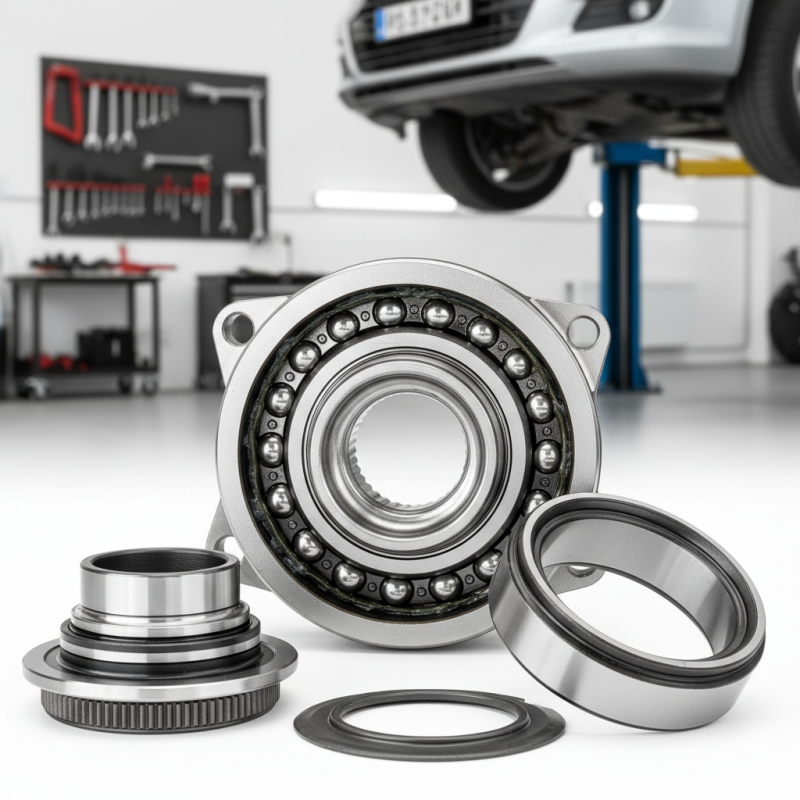
A wheel hub bearing unit is a critical component in vehicles. It connects the wheel to the axle. This unit contains bearings that allow smooth rotation of the wheel. Typically, it is located at the center of the wheel. The design is compact, which saves space and weight.
Many people overlook this part until it fails. A faulty wheel hub bearing can cause noise, vibration, and uneven tire wear. It can even compromise vehicle safety. Regular inspections are often neglected. Drivers should be aware of these issues. Signs like unusual noises can signal problems.
Failure to address these signs can lead to more significant damage. Repairing a wheel hub bearing unit might be complex. It requires specialized tools and knowledge. Understanding its role is essential for vehicle maintenance. Recognizing its importance can help prevent costly repairs down the road.
Key Components of a Wheel Hub Bearing Unit
A wheel hub bearing unit is essential for vehicle performance. It allows the wheels to spin smoothly while supporting the vehicle's weight. The unit comprises several key components, each playing a vital role.
One crucial part is the bearing itself. This round component contains rolling elements, either balls or rollers, that reduce friction. According to industry reports, the bearing's lifespan can significantly impact overall vehicle maintenance. Poor-quality bearings can lead to premature failure.
Another important element is the hub assembly. It connects the wheel to the axle, providing strength. The way these components fit together influences the unit's efficiency. A misaligned hub assembly can affect handling and increase tire wear. Many drivers overlook this aspect, not realizing it can lead to costly repairs.
How Wheel Hub Bearings Function in Vehicles
Wheel hub bearings play a crucial role in vehicle performance. They connect the wheel to the axle and enable smooth rotation. A typical wheel hub bearing unit often comes preassembled, which simplifies installation. According to the Automotive Aftermarket Industry Association, over 80% of vehicles use these preassembled units today. Their design minimizes friction and extends lifespan, but they can fail just like any component.
When a wheel hub bearing malfunctions, it can lead to serious issues. Vibrations and noise while driving may signal impending failure. A study by the Society of Automotive Engineers indicated that nearly 15% of vehicles experience hub bearing problems annually. Frequent inspections can mitigate risks, yet many vehicle owners overlook this maintenance step.
Understanding how these bearings function is vital. They support the weight of the vehicle and facilitate tire rotation. Most modern units use a sealed design, keeping contaminants out. However, if not regularly checked, moisture and dirt can build up. This may complicate performance and lead to premature wear. In the end, ignoring the signs can cost drivers significantly.
Wheel Hub Bearing Unit Functionality in Vehicles
Common Issues with Wheel Hub Bearing Units
Wheel hub bearing units are critical components in vehicle suspension systems. They help to facilitate smooth wheel rotation while supporting the vehicle’s weight. However, these units can encounter various issues, impacting performance and safety.
One common problem is wear and tear over time. Bearings can degrade due to constant friction, leading to noise or wobbling in the wheels. Drivers might hear a grinding sound. This often indicates that the bearing needs replacement. Additionally, moisture can enter the hub, causing rust. This can lead to further damage and costly repairs.
Another issue arises from improper installation. If a wheel hub bearing unit is not fitted correctly, it may fail prematurely. Misalignment can cause uneven wear, leading to vibrations and instability. Regular inspection can help identify these problems early. Awareness is crucial; ignoring symptoms can result in serious safety risks on the road. Sometimes, these issues are overlooked until they cause significant trouble. So, staying attentive to unusual noises or handling changes is important for every driver.
What is a Wheel Hub Bearing Unit and How Does It Work? - Common Issues with Wheel Hub Bearing Units
| Issue | Description | Symptoms | Repair Method |
| Noise | Unusual sound coming from the wheel area indicating potential bearing failure. | Grinding, whining, or howling noise while driving. | Inspect and replace the bearing if necessary. |
| Play in Wheel | Excessive play in the wheel can signal worn bearings. | Looseness felt when rocking the wheel back and forth. | Check for wear and replace the hub assembly if play exceeds tolerance. |
| Heat | Overheating can be a sign of a failing bearing unit. | Hot wheel or burning smell during or after driving. | Allow cooling, inspect the hub; replace if damaged. |
| Vibration | Vibration felt in the steering wheel or cabin may indicate a problem. | Shaking or oscillations at certain speeds. | Check the wheel balance, inspect and diagnose the bearing unit. |
| Seals Leak | Worn out seals can lead to grease leakage and bearing contamination. | Visible grease on the wheel or on the hub assembly. | Replace the seals and clean or replace the bearing as needed. |
Maintenance and Replacement of Wheel Hub Bearings
Wheel hub bearings play a vital role in vehicle performance. They support the weight of the vehicle and allow the wheels to rotate smoothly. Over time, these bearings can wear down due to various factors, including road conditions and driving habits. Regular maintenance is crucial to ensure the longevity of wheel hub bearing units.
Inspecting your wheel hub bearings should be done periodically. Look for signs of wear, such as unusual noises or vibrations. If you notice anything unusual, it may be time for a replacement. Ignoring these signs can lead to serious issues. Some drivers may find it hard to detect early problems. A routine checkup can save both time and money.
When replacing wheel hub bearings, quality matters. Use reliable parts to ensure safety. Proper installation is key, but it's easy to make mistakes if you're unsure. Always follow guidelines closely. Seek professional help if needed. Neglecting these areas can result in more significant vehicle issues down the line.
