Top Tips for Choosing the Best EV Charger Car Options?
As electric vehicles (EVs) gain popularity, choosing the right Ev Charger Car options becomes crucial. Industry expert, Dr. Jane Thompson, states, “Selecting the right charger enhances both convenience and efficiency.” This highlights the significance of understanding different charging options available today.
Many drivers may not realize that not all chargers are created equal. Various types exist, from Level 1 to Level 3, each with unique benefits and limitations. For example, Level 1 chargers are slower and often better suited for home use. Yet, they may not satisfy those needing quicker charging solutions.
It's essential to reflect on your driving habits and charging needs. Evaluate whether daily commutes align with the charger speed. A poor choice may lead to frustration down the road. Finding the best EV charger car option requires thoughtful consideration. Matching the charger with your lifestyle ultimately ensures a better ownership experience.
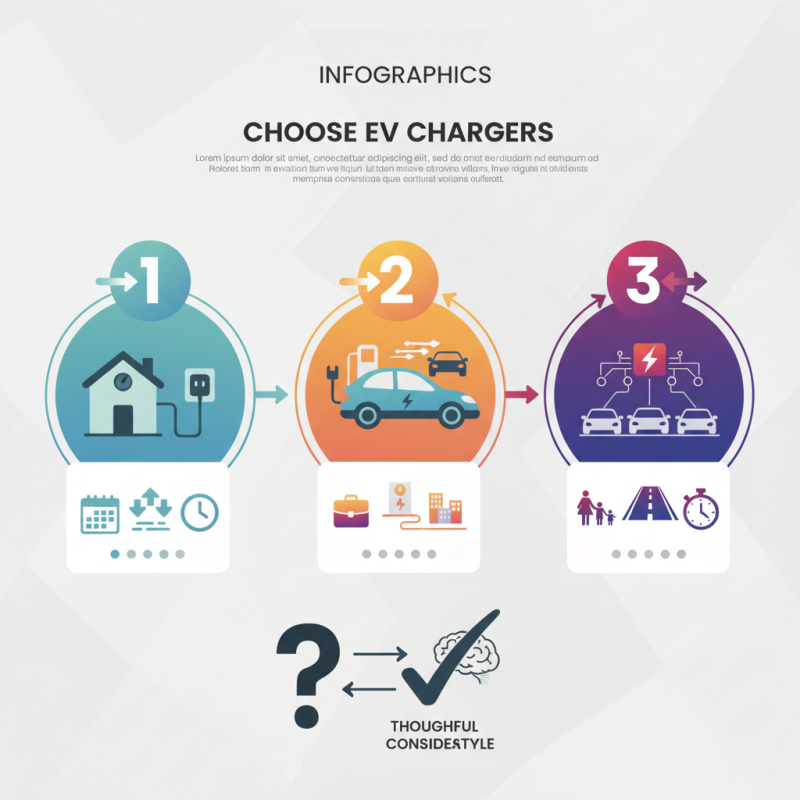
Understanding Different Types of EV Chargers Available in the Market
When choosing an EV charger, understanding the different types available is crucial. There are three main charger categories: Level 1, Level 2, and DC Fast Charging. Level 1 chargers use a standard household outlet and are convenient, but they can take a long time to charge a vehicle. A full charge might take up to 12 hours. Level 2 chargers are faster, often used at homes or public spaces. They require a dedicated circuit and can charge most EVs in about 4 to 8 hours.
DC Fast Chargers offer rapid charging, powering up an EV in 30 minutes or less. However, accessibility is limited. A report from the Department of Energy highlights that there are about 41,000 public charging stations across the U.S., but only a fraction are fast chargers. This creates a potential issue for drivers in remote areas. It’s vital to consider charging speed and location when choosing your charger type.
Some chargers are not compatible with all EV models. A study by EVBox indicated that 30% of EV owners faced compatibility issues with their chargers. These challenges highlight the need for careful research before committing to a charger. Balancing your charging needs with the available infrastructure can be challenging, yet it’s essential for a smooth EV experience.
Top Tips for Choosing the Best EV Charger Car Options
| Charger Type | Charging Speed | Power Level (kW) | Best For | Typical Cost |
| Level 1 Charger | Slow | 1.4 kW | Home Charging | $300 - $600 |
| Level 2 Charger | Moderate | 3.3 - 19.2 kW | Home/Commercial Charging | $500 - $1,200 |
| DC Fast Charger | Fast | 24 - 400 kW | Public Charging Stations | $10,000 - $40,000 |
| Wireless Charger | Moderate | Up to 11 kW | Home/Convenience | $2,000 - $3,500 |
Key Factors to Consider When Choosing an EV Charger
When choosing the best EV charger, several key factors come into play. First, consider the charging speed. Different chargers provide varying levels of power output. A Level 2 charger typically offers a faster charge compared to a Level 1 charger. Think about your driving habits. If you frequently need a quick top-up, a high-output charger is vital.
Next, look into connector types. Not all EVs use the same plug. Some might require an adapter, which adds complexity to your setup. This can be frustrating. Ensure compatibility with your vehicle to avoid inconvenience later. While some chargers offer smart features, like scheduling and monitoring, these may be unnecessary for everyone. Balance technology and ease of use based on your preferences.
Finally, installation costs are crucial. These can vary significantly depending on the location and electrical work needed. Unexpected expenses can arise. Research your options thoroughly. You might find a simple installation saves time and money in the long run. Remember, each factor shapes your overall charging experience. Choose wisely.
Comparing Charging Speeds: Level 1 vs Level 2 vs DC Fast Chargers
When choosing an EV charger, it's crucial to understand the differences in charging speeds. Level 1 chargers use a standard household outlet. They are the slowest option, typically providing 3-5 miles of range per hour. This method is convenient for overnight charging, but it may not meet everyone's needs, especially for those with longer commutes.
Level 2 chargers are faster and more efficient. They can deliver 10-60 miles of range per hour. These chargers usually require a dedicated circuit. They are ideal for home installations or public charging stations. However, you may face higher installation costs and electrical upgrades. This option is better for daily drivers who need a quick turnaround.
DC Fast Chargers take charging to the next level. They can add 60-100 miles of range in just 20 minutes. However, they are less common and primarily found at highway stations. While convenient for long trips, their higher costs may deter some users. It’s essential to evaluate your specific needs and usage patterns when making your decision. Sometimes, you might realize that you need a mix of these options to truly fit your lifestyle.
Assessing Installation Requirements and Location for Your EV Charger
Choosing the right location for your EV charger is crucial. Consider accessibility and convenience. A well-placed charger makes your life easier. Think about where you park most often. Is it a driveway or a garage? Proximity to your home’s power supply is essential too. Cables should reach safely, without any tension.
Installation requirements can vary widely. Check local regulations for any restrictions. Do you need a permit? Ensure that your electrical system meets the charger’s needs. Working with a professional can help clarify these details. They might point out potential challenges. Avoid overlooking factors like weather exposure. Keeping the charger safe from elements can extend its lifespan.
Planning for future growth is important. Will you add more EVs in the coming years? Think about upgrading your power supply if necessary. It might seem excessive now, but it can save time and money later. Not every step is straightforward. Each choice can lead to new questions. Take time to reflect on what works best for your situation.
Evaluating Costs and Budget Considerations for EV Charging Solutions
When evaluating the costs and budget for EV charging solutions, start by considering installation expenses. Hiring an electrician can add to your budget. Often, installation requires special equipment or upgrades to your electrical system. Think about your home layout as well; this can influence installation complexity.
Next, examine the operating costs of different EV chargers. Some chargers consume more energy than others. Look into local energy rates, as they can fluctuate significantly. Calculating your potential charging costs is crucial. A simple formula can help estimate monthly expenses. Yet, keep in mind that these are just estimates and can vary based on charging frequency and habits.
Don’t overlook potential incentives or rebates offered for EV charger installations. Research local programs that may help offset costs. It’s a bit of work, but the savings could be substantial. However, be cautious of time-sensitive offers and evolving regulations. In some cases, waiting may lead to better technologies or pricing options down the road. A thoughtful evaluation of all these factors can lead to a more informed choice in your EV charging solution.
