Top 10 Solar Solutions for Homeowners in 2026?
In 2026, the landscape of solar solutions for homeowners is evolving rapidly. Experts like Dr. Emily Reyes, a leading authority in renewable energy, emphasize the importance of innovation in this sector. "Solar solutions must not only be efficient but also accessible," she states, highlighting a critical challenge for homeowners.
The top ten solar solutions available today showcase advances that range from improved panel efficiency to energy storage options. These technologies can significantly reduce energy bills and increase home value. However, many homeowners still face barriers in financing and understanding their options. The market is crowded, and choosing the right solution can feel overwhelming.
Despite the benefits, not every solution fits every home. Homeowners must assess their unique situations carefully. Reflection is necessary to ensure that any investment in solar solutions aligns with their lifestyle and energy needs. With thoughtful consideration, homeowners can harness the sun's power effectively, making a positive impact on their finances and the environment.
Overview of Solar Energy Trends for Homeowners in 2026
In 2026, homeowners will experience significant changes in solar energy trends. The demand for sustainable energy is increasing rapidly. Many people are seeking ways to cut costs and reduce their carbon footprint. Solar power provides a viable solution. It's becoming more affordable and accessible for everyday homeowners.
New innovations are emerging in solar technology. For instance, solar panels are now lighter and more efficient. Some systems integrate seamlessly into roofs. This is a game changer for aesthetics. Homeowners can enjoy clean energy without sacrificing style. However, installation costs can still present challenges. It's important to weigh immediate expenses against long-term savings.
Battery storage technology is also improving. Homeowners can store energy generated during the day for later use. This capability enhances energy independence. Yet, some face difficulties in selecting the right system for their needs. Understanding energy consumption remains crucial. Overall, as solar energy evolves, homeowners must adapt and rethink their energy strategies.
Key Features to Consider When Choosing Solar Solutions
When choosing solar solutions for your home, start with the type of panels. Photovoltaic panels are common. They convert sunlight into electricity. Consider the efficiency ratings. Higher efficiency means more power generation. Look for warranties too. A good warranty can protect your investment.
Inverters are another key feature. They convert the DC electricity from the panels into usable AC power. Look for models that offer smart technology. This can optimize energy use. Battery storage is also important. It allows you to store excess energy for later use. However, battery systems are costly. Their lifespan and performance can vary.
Lastly, don’t overlook installation. Poor installation can negate benefits. Check reviews, but also be wary of overly positive feedback. Asking questions is crucial. It’s okay to reflect on choices. Consider your long-term energy needs. This will help you make a more informed decision.
Top 10 Solar Solutions for Homeowners in 2026
| Solution Name |
Efficiency (%) |
Warranty (Years) |
Cost ($/W) |
Key Feature |
| High-Efficiency Solar Panel |
22.0 |
25 |
2.50 |
Best for limited space |
| Bifacial Solar Panel |
21.5 |
30 |
2.70 |
Captures sunlight from both sides |
| Thin-Film Solar Panel |
18.0 |
10 |
1.80 |
Lightweight and flexible |
| Integrated Solar Roof |
20.0 |
25 |
3.00 |
Aesthetic design and durability |
| Solar Tracker |
25.0 |
15 |
4.00 |
Maximizes sunlight exposure |
| Solar Battery Storage |
N/A |
10 |
500 |
Energy storage for nighttime use |
| Hybrid Solar System |
N/A |
15 |
3.50 |
Combines solar with other energy sources |
| Smart Solar Inverter |
N/A |
10 |
1.50 |
Optimizes energy consumption |
| Community Solar Programs |
N/A |
N/A |
Varies |
Access for non-roof homeowners |
| Portable Solar Generators |
N/A |
5 |
300 |
Convenient for outdoor use |
Top Solar Technologies Transforming Home Energy Efficiency
In 2026, homeowners are embracing innovative solar technologies to boost energy efficiency. These solutions are more accessible than ever. Many homeowners now install solar panels that can generate excess energy. This surplus can be stored or fed back into the grid. Imagine a home where energy bills are significantly reduced.
Battery storage systems are gaining popularity too. They allow homeowners to store solar energy for nighttime use. This feature enhances self-sufficiency, especially during peak hours. Smart solar inverters are also evolving. These devices optimize energy usage by analyzing consumption patterns. Homeowners can better manage their energy flow. Yet, many still struggle with system integration.
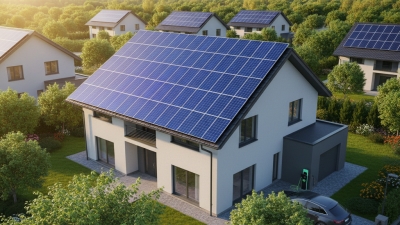
Another exciting advancement is solar roofing. These roofs blend seamlessly with a home's design. They provide aesthetic appeal while generating energy. However, the upfront costs can be daunting for some. It's essential to weigh the long-term savings against initial investments. The shift to solar technologies is promising, but it requires careful consideration and planning.
Cost-Effectiveness of Solar Solutions for Modern Homeowners
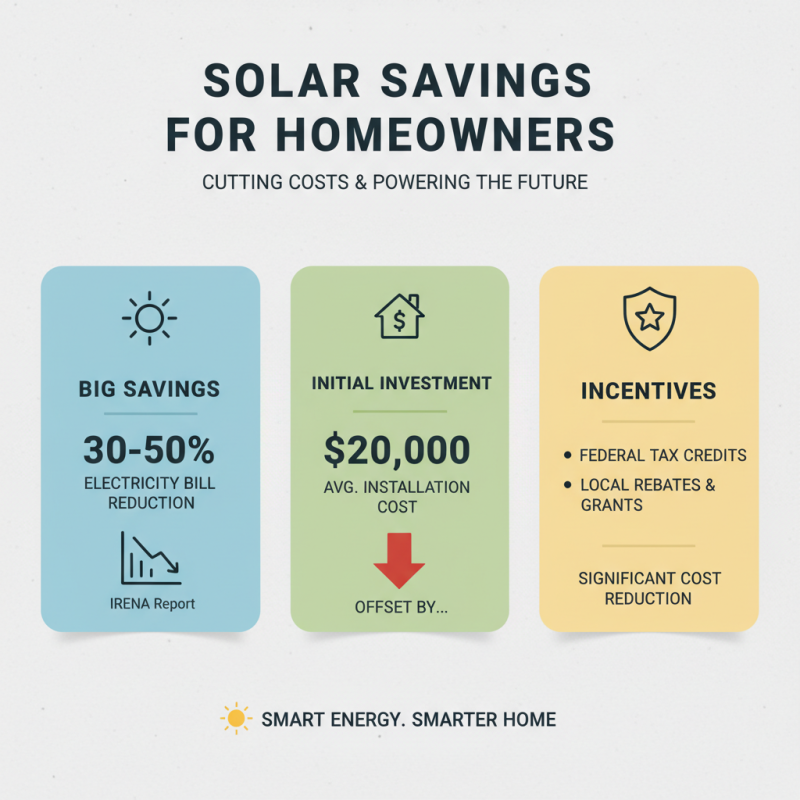
As solar technology advances, cost-effectiveness remains a top priority for modern homeowners. According to a recent report from the International Renewable Energy Agency, solar energy can cut electricity bills by 30-50%. Homeowners are increasingly drawn to this potential savings. Initial installation costs may seem high, averaging around $20,000. However, federal tax credits and local incentives can significantly offset these expenses.
Long-term investment in solar not only saves money, but can also increase property value. A study from the National Renewable Energy Laboratory shows that homes with solar panels typically sell for 4% more. This trend indicates a shift towards valuing sustainable energy solutions. Yet, the payback period can vary widely, often ranging between 5 to 15 years.
While many applaud solar's benefits, challenges remain. The efficiency of solar panels can diminish over time, with an average degradation rate of about 0.5% per year. Homeowners might face unexpected maintenance costs. It’s crucial to evaluate the specific energy needs and local climate impacts before committing. Investing in solar technology requires careful calculation and consideration.
Incentives and Rebates for Implementing Solar Solutions in 2026
As we look ahead to 2026, the landscape for solar solutions is evolving rapidly. Homeowners have numerous options when considering solar energy. The incentives and rebates available significantly influence the decision to adopt these solutions. Tax credits may cover a substantial portion of installation costs. Local programs might provide cash rebates. States are also introducing incentives that could lower overall expenses.
However, navigating these programs can be cumbersome. Many homeowners are unaware of all their options. For some, the process feels overwhelming. Research is crucial to understanding eligibility and maximizing benefits. Deadlines for applications may vary, causing frustration. Detailed understanding of these incentives can lead to significant savings.
It’s also worth reflecting on the longevity of these solar systems. While initial costs may be offset by incentives, maintenance remains a concern. Homeowners should consider long-term durability alongside upfront savings. Each installation carries potential risks. Evaluating all aspects is vital for a worthwhile investment. Ultimately, taking the time to explore every opportunity can lead to a more sustainable future.
Top 10 Solar Solutions for Homeowners in 2026
This bar chart illustrates the projected adoption rates of various solar solutions by homeowners in 2026. The data signifies an increasing trend towards renewable energy solutions in residential areas, adopting technologies that enhance energy efficiency and sustainability.