Top Solar Energy Solutions for a Sustainable Future 2026?
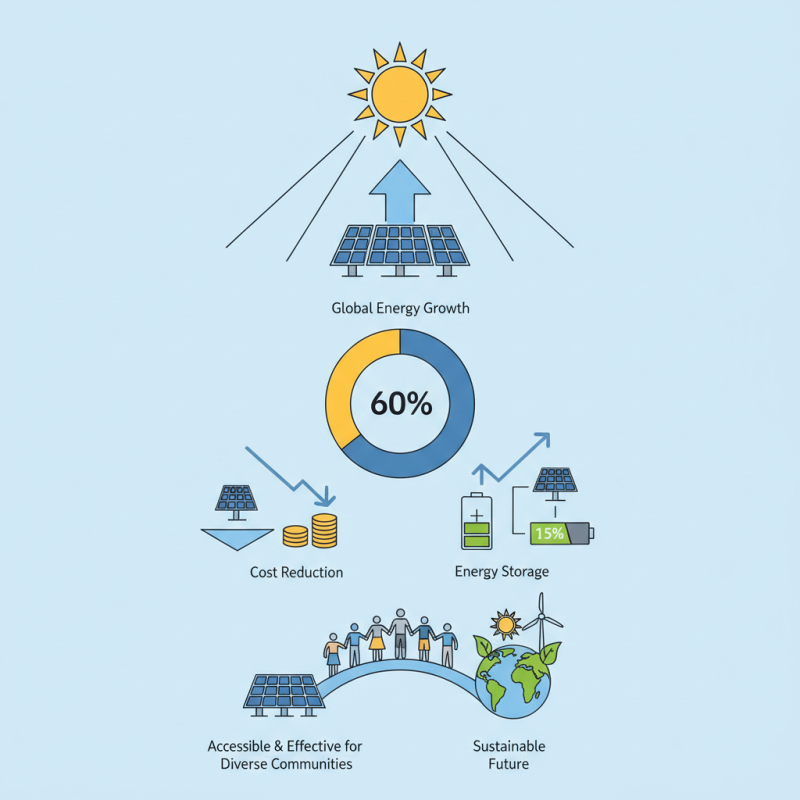
As we approach 2026, the shift towards sustainable solar energy solutions is becoming increasingly vital. According to the International Energy Agency, solar power is expected to dominate global energy growth, accounting for nearly 60% of the total renewable energy generation by that year. This transition aims not only to reduce dependency on fossil fuels but to combat climate change effectively.
Yet, despite these promising figures, challenges linger. For example, the cost of solar technology remains a barrier in many regions. While prices have reduced by 90% since 2010, affordability continues to vary significantly across different markets. Moreover, energy storage solutions remain critical. Only 15% of solar installations integrate effective storage systems, limiting the efficiency of energy usage.
In recognizing these complexities, it becomes imperative to innovate continually. The ultimate goal is to harness solar energy solutions that are both accessible and effective for diverse communities. By addressing these issues, we can pave the road towards a truly sustainable future.
Innovative Solar Technologies Shaping the Future of Energy
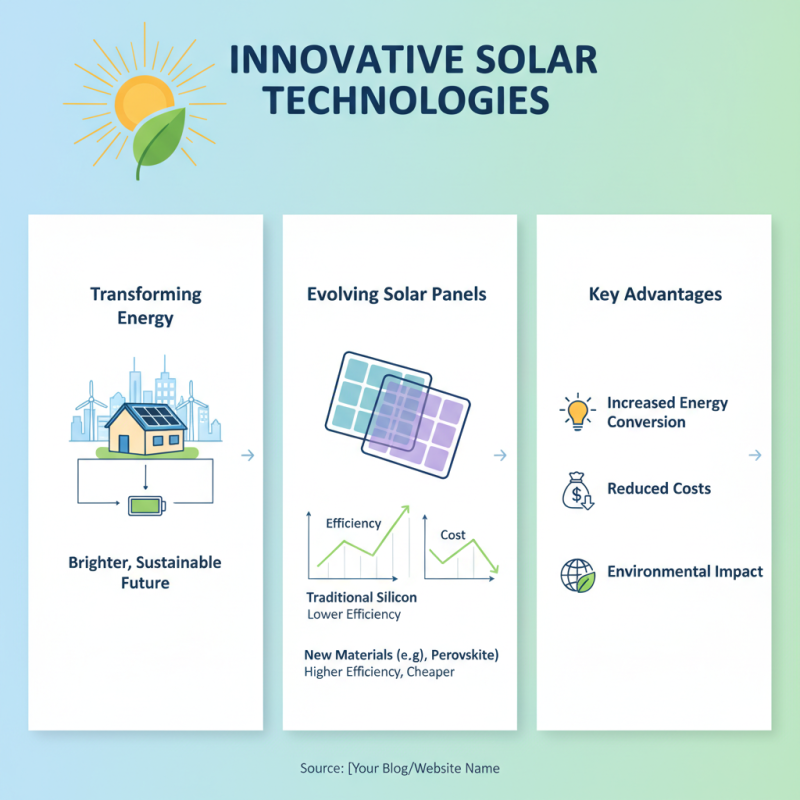
Innovative solar technologies are rapidly transforming the energy landscape. They promise a brighter, more sustainable future. Solar panels are evolving. New materials make them cheaper and more efficient. For instance, perovskite solar cells show great potential. They can convert sunlight to energy at a higher rate than traditional silicon cells.
Energy storage technologies are also advancing. Batteries are becoming more affordable and powerful. This enhances the efficiency of solar energy systems. Homeowners can store excess energy generated during the day for nighttime use. This reduces reliance on the grid. However, the production of these batteries raises environmental concerns. More sustainable manufacturing processes are needed.
The integration of solar energy with smart grids is another exciting development. This allows for better energy management. Users can monitor their consumption in real-time. Yet, the implementation of these systems comes with challenges. Infrastructure upgrades can be costly and time-consuming. Communities must navigate these complexities to fully embrace the solar revolution. Embracing these innovations holds great promise but requires careful consideration of their impact.
The Role of Solar Power in Achieving Global Sustainability Goals
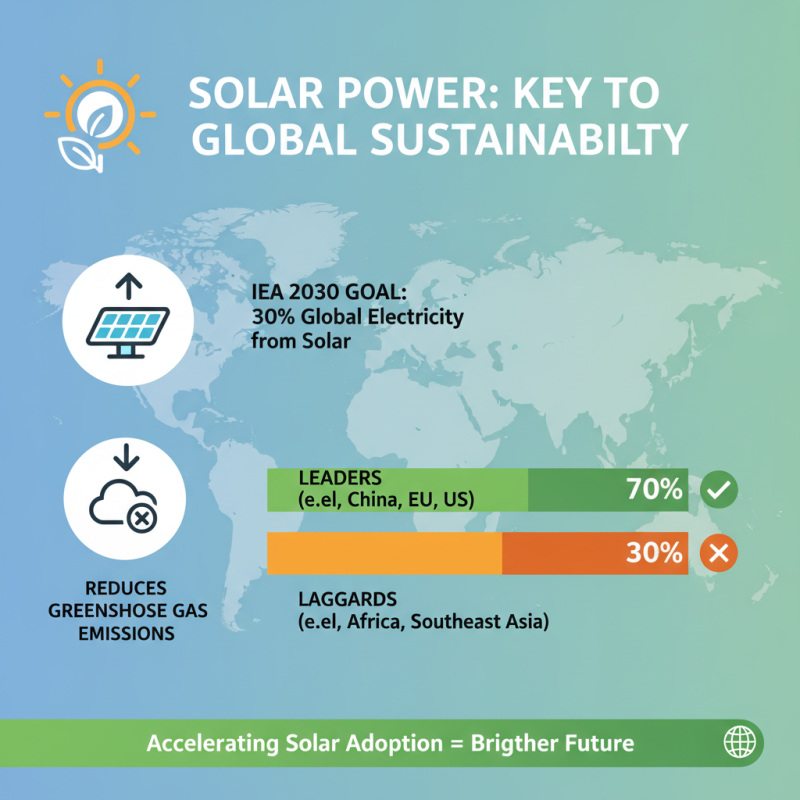
Solar power plays a crucial role in achieving global sustainability goals. According to the International Energy Agency (IEA), solar energy could produce up to 30% of global electricity by 2030. This shift can significantly reduce greenhouse gas emissions. However, the current adoption rate varies widely across regions. Some countries are leading, while others lag behind.
Despite the progress, challenges remain. A report from the United Nations highlights that only 10% of countries are on track to meet their renewable energy targets. The transition requires not only better technology but also increased investment. Financial hurdles can slow down solar energy projects. Research shows that a lack of funding leads to delays in solar deployment. Developing countries often struggle more with these issues.
Community engagement is essential for success. Local populations need awareness and education about solar benefits. When communities participate, projects are more likely to be accepted and succeed. Unfortunately, many initiatives overlook this aspect. Improving communication can make a big difference. Solar power can indeed drive sustainability, but it's a collective effort. We must constantly assess strategies to ensure inclusive growth.
Economic Benefits of Solar Energy Solutions for Communities
Solar energy is emerging as a vital solution for local economies. Communities that invest in solar can expect significant economic benefits. A study found that solar jobs have grown by 167% since 2010. These jobs range from installation to maintenance. Increased employment can lead to higher community engagement and improved local morale.
Communities that adopt solar energy also save money. A report highlighted that residential solar systems can cut electricity bills by 50% or more. Additionally, solar energy can protect communities from fluctuating energy prices. This financial stability can encourage local businesses to thrive. Lower energy costs can be a game-changer for small enterprises.
Tips: Explore community solar programs in your area. These initiatives allow multiple households to share access to solar energy. Investigate local incentives for solar installation. Many regions offer tax credits or rebates. These can significantly reduce upfront costs, making solar energy accessible for more families.
Challenges and Opportunities in Solar Energy Adoption
The solar energy sector is facing significant challenges despite its potential. A 2022 International Energy Agency report highlighted that solar energy could deliver up to 30% of the world’s energy needs by 2030. However, only 10% of homes currently utilize this technology globally. This discrepancy indicates a major gap in adoption. Barriers include high initial costs and a lack of consumer awareness.
Moreover, the infrastructure needed for solar installation can be a hurdle. Transitioning to solar requires trained professionals and reliable supply chains. As of 2023, nearly 60% of surveyed homeowners express concerns about installation difficulty. These challenges present an opportunity for innovation. Developing user-friendly solar products and financing options could bridge the gap.
Additionally, legislation varies widely by region, impacting adoption rates. Some areas offer incentives, while others lag behind. According to a 2023 report from the Solar Energy Industry Association, only 25% of U.S. states have significant financial incentives in place. Addressing these disparities is critical for creating a more sustainable future. Expanding accessibility and affordability will likely promote wider acceptance among consumers.
Future Trends in Solar Energy: What to Expect by 2026
The solar energy landscape is undergoing rapid changes. By 2026, advancements will reshape how we harness sunlight. Innovations in photovoltaic technology promise higher efficiency levels. These enhancements may lead to cheaper solar panels, but quality can vary. It’s essential to evaluate products carefully.
Energy storage will play a crucial role. As battery technologies improve, storing solar energy becomes viable. This means less energy waste and greater reliance on renewable sources. However, challenges remain in recycling old batteries. Finding sustainable solutions for disposal is vital for future growth.
Grid integration must also evolve. Smart grids will facilitate better energy management. They offer real-time data but require significant investment. This can lead to inequality in energy access. We must reflect on how to ensure everyone benefits from these advancements in solar energy. The journey to a sustainable future is complex but necessary.