Top Solar Energy Solutions for a Sustainable Future?
As the world strives for sustainability, solar energy solutions emerge as a vital path forward. Dr. Emily Carter, a renowned expert in renewable energy, states, “Solar energy is not just an option; it’s a necessity for our planet’s future.” Her insight highlights the urgent need for innovative and effective solar initiatives.
Many countries are investing heavily in solar technology. This investment results in cleaner energy and job growth. However, challenges remain. Not all regions have optimal sunlight or infrastructure. The solutions must address these unique obstacles to maximize efficiency.
The landscape of solar energy is rapidly evolving. Despite progress, some systems still fall short in efficiency. Proper education and awareness are crucial. As we explore the top solar energy solutions, we must remain critical. Each innovation brings possibilities and questions, paving the way for a more sustainable future.
Emergence of Solar Energy as a Key Player in Sustainability
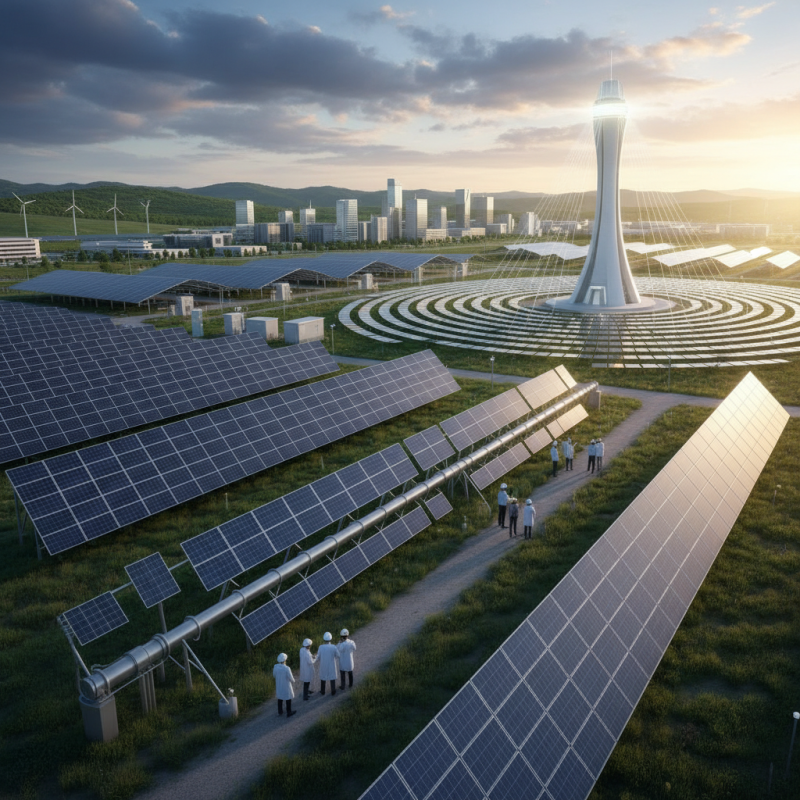
Solar energy is emerging as a key player in the sustainability movement. As the world grapples with climate change, solar power offers a clean and renewable solution. Utilizing sunlight reduces greenhouse gas emissions and dependence on fossil fuels. The technology has evolved, making solar panels more efficient and accessible. Communities worldwide are starting to integrate solar solutions into their energy systems.
Tips: Consider investing in solar panels for your home. They can significantly lower energy costs over time. Additionally, many governments offer incentives for solar installations, making it more affordable.
However, there are challenges. Not everyone has the ability to install solar panels. Urban areas may struggle with space for solar farms. Also, the production of solar panels has its environmental impacts. It’s crucial to address these issues to maximize sustainability.
Engagement in solar energy initiatives is essential. Communities should advocate for solar solutions and support local projects. Collective efforts can lead to more significant advancements in renewable energy adoption. Education about solar benefits can change perceptions and drive demand.
Top Solar Energy Solutions for a Sustainable Future
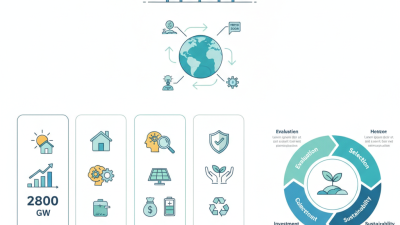
This chart illustrates the annual installed capacity of various solar energy solutions, highlighting the significant role that solar photovoltaic (PV) systems play in achieving a sustainable future.
Different Types of Solar Energy Technologies Explored
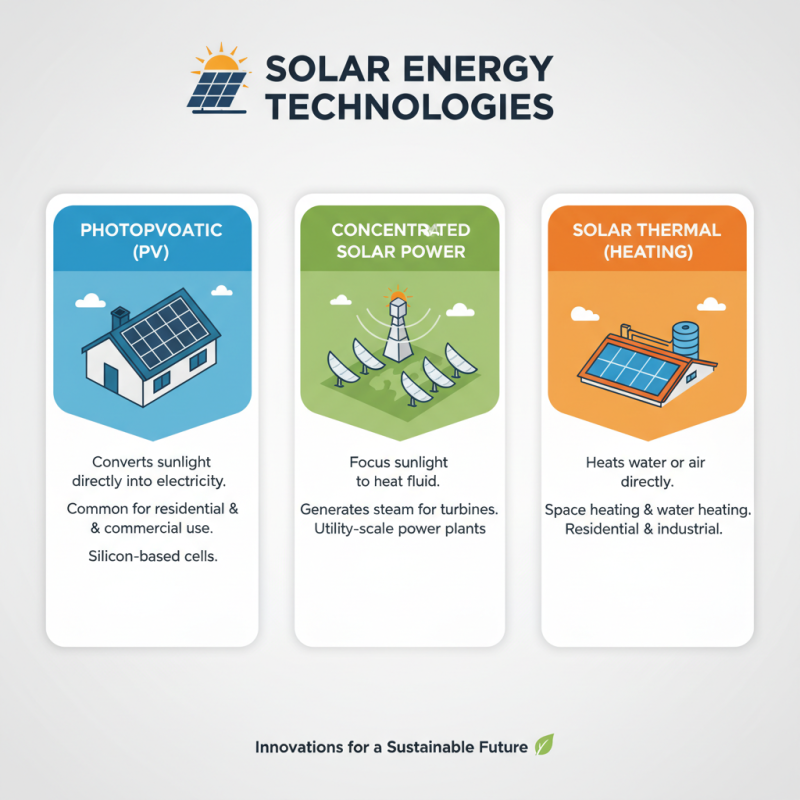
Solar energy technologies are diverse and constantly evolving. These innovations hold promise for a sustainable future. Each technology offers unique benefits and challenges, making it important to understand their differences.
Photovoltaic (PV) panels are one of the most well-known solar technologies. They convert sunlight directly into electricity. Installing PV systems on rooftops can significantly reduce energy bills. However, their efficiency varies based on location and weather conditions. Another option is solar thermal technology, which captures heat from the sun. This method can be used for heating water or spaces. While effective, it requires significant space and may not work in colder climates.
Concentrated solar power (CSP) is another intriguing option. CSP uses mirrors to focus sunlight and generate electricity. This technology can store energy, providing power even when the sun isn’t shining. Yet, CSP requires a large land area and is less effective in regions with low solar intensity. Each solar technology presents a path to sustainability, but no solution is without limitations. Exploring these options is essential for a balanced approach to solar energy.
Benefits of Solar Energy for Environmental Protection and Economic Growth
Solar energy offers significant benefits for both environmental protection and economic growth. Utilizing solar power reduces dependence on fossil fuels. This shift helps lower greenhouse gas emissions. In turn, cleaner air improves public health and biodiversity.
Wealthier ecosystems create resilience against climate impact.
While solar panels are an excellent investment, they require initial funding. Consider starting small. Homeowners can install smaller systems and expand later. This gradual approach allows better budgeting. Research local incentives to lessen costs.
Communities may also benefit economically as solar jobs multiply. Installation requires skilled workers, driving local employment. However, transitioning fully to solar energy is challenging. Infrastructure needs updates, and not all regions receive equal sunlight. A focused strategy is vital for widespread adoption.
Challenges and Innovations in Solar Energy Implementation
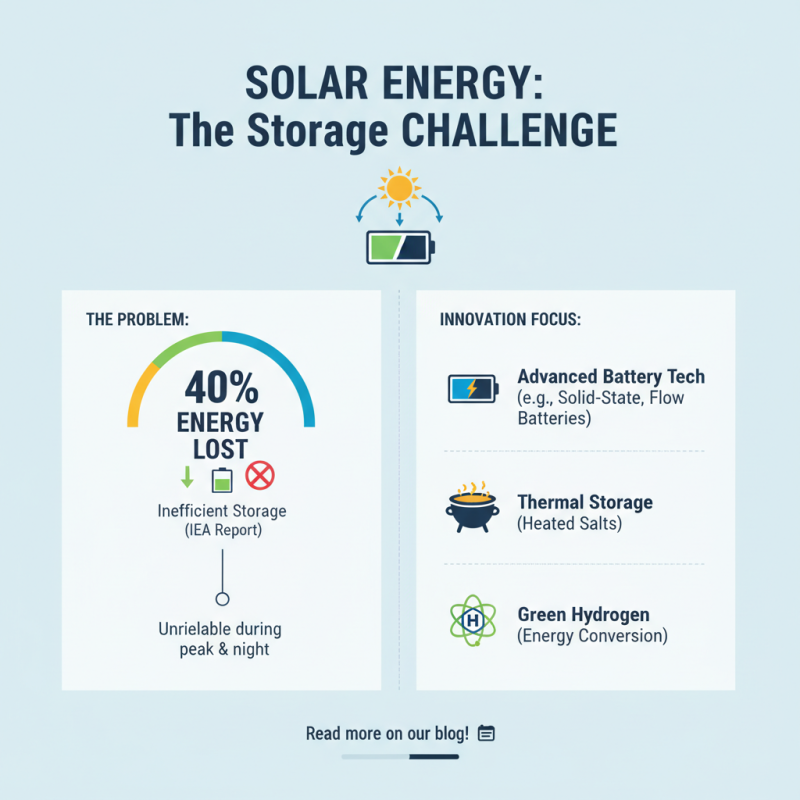
The solar energy sector faces several challenges that impede its full potential. One significant issue is energy storage. As reported by the International Energy Agency, nearly 40% of solar energy is lost due to poor storage options. Current battery technologies often struggle to store energy efficiently for prolonged periods. This gap inhibits solar energy from being a reliable power source, especially during peak consumption times.
Another challenge lies in land use and environmental impacts. According to the National Renewable Energy Laboratory, large solar farms require extensive land, which can disrupt local ecosystems. Proper site selection is crucial to minimize these effects. Some companies are even exploring dual-use systems that combine agriculture and solar energy production. However, these innovations are still in early stages and require further research.
The regulatory landscape adds another layer of complexity. Different regions have varied regulations that can delay project approvals. The complexity of navigating these rules can hinder innovation. Enhanced collaboration between stakeholders is essential. Sharing best practices can lead to innovative solutions that benefit both the environment and energy needs.
Future Trends in Solar Energy Solutions for Global Sustainability
The future of solar energy is promising yet complex. Emerging technologies, like bifacial solar panels, are enhancing efficiency. These panels capture sunlight on both sides, maximizing energy output. This innovation could significantly reduce the cost per watt of solar electricity. However, not all regions can harness this advantage equally.
Integration of solar with smart grids is another exciting trend. Smart grids can optimize energy distribution based on real-time demand. This means solar energy can be efficiently utilized, even during peak times. Yet, implementing such technology requires extensive infrastructure upgrades. These changes come with challenges that need addressing, particularly in developing regions.
Sustainability also involves recycling solar panels. Current methods are limited, leading to waste concerns. As installation rates rise, we must consider end-of-life solutions for these products. There is a growing need for standards in recycling processes. There’s uncertainty about how to balance innovation with environmental responsibility. Navigating these complexities will shape solar energy's role in a sustainable future.