Top 10 Solar Applications Transforming Global Energy Use?
The world is experiencing a shift towards sustainable energy solutions. Solar Applications are at the forefront of this transformation. They offer practical solutions to reduce reliance on fossil fuels. Governments and businesses are recognizing their potential.
These solar technologies are diverse. They range from residential solar panels to solar-powered electric vehicles. This variety allows for a broad impact across different sectors. Yet, challenges remain. The initial installation costs can be high. Additionally, energy storage and grid integration require ongoing innovation.
As solar applications evolve, they pave the way for a cleaner future. Communities are adopting these technologies at an increasing rate. With ongoing research and development, the efficiency of solar applications improves. However, social acceptance and regulatory hurdles need careful consideration. Addressing these issues is crucial for widespread adoption.
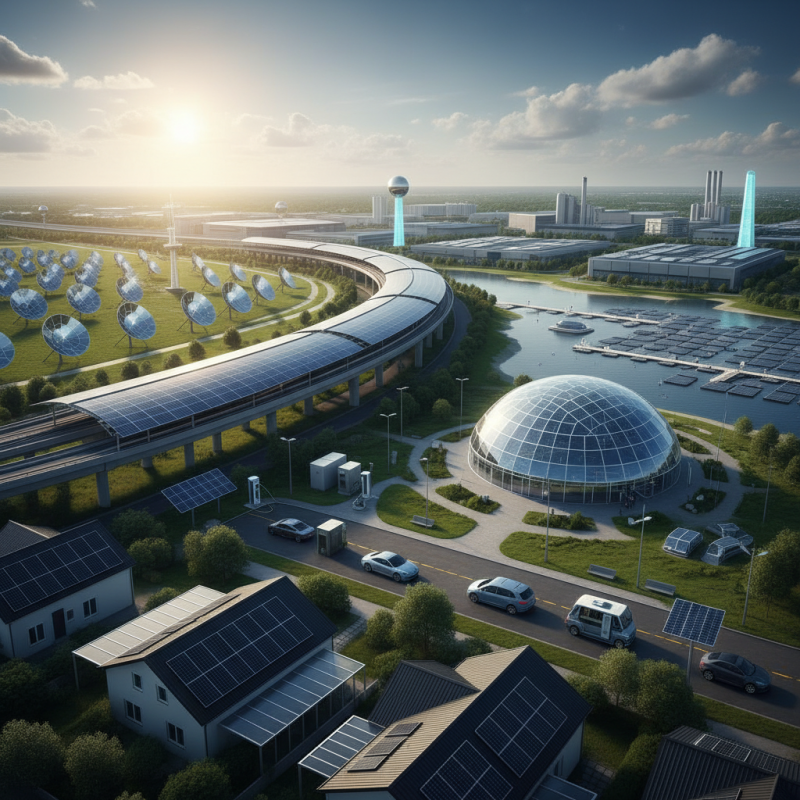
Emerging Trends in Solar Technology Driving Energy Transformation
Emerging trends in solar technology are reshaping global energy use. As innovations accelerate, they provide safer and more efficient solutions for energy generation. New materials, like perovskite solar cells, are pushing efficiency boundaries. These cells promise lower production costs and easier installation methods. Their potential could disrupt traditional solar markets.
Another trend is the integration of solar with energy storage systems. This combination allows for better energy management and stability. Homeowners can store excess energy generated during sunny days. This energy can be used later, reducing reliance on the grid. Thus, solar becomes a more viable option for urban areas with fluctuating demand.
The rise of smart solar technology is also noteworthy. Smart systems allow users to monitor energy consumption in real time. This can lead to significant savings and increased awareness about energy usage. However, adapting to these technologies can be challenging for some. Many still struggle with older systems that lack advanced features. The transition may take time, and education is critical to ensure widespread adoption.
Top 10 Solar Applications Transforming Global Energy Use
Residential Solar Solutions: Empowering Homeowners Worldwide
Residential solar solutions are gaining traction as more homeowners turn to renewable energy. These systems allow families to generate their own electricity, reducing reliance on traditional grid power. With the rising cost of energy, solar panels can provide significant savings over time. Homeowners can also benefit from various tax incentives and rebates, making the initial investment more manageable.
However, not every household is a perfect candidate for solar energy. Factors like roof orientation, shading, and local regulations play a crucial role in the effectiveness of solar installations. Homeowners must carefully assess these variables before committing to a system. Additionally, while solar technology is rapidly advancing, some systems still lack efficiency. This inequality raises questions about accessibility for different income levels.
As the demand for sustainability grows, educating homeowners about available options is vital. Nothing improves trust more than sharing real-life stories of those who benefited from these systems. Furthermore, the ongoing development of smart solar technology suggests that the journey of residential solar energy is just beginning. Homeowners should stay informed and remain open to innovations that can enhance their experience.
Top 10 Solar Applications Transforming Global Energy Use - Residential Solar Solutions: Empowering Homeowners Worldwide
| Application | Description | Benefits | Estimated Cost (USD) | Potential Savings (Annual USD) |
| Rooftop Solar Panels | Photovoltaic systems installed on residential rooftops. | Energy independence, reduced electricity bills, and lower carbon footprint. | 15,000 | 1,200 |
| Solar Water Heaters | Systems that heat water using solar energy. | Lower utility costs and efficient water heating. | 5,000 | 300 |
| Solar Pool Heaters | Systems designed to heat swimming pools using solar energy. | Extended swimming season and lower heating costs. | 4,500 | 500 |
| Solar Ventilation Fans | Fans powered by solar energy to ventilate homes. | Reduced attic heat and lower cooling costs. | 300 | 150 |
| Solar Chargers | Portable chargers that use solar power to charge devices. | Convenience for on-the-go charging without grid energy. | 100 | 50 |
| Solar Generators | Backup power systems that utilize solar panels. | Reliable power during outages and reduced electricity costs. | 2,000 | 200 |
| Community Solar Projects | Shared solar facilities that serve multiple homes. | Access to solar energy for those unable to install panels. | Variable | Variable |
| Solar-Powered Lighting | Outdoor lighting systems that run on solar power. | Energy savings and no wiring required. | 150 | 75 |
| Solar Energy Storage Systems | Batteries that store solar energy for later use. | Increased energy independence and self-consumption. | 7,000 | 600 |
Solar-Powered Transportation: Revolutionizing Mobility and Emissions
Solar-powered transportation is reshaping how we move. Electric vehicles (EVs) are gaining traction, driven by advancements in solar technology. According to the International Energy Agency (IEA), global EV sales reached 6.6 million in 2021, marking a 108% increase from the previous year. This growth suggests a significant shift toward cleaner transportation options.
Cities are now exploring solar charging networks. These networks support the increasing number of solar EVs. For example, a report by the National Renewable Energy Laboratory (NREL) states that solar-powered charging stations can reduce greenhouse gas emissions by over 60% compared to conventional power sources. While this is a promising development, there are challenges. Infrastructure development lags behind the rapid growth of EVs.
Moreover, not all regions have equal access to this technology. Areas with ample sunlight benefit more than regions with limited solar exposure. This disparity highlights the need for a balanced approach in implementing solar solutions. Policymakers and manufacturers must address these gaps to ensure equitable solar-powered transportation.
Utility-Scale Solar Projects: Maximizing Renewable Energy Production
Utility-scale solar projects are reshaping how we harness renewable energy. These large installations generate significant amounts of electricity. They typically connect directly to the grid. This connection enhances energy distribution. Power is sent to homes and businesses efficiently.
One key advantage of utility-scale solar is its scalability. These projects can range from a few megawatts to hundreds. The larger the project, the lower the cost per kilowatt-hour. However, challenges persist. Land use and environmental impact raise concerns. Effective planning is essential to minimize disruption. Maintaining local ecosystems while maximizing production demands careful thought.
In addition, the integration of utility-scale solar with energy storage is vital. Storage solutions allow excess energy to be saved for later use. This capability enhances grid reliability. Yet, the technology still faces hurdles. Costs and technological limitations can slow progress. The industry must innovate further to achieve sustainability goals.
Innovative Solar Applications in Agriculture and Water Management
Solar energy is reshaping agriculture and water management worldwide. Farmers are now using solar-powered irrigation systems. These systems provide a reliable water source, especially in arid areas. With these systems, crops thrive with less labor and lower energy costs.
In addition, solar energy plays a key role in water purification. Solar stills use sunlight to transform saline or polluted water into safe drinking water. They are simple, affordable, and energy-efficient. This technology is crucial in regions with limited access to clean water.
Tips: Consider adding solar panels to farm buildings. This can supplement energy needs and reduce costs. Explore group purchasing options for solar systems to save money. Evaluate your current water management practices to identify areas for solar integration.
