Top 10 Energy Manager Tools for Optimal Efficiency?
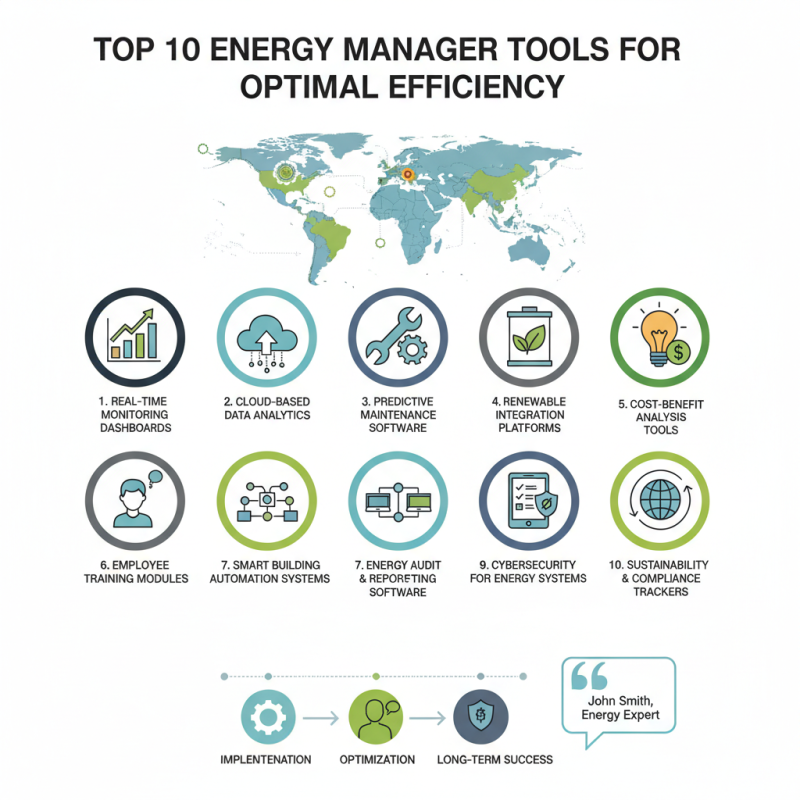
In today's fast-paced world, energy management is crucial for businesses aiming for optimal efficiency. "Energy managers play a pivotal role in reducing costs and promoting sustainability," says John Smith, a leading expert in energy management. His insights remind us that effective tools can make a significant difference.
As energy managers navigate complex systems, they often face challenges. These tools not only streamline processes but also ensure accurate data analysis. For instance, using advanced software helps in tracking energy consumption patterns. With proper implementations, businesses can reduce waste and enhance operational efficiency. Yet, many still overlook the importance of training staff to effectively use these tools.
Adopting new technologies is essential, but it can be daunting. Some may resist changes due to fear of complexity. However, with the right support and guidance, energy managers can overcome these hurdles. Ultimately, understanding and utilizing the best tools is key to achieving long-term success in energy management.
Overview of Energy Management Tools and Their Importance
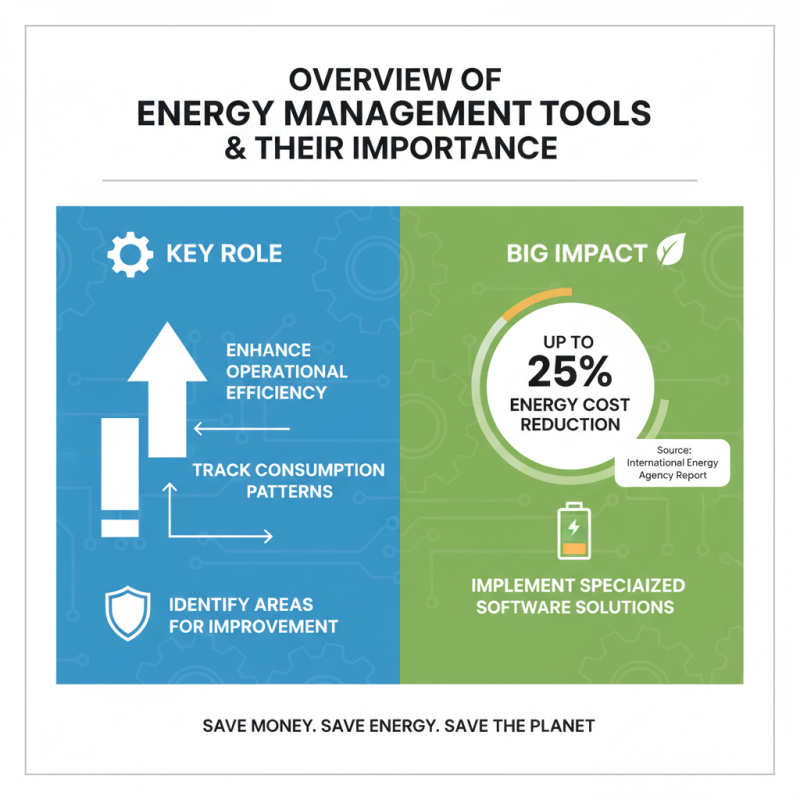
Energy management tools play a critical role in enhancing operational efficiency. According to a report by the International Energy Agency, effective energy management can lead to a reduction in energy costs by up to 25%. This underscores the importance of implementing specialized software solutions to track consumption patterns and identify areas for improvement.
Furthermore, the U.S. Department of Energy estimates that companies with structured energy management programs can save approximately 10-30% on energy bills. By utilizing comprehensive energy management tools, organizations can monitor usage in real-time. This enables proactive adjustments that can optimize performance. However, many companies still struggle with engaging these tools effectively, often missing out on the potential benefits.
Even with advanced technology, the adoption rate remains low. A survey conducted by Navigant Research found that only 29% of organizations have fully integrated energy management solutions. This highlights the need for ongoing training and awareness within the workforce. Companies must prioritize energy literacy to tap into the tools' full potential and make informed decisions that align with sustainability objectives.
Key Features to Look for in Energy Manager Tools
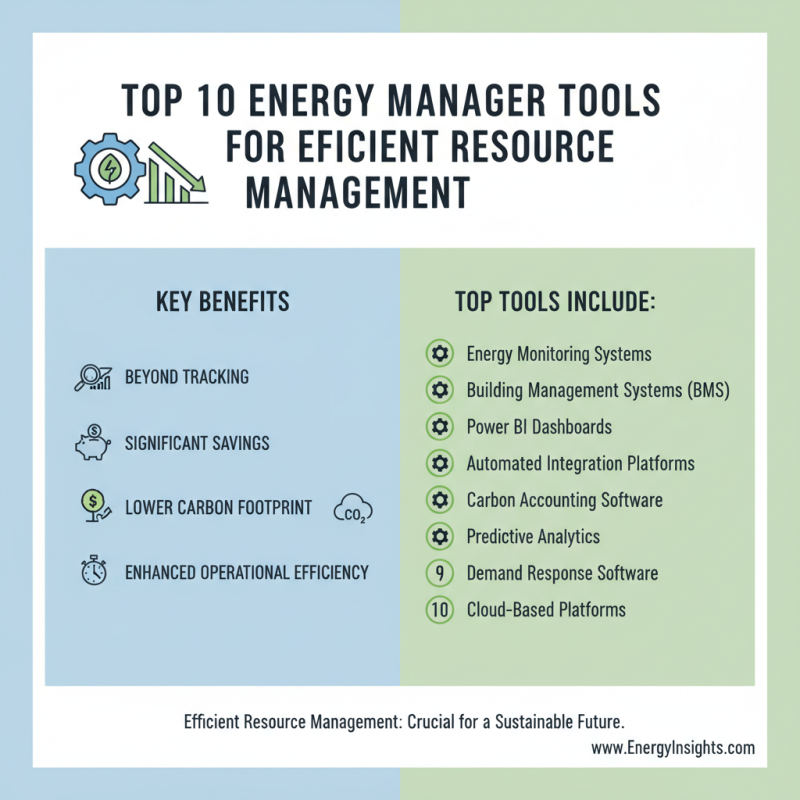
When selecting energy manager tools, certain features are essential. Look for real-time monitoring capabilities. This allows you to track energy usage instantly. Interactive dashboards can also enhance user experience. They convert complex data into clear visuals, helping teams make informed decisions.
Another critical feature is automated reporting. Regular updates reduce the manual effort needed for compliance and auditing. These tools should also support customizable alerts. Alerts notify users about unusual consumption patterns, offering timely insights to address energy waste.
Integration with existing systems is an aspect to evaluate. Seamless compatibility with other software can maximize efficiency. Some tools enable predictive analytics, which forecast future usage trends. While these features enhance decision-making, remember they require proper implementation and training. Continuous learning from the data collected is crucial for long-term success. Without this, one might overlook significant energy-saving opportunities.
Comparative Analysis of the Leading Energy Management Solutions
Energy management tools play a crucial role in enhancing operational efficiency across various industries. A recent report from the International Energy Agency (IEA) indicates that businesses can reduce energy costs by up to 30% with effective energy management solutions. This underscores the vital need for organizations to evaluate available tools critically.
When selecting energy management software, consider factors such as user-friendliness and integration capabilities. Some platforms may look appealing but lack essential functionalities. Analyze how these tools handle data collection and reporting. User feedback on these aspects can provide insight into potential challenges. Tools that offer real-time analytics tend to give businesses more control, enabling faster decision-making.
Tip: Always assess the scalability of a tool. Will it grow with your organization? Avoid choosing software that may limit future expansion. Another tip is to pay attention to customer support. A helpful support team can ease the burden when troubleshooting issues. Remember, while initial investments may seem daunting, the long-term savings can be significant.
Future Trends in Energy Management Technologies and Tools
As industries push for sustainability, energy management tools will see exciting advancements. A focus on real-time data analytics is crucial for this evolution. By analyzing energy consumption patterns, companies can identify inefficiencies and uncover significant savings. Predictive maintenance will also emerge, allowing organizations to foresee equipment failures before they occur.
Tips: Regularly analyze your energy consumption data. Small changes can lead to major savings.
Emerging technologies like artificial intelligence will revolutionize energy management. AI can optimize energy usage by learning from historical data. Additionally, integration of the Internet of Things (IoT) will enhance connectivity between devices. This synergy allows for smarter energy choices and automatic adjustments based on user behaviors.
Consider an energy audit. It sheds light on potential inefficiencies and helps in planning adjustments. Not all tools will suit every business. A tailored approach is essential for successful energy management.
Top 10 Energy Manager Tools for Optimal Efficiency
This chart displays the efficiency ratings of the top 10 energy manager tools, highlighting their performance in optimal energy management. Each tool's rating reflects its capability to enhance energy efficiency.