The increasing urgency of climate change and the rising costs of energy have brought Home Energy Management Systems (HEMS) to the forefront of residential energy solutions. According to a report by the International Energy Agency (IEA), buildings account for approximately 30% of global energy consumption and nearly 40% of CO2 emissions. As homeowners seek innovative ways to manage their energy use, HEMS provide a comprehensive approach to monitoring and optimizing energy consumption, which not only reduces costs but also contributes to sustainability efforts.
Research indicates that households implementing a home energy management system can achieve energy savings of up to 30%. This potential for substantial energy conservation is pivotal, especially in regions where energy prices are soaring. Furthermore, the U.S. Department of Energy has noted that smart energy technologies, including HEMS, can empower consumers to make informed decisions about their energy use, ultimately leading to a reduction in peak demand and increased grid reliability. As we explore the top 10 benefits of home energy management systems, it becomes clear that their adoption is not just a trend but a necessary step toward a more efficient and environmentally friendly future.

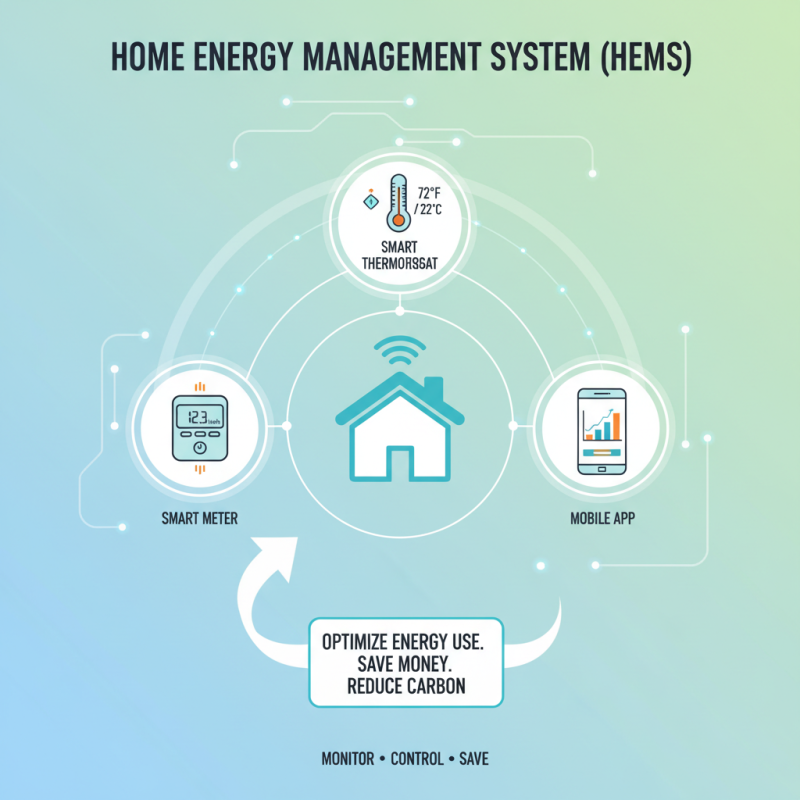
Home Energy Management Systems (HEMS) are innovative technologies designed to help homeowners monitor, control, and optimize their energy use. At the core of HEMS is the ability to gather real-time data on energy consumption throughout the household, which enables users to identify patterns and make informed decisions about their energy habits. These systems often include various components such as smart meters, advanced thermostats, and mobile applications that work together to provide users with comprehensive insights into their energy usage.
One of the key advantages of HEMS is their ability to empower homeowners with information that can lead to significant cost savings and energy efficiency improvements. By analyzing usage trends, homeowners can adjust settings for appliances and HVAC systems, shift energy-intensive tasks to off-peak times, and ultimately reduce their carbon footprint. Additionally, many HEMS are compatible with renewable energy sources, allowing users to maximize the benefits of solar energy or other sustainable options. As concerns about energy consumption and climate change continue to grow, HEMS offer a practical solution for individuals looking to contribute to a more sustainable future while enjoying greater control over their energy expenses.
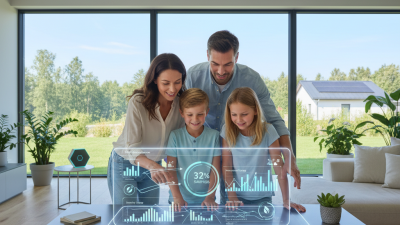
Home Energy Management Systems (HEMS) have emerged as essential tools for optimizing energy consumption in residential settings. One of the key features that make HEMS effective is their real-time energy monitoring capability. According to a report by the International Energy Agency (IEA), households that implement energy management systems can reduce their energy usage by up to 20% simply by being made aware of their consumption patterns. This immediate feedback allows homeowners to make informed decisions about their energy use, such as adjusting thermostats or shifting appliance usage to off-peak hours.
Another fundamental feature of HEMS is the integration of smart home technology, which facilitates seamless communication between devices. A survey conducted by the U.S. Department of Energy found that homes equipped with smart devices were not only more energy-efficient but could also offer up to 30% savings on utility bills. Automation capabilities enable users to schedule energy usage based on peak pricing or environmental conditions, further enhancing energy management effectiveness. Additionally, the ability to control and monitor energy consumption remotely via mobile applications empowers homeowners to optimize their energy use even when they are away from home.
Home Energy Management Systems (HEMS) are becoming increasingly popular among homeowners looking to optimize energy consumption and reduce costs. One of the most significant financial benefits of implementing HEMS is the potential for substantial savings on utility bills. According to a report by the U.S. Department of Energy, households can save an average of 10-30% on energy costs by utilizing smart energy management systems. This translates into hundreds of dollars each year that can be reallocated to other areas of your budget.
In addition to direct savings, HEMS can also enhance the overall efficiency of home appliances, leading to decreased maintenance and replacement costs over time. A study from the American Council for an Energy-Efficient Economy highlights that energy-efficient appliances can last up to 50% longer than their standard counterparts. Therefore, investing in a HEMS not only improves energy usage but also prolongs the lifespan of your appliances, resulting in further financial benefits.
Tip: To maximize savings, consider setting up scheduling features within your HEMS to ensure that energy-intensive appliances operate during off-peak hours when rates are lower.
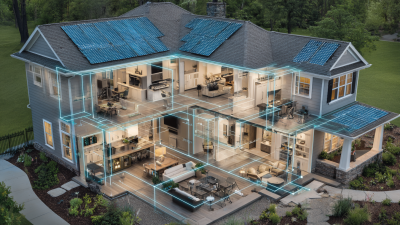
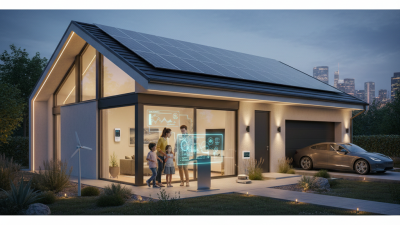
Furthermore, with the increasing integration of renewable energy sources, such as solar panels, HEMS can help homeowners monitor their energy production and consumption more effectively, allowing for optimized self-consumption of solar energy and further reducing reliance on grid energy. This can lead to long-term energy independence and financial security.
Tip: Regularly review your energy consumption reports generated by HEMS to identify trends and opportunities for further savings.
| Benefit | Description | Financial Impact |
|---|---|---|
| Energy Cost Savings | Reduce monthly energy bills through efficient energy management. | Up to 30% savings |
| Increased Home Value | Home upgrades can lead to a higher resale value. | Potential increase of 5-10% |
| Real-Time Energy Monitoring | Gain insights into energy usage patterns. | Enhanced budgeting and forecasting |
| Improved Energy Efficiency | Optimize usage of appliances and systems. | Lower overall energy consumption |
| Peak Load Management | Shift usage to off-peak hours for cost savings. | Reduction in peak demand charges |
| Environmental Impact | Lower carbon footprint through reduced energy consumption. | Positive long-term economic benefits |
| Home Automation Integration | Seamless control over home energy systems. | Convenience and potential savings |
| Incentive Programs | Eligible for rebates and tax incentives. | Up to $1,500 in rebates |
| User Engagement | Enhanced awareness leads to better energy habits. | Long-term cost reductions |
| Predictive Maintenance | Identify issues before they become costly repairs. | Save on maintenance costs |
Home energy management systems (HEMS) play a crucial role in enhancing the environmental sustainability of residential energy use. A recent report by the U.S. Department of Energy highlights that households utilizing HEMS can reduce energy consumption by up to 15%, significantly lowering carbon emissions. These systems enable homeowners to monitor their energy usage in real-time, encouraging more efficient habits and allowing for better control over when and how energy is consumed. By shifting usage to off-peak hours, users not only save on energy costs but also contribute to reduced strain on the grid, which can lead to fewer fossil fuel power plant activations.
In addition to direct energy savings, HEMS promote the integration of renewable energy sources, such as solar panels. A study from the National Renewable Energy Laboratory indicates that homes equipped with energy management systems are 30% more likely to utilize solar energy effectively. This shift towards renewables is critical for mitigating climate change, as a significant portion of greenhouse gas emissions stems from traditional power generation methods. By optimizing energy use through smart systems, homeowners can minimize their environmental footprint and take an active role in the transition toward a more sustainable future.
Home Energy Management Systems (HEMS) have revolutionized the way we interact with energy consumption in our homes, offering enhanced comfort and convenience through smart energy solutions. One of the key features of HEMS is their ability to monitor and control energy usage in real time. This allows homeowners to tailor their energy settings to suit their lifestyle, ensuring that energy is used efficiently and only when needed. For instance, temperature adjustments can be made remotely, enabling users to return to a perfectly heated or cooled home without wasting energy while they are away.
Furthermore, the automation capabilities of smart energy solutions streamline daily routines and enhance overall living conditions. With programmable schedules, homeowners can easily set their appliances, heating, and lighting systems to operate according to their preferences, eliminating the hassle of manual adjustments. Additionally, many HEMS platforms are compatible with other smart devices, creating an integrated network that promotes seamless energy management. This not only leads to greater convenience but also contributes to a more comfortable living environment, as users enjoy consistent temperatures and reduced energy costs. The combination of real-time monitoring and automation allows for a more sustainable lifestyle while prioritizing comfort and user convenience.