Top Ball End Mill Types for 2026 What to Choose?
In the realm of precision machining, the choice of a Ball End Mill is critical. By 2026, advancements in material and design will influence this market significantly. According to a recent report by Market Research Future, the global demand for these tools is expected to grow at a CAGR of 5.5% by 2026. This growth underscores the importance of understanding the various types of Ball End Mills available.
Expert in machining technology, Dr. Emily Carter, remarks, "Choosing the right Ball End Mill can drastically improve production efficiency." With numerous options, selecting the appropriate tool is complex. Each type serves specific applications, including contouring and finishing. Details such as flute design and coating can enhance performance, yet many overlook these aspects.
A flawed choice can lead to wasted time and resources. In an industry where precision is key, this complexity demands careful consideration. The evolution of Ball End Mills is not merely about technology but understanding how these tools fit into broader manufacturing goals. Recognizing the nuances in your selection process is vital for success.
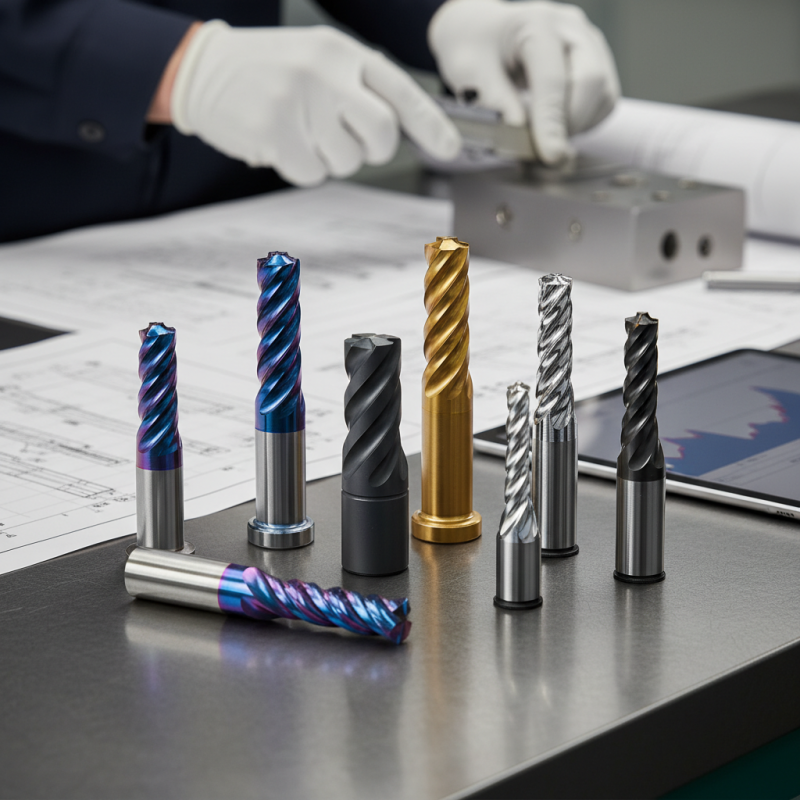
Top Ball End Mill Types Overview for 2026
When selecting ball end mills for 2026, it’s essential to understand the various types available. These tools are critical for achieving precise shapes and profiles in machining. Recent industry reports indicate that the demand for advanced materials, like carbide and high-speed steel, is rising. The market for these tools is projected to grow significantly, with an expected increase of approximately 5.6% annually.
Understanding the differences among end mills can help you make an informed choice. Some types excel in roughing applications, while others are optimized for finishing. Pay attention to the diameter and flute count as these factors influence the cutting efficiency. Remember, the right mill can enhance productivity and reduce costs. Think about the material you are working with to ensure compatibility.
Tips: Always consider testing multiple options. Collect data on performance to identify the best fit. Additionally, keep your tools well-maintained, as dull cutters can lead to errors and increased production time. Watch out for wear patterns; they can signal when it’s time for a replacement. Even minor adjustments can make a significant difference in your manufacturing outcomes.
Key Features of Various Ball End Mill Designs
When selecting ball end mills for 2026, understanding key design features is crucial. Different types offer various advantages for specific machining tasks. For instance, a two-flute design is ideal for deeper cuts and provides excellent chip removal. On the other hand, a four-flute variant delivers a smoother finish for shallower cuts.
Many industry reports indicate that geometric features significantly affect performance. For example, a varied helix angle can reduce cutting forces, leading to a longer tool life. Additionally, choosing the right coatings can enhance wear resistance. These elements are vital when aiming for precision in machining.
Tip: Pay attention to the diameter and length of the mills. A mismatch can lead to suboptimal results. Also, consider the material being machined. Not all end mills work well with every material.
While many tools may promise high performance, the reality can vary. Some designs may underperform due to poor chip flow. Always conduct test runs under controlled conditions. This can help ensure that the chosen tool truly meets your project requirements. Adjusting your approach based on these reflections can lead to better outcomes in the future.
Factors to Consider When Choosing a Ball End Mill
When selecting a ball end mill, various factors come into play. The diameter is crucial. It directly influences the cutting speed and the surface finish. A larger diameter can remove material quickly, but it may not reach tight spaces. Smaller diameters provide precision but with reduced material removal rates.
The material of the end mill is another key factor. High-speed steel (HSS) is common for its affordability. However, carbide end mills offer better wear resistance. According to industry reports, carbide tools have a life span up to five times longer than HSS. This can lead to fewer tool changes and increased productivity.
Coating also affects performance. Coated end mills can reduce friction and heat. A study indicated that using coated tools could improve tool life by 30%. Ultimately, these elements affect overall machining efficiency. It's essential to evaluate your specific application needs before making a choice. Each selection carries its advantages and challenges.
Comparative Analysis of Popular Ball End Mill Brands
When navigating the world of ball end mills, various brands stand out in the marketplace. These mills are essential for creating complex shapes in materials like metal and plastic. A comparative analysis reveals substantial differences in design and effectiveness. One popular type features a tapered end for precision cuts. Another commonly chosen design offers a broader radius for better surface finish.
Durability is a critical factor. Some types wear out faster than expected. Users sometimes overlook this and face production delays. Though some brands promote long-lasting options, real-world performance can vary. It's important to assess user feedback and experiences. Performance in different materials could change the effectiveness of the mill.
Cutting speeds are another aspect to consider. Each brand claims its products excel at specific speeds. However, practical application may tell a different story. Many users report inconsistent results. It highlights the need for careful experimentation and adjustment. In the quest for efficiency, finding the right balance can be challenging but necessary for optimal results.
Top Ball End Mill Types for 2026 What to Choose?
| Type | Diameter (mm) | Flute Count | Material | Coating | Best Applications |
| Standard Ball End Mill | 12 | 4 | Carbide | TiN | General machining of metals |
| Long Reach Ball End Mill | 10 | 4 | Carbide | AlTiN | Deep pocketing and contouring |
| Roughing Ball End Mill | 16 | 6 | High Speed Steel | ZrN | Material removal and roughing |
| Corner Radius Ball End Mill | 8 | 3 | Solid Carbide | TiAlN | Finishing operations |
| Micro Ball End Mill | 2 | 2 | Carbide | Diamond | Precision machining |
Future Trends in Ball End Mill Technology for Machining
As we look ahead to 2026, advancements in ball end mill technology are reshaping the machining landscape. Manufacturers are integrating smarter materials that enhance durability and performance. Upcoming trends include the use of ceramic-coated end mills, which resist wear and extend tool life. This change could lead to more efficient machining processes.
Another notable trend is the focus on multi-functional end mills. These tools can perform several operations, reducing setup time and increasing productivity. Users may face challenges when selecting the right type among various options. The market is flooded with different shapes and sizes, making decisions confusing. It's essential to consider specific applications and material types.
Moreover, the development of precision control mechanisms is encouraging. Newer mills will allow for finer tolerances and better surface finishes. However, finding the ideal balance between speed and accuracy remains a concern. Machinists need to stay updated on these technologies to make informed choices. Embracing these innovations will require ongoing education and practice in real-world settings.
