Top 5 Tips for Implementing Solar for Business Success?
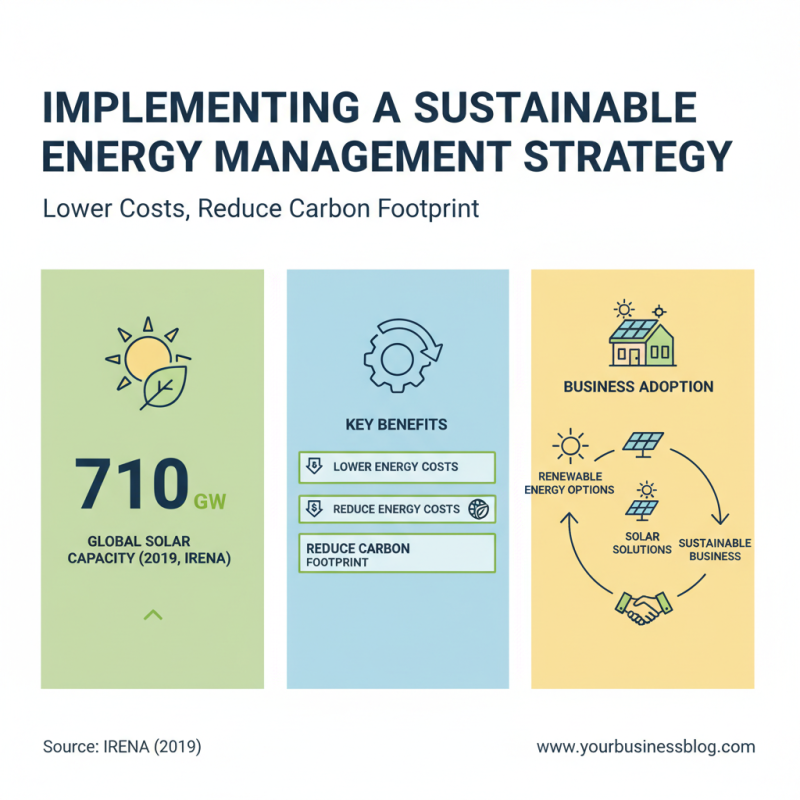
The shift towards solar for business is more than a trend; it’s a strategic move. A report by the International Renewable Energy Agency states that global solar capacity reached over 1,000 gigawatts in 2020. This growth signals the increasing importance of renewable energy in a company's portfolio. Companies adopting solar energy can see a significant reduction in operating costs, with some saving up to 75% on energy bills.
Investing in solar for business not only enhances sustainability but also boosts corporate image. According to a McKinsey report, 66% of consumers prefer brands that are environmentally responsible. However, the transition is not without its challenges. Companies must evaluate their energy needs, financial implications, and available incentives. Navigating these complexities requires careful planning and expertise.
Moreover, the solar market is evolving rapidly, and businesses risk falling behind if they do not adapt. Firms that embrace solar energy must ensure proper implementation strategies. They also need to monitor performance consistently, as not all solar solutions are created equal. Effective adaptation is key to leveraging solar for lasting business success.

Understanding the Benefits of Solar Energy for Businesses
Businesses today are increasingly looking for ways to cut costs and improve sustainability. Solar energy offers significant benefits in these areas. According to the Solar Energy Industries Association, solar installations have doubled over the past five years. This growth highlights a shift toward renewable energy as a viable option for businesses.
One major benefit of solar energy for businesses is cost savings. Implementing solar can reduce electricity bills by up to 70%. These savings can improve a company's bottom line. However, the initial investment is often seen as a barrier. Organizations should explore financing options. This can make solar more accessible and feasible.
Switching to solar also enhances brand reputation. Companies using renewable energy resonate better with eco-conscious consumers. This alignment can lead to increased customer loyalty. It's essential to educate your team about solar's benefits. An informed workforce can advocate for sustainability.
Incorporate a solar strategy that aligns with your business goals. Regularly review energy consumption and explore how solar fits into your operations. Adopting solar energy isn't only an operational choice. It reflects a commitment to a sustainable future. Embracing this change may involve challenges, but the long-term benefits often outweigh initial efforts.
Top 5 Tips for Implementing Solar for Business Success
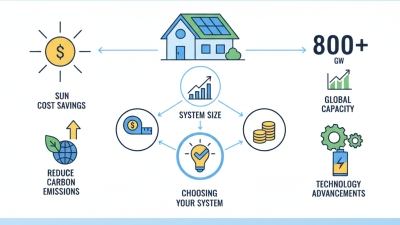
This chart illustrates the key benefits of implementing solar energy for businesses, focusing on potential savings, environmental impact, and energy independence.
Assessing Your Business's Energy Needs and Goals
Assessing your business's energy needs is crucial when considering solar energy implementation. Identify how much energy your operations consume monthly. Analyze energy bills to find patterns and peak usage times. This data helps in determining the size of the solar system you need. Consider seasonal variations in energy use, as they can impact your solar energy strategy.
Setting clear goals is equally important. Understand what you aim to achieve with solar energy. Are you looking to reduce costs or improve sustainability? Maybe achieving energy independence is your priority. Each goal comes with specific parameters. For instance, a business focused on cost savings may require a different system than one aiming for green certifications.
Remember, every business is unique. Customizing your approach is key. Evaluate your facilities, their orientation, and potential shading from trees and buildings. Neglecting these factors can lead to unexpected outcomes. It's essential to be realistic about both the benefits and limitations of solar energy. Regularly revisiting your energy strategy can lead to better decision-making and adjustments as your business grows.
Choosing the Right Solar Technology and Solutions
When choosing the right solar technology for your business, understanding your unique energy needs is essential. Reports indicate that over 70% of businesses can significantly reduce energy costs by tailoring their solar solutions. It’s crucial to assess your usage patterns, peak demand times, and overall energy consumption. A detailed energy audit can provide insights that lead to informed decisions about solar panel types, such as monocrystalline versus polycrystalline options.
Another factor is the installation location. If your roof has limited sunlight, consider alternative solutions such as solar canopies or community solar projects. A 2022 study found that businesses utilizing community solar saw a 15-20% lower cost compared to traditional options. Flexibility in deployment can often provide significant savings and efficiency.
Business leaders should also reflect on the long-term commitment of going solar. Solar energy systems typically pay off in 5 to 7 years, but this depends on the chosen technology. Regular maintenance is vital for sustaining efficiency. Ignoring this aspect can lead to unexpected costs over time. Therefore, balancing initial investments against potential savings is critical in choosing the right solutions.
Top 5 Tips for Implementing Solar for Business Success
| Tip |
Description |
Benefits |
Considerations |
| 1. Assess Energy Needs |
Evaluate your current and future energy consumption to determine solar requirements. |
Optimized solar system size and cost savings. |
Initial investment in energy audit. |
| 2. Choose the Right Technology |
Select from photovoltaic (PV) panels, solar thermal, or concentrating solar power systems. |
Enhanced energy efficiency and better ROI. |
Different technologies may have varied costs and maintenance needs. |
| 3. Explore Financing Options |
Research loans, leases, and government incentives available for solar investments. |
Increased affordability and reduced upfront costs. |
Understanding complex financing terms can be challenging. |
| 4. Consider Location and Installation |
Evaluate site specifics such as roof space, sunlight exposure, and local regulations. |
Maximized efficiency and compliance with local laws. |
Potential structural requirements for installation may add costs. |
| 5. Monitor and Maintain |
Set up a system for monitoring output and schedule regular maintenance checks. |
Sustained energy production and longevity of the system. |
Ongoing costs for maintenance need to be factored in. |
Navigating Financial Incentives and Funding Options
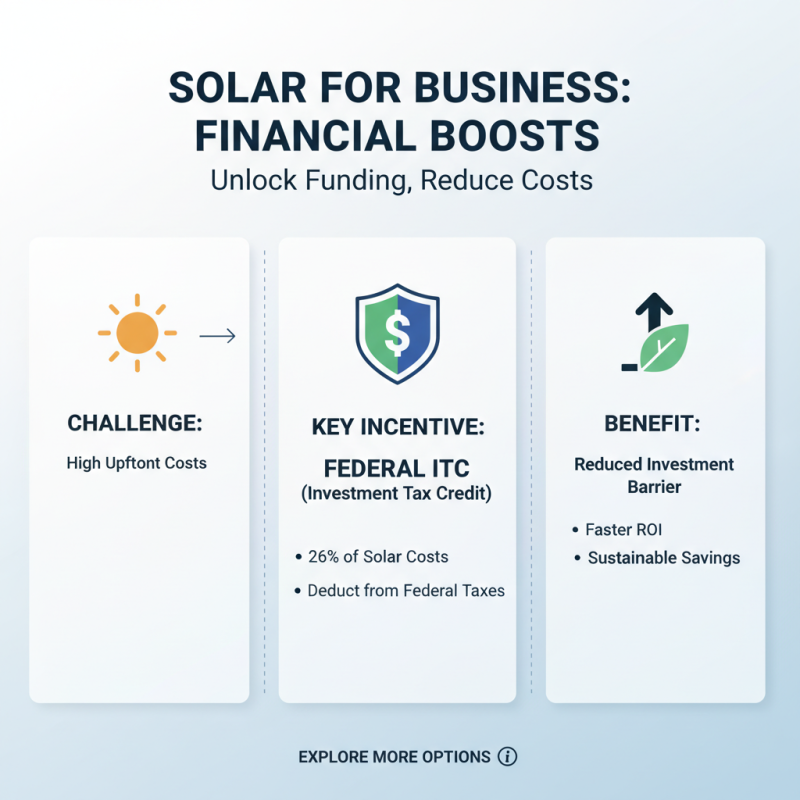
Navigating financial incentives for solar implementation can be daunting for businesses. Many programs exist to ease the upfront costs. For instance, the Federal Investment Tax Credit (ITC) allows businesses to deduct 26% of solar costs from federal taxes. This incentive significantly reduces initial investment barriers.
State and local incentives also play a crucial role. For example, many states offer grants or low-interest loans for solar projects. According to the Solar Energy Industries Association, these incentives can lead to an average savings of 30-50% on solar system costs. However, eligibility requirements change, and understanding them can be challenging.
Funding options can include partnerships with solar developers. This leads to creative financing models, reducing out-of-pocket expenses. However, businesses must ensure they thoroughly assess the terms of these partnerships. Transparency is vital to prevent future disputes. Businesses that navigate these financial waters successfully can enhance profitability through solar energy. Engaging with industry experts can facilitate informed decisions.