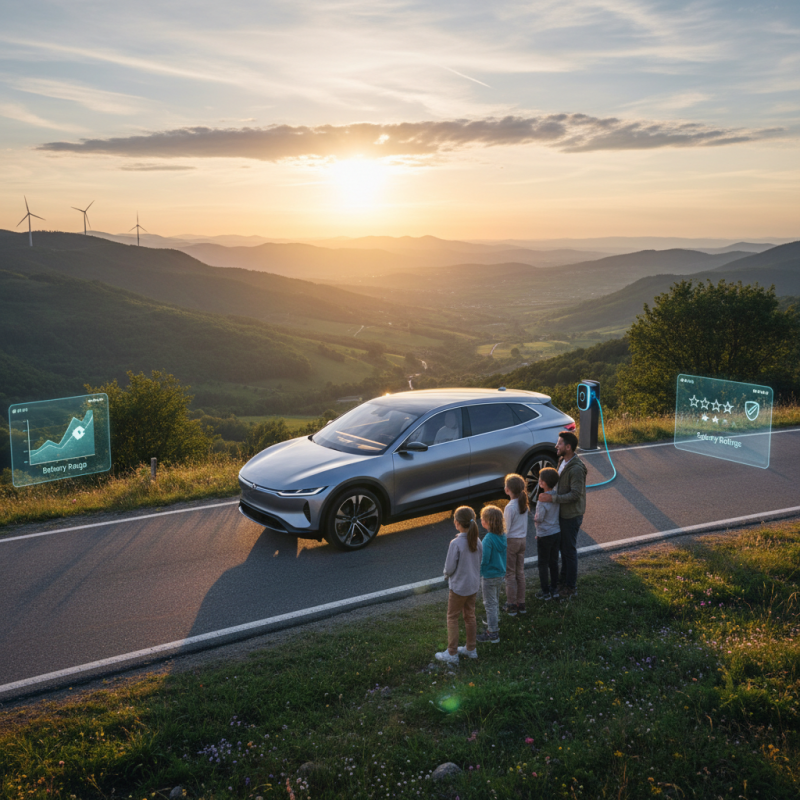
Top 5 Tips for Choosing the Best Electric SUV Car?
Choosing the right Electric Suv Car can be a daunting task. With numerous models available, each offering unique features, the decision becomes complex. Many buyers feel overwhelmed by the choices. Factors like battery range, charging options, and safety ratings influence the decision significantly.
To navigate this intricate market, it’s essential to understand your needs first. Do you prioritize eco-friendliness, tech features, or family space? Assess your typical driving patterns. It’s okay to feel confused; many buyers face this situation. The goal is to find a blend of comfort, efficiency, and style in your Electric SUV Car.
Researching credible sources and reviews is vital. Trust in expert opinions can guide your choice. However, not all reviews are equally reliable. Be cautious about the influence of marketing. The right Electric SUV Car should meet your daily needs while adhering to your values regarding sustainability.
Understanding the Electric SUV Market: Trends and Options
The electric SUV market is evolving rapidly. More consumers are drawn to these vehicles for their eco-friendliness and advanced technology. As manufacturers innovate, options expand, offering various ranges, sizes, and features. Understanding what’s available can help buyers make better choices.
Trends indicate a growing focus on longer battery life and improved charging infrastructure. Many electric SUVs now boast ranges exceeding 300 miles. This shift addresses range anxiety, a common concern among potential buyers. Charging stations are becoming more accessible, making long trips more feasible.
Despite the advances, challenges exist. Prices for electric SUVs are often higher than traditional models. Maintenance costs, though generally lower, can still add up. Buyers should consider their driving habits and needs. Researching options can sometimes feel overwhelming, but it’s worth the effort for a well-informed decision.
Top 5 Tips for Choosing the Best Electric SUV | Tip | Description | Key Factors | Example Models |
| Battery Range | Consider the total distance the SUV can travel on a single charge. | Range, Charging Time | Example Model 1, Example Model 2 |
| Charging Options | Look for fast charging capabilities and home charging solutions. | Charging Speed, Public Charging Network | Example Model 3, Example Model 4 |
| Safety Ratings | Check the safety ratings and available safety features. | Crash Test Ratings, Safety Features | Example Model 5 |
| Interior Space | Ensure there’s enough space for passengers and cargo. | Passenger Space, Cargo Capacity | Example Model 6 |
| Warranty and Incentives | Consider manufacturer warranties and government incentives. | Warranty Coverage, Tax Incentives | Example Model 7 |
Key Factors to Consider When Choosing an Electric SUV
When choosing an electric SUV, several key factors come into play. Range is critical. Most electric SUVs offer varied mileage on a single charge. Depending on your daily commute, consider how far you typically drive. If you often take longer trips, a model with a higher range is essential. Charging infrastructure also matters. Availability of charging stations near your home or workplace can significantly impact convenience.
Battery life and warranty are important to examine. A good warranty can provide peace of mind. Many manufacturers offer extensive coverage, which reflects their confidence in battery technology. Look for models with at least an eight-year battery warranty. Also, keep an eye on the technology features. Infotainment systems and safety features should be user-friendly and reliable. Interactions with these systems should enhance the driving experience, not complicate it.
Lastly, consider the interior space and comfort. Electric SUVs are often designed for utility. Rear storage and passenger room can vary widely between models. A test drive can help gauge comfort levels. Evaluate how you and your family fit in your chosen model. It’s crucial that your choice meets both your lifestyle and needs. There’s no perfect option, but being informed will lead to a better decision.
Evaluating Range and Charging Infrastructure: What You Need to Know
When choosing an electric SUV, understanding the range and charging infrastructure is crucial. A recent study by the International Energy Agency indicates that the average electric vehicle range is now around 250 miles. Choosing a vehicle with sufficient range can help avoid range anxiety during long trips. Many new models offer impressive ranges, but not all of them are created equal. Some may have a lower capacity battery, affecting their performance in varied conditions.
Charging infrastructure is another essential factor. According to the U.S. Department of Energy, there are over 100,000 public charging stations in the country. However, access to fast chargers can greatly influence your driving experience. Ideally, look for an electric SUV that can be charged quickly at public stations. Fast charging can restore about 80% of battery capacity in approximately 30 minutes.
Consider the availability of home charging options, too. For those who can install a Level 2 charger, convenience increases dramatically. However, a lack of home charging may lead to reliance on public stations, which can vary in reliability. Evaluating local charging networks is important. Understanding these factors can make the difference in your electric SUV ownership experience.
Comparison of Electric SUV Range and Charging Time
Safety Ratings and Features: Enhancing Your Driving Experience
Safety ratings and features play a crucial role in enhancing the driving experience of electric SUVs. According to the National Highway Traffic Safety Administration (NHTSA), vehicles with high safety ratings significantly reduce the risk of serious injuries in accidents. When choosing an electric SUV, look for models that have received five-star ratings. Such vehicles often include advanced safety technologies like automatic emergency braking and blind-spot monitoring, which can mitigate potential hazards.
Many consumers prioritize safety, yet the reality is some electric SUVs may fall short in this regard. A recent report from the Insurance Institute for Highway Safety (IIHS) highlighted that not all vehicles perform equally in crash tests. For example, the organization's evaluations reveal variations in passenger protection across different brands. Therefore, it is essential to research the results of crash tests and real-world performance data.
Incorporating safety features like lane-keeping assist and adaptive cruise control can enhance your overall experience. These technologies provide a sense of security and confidence. However, over-reliance on these systems can lead to complacency, which is a concern for many drivers. Always remain vigilant while on the road, even with advanced safety features at your disposal.
Budgeting for Ownership: Cost, Incentives, and Financing Options
When budgeting for an electric SUV, understanding costs is crucial. The average price of a new electric vehicle (EV) in 2023 is around $66,000. This is significantly higher than traditional gasoline vehicles, typically priced at $45,000. Buyers must consider this discrepancy when planning their budgets.
Incentives play a vital role as well. Federal tax credits can reduce the price significantly. According to a recent report by the U.S. Department of Energy, eligible buyers can receive up to $7,500 off the purchase price. Some states offer additional incentives, making the upfront cost more manageable. Buyers should conduct a thorough analysis of state-specific benefits to fully understand potential savings.
Financing options vary greatly. Many financial institutions now offer competitive interest rates for EVs compared to conventional vehicles. A study by the Electric Vehicle Association revealed that financing an electric SUV could save owners an average of $1,000 annually in fuel costs. However, potential buyers should reflect on their long-term financial strategies. Leasing may present lower monthly payments but does not build equity. Buying an EV outright, though higher initially, can lead to substantial savings over time.