Top 5 Solar Panel Innovations to Explore at 2026 Canton Fair?
As the world shifts towards renewable energy, Solar Panels have become a focal point for innovation. Experts predict significant advancements will be showcased at the 2026 Canton Fair. Dr. Emily Greene, a leading expert in solar technology, emphasizes, "The future of solar panels lies in smart integration and efficiency."
At this event, which runs from April 15 to May 5, attendees will explore groundbreaking solar panel designs. From flexible solar cells to enhanced photovoltaic materials, each innovation holds the potential to transform energy consumption. The fair promises to be a platform for entrepreneurs and manufacturers alike, encouraging discussions on the synergy between technology and sustainability.
However, as the industry evolves, challenges remain. Not all innovations are viable or scalable. Some designs may struggle in real-world applications. It is crucial to assess their practicality. As the solar panel sector grows, understanding these nuances will be essential for long-term success in the renewable energy market.
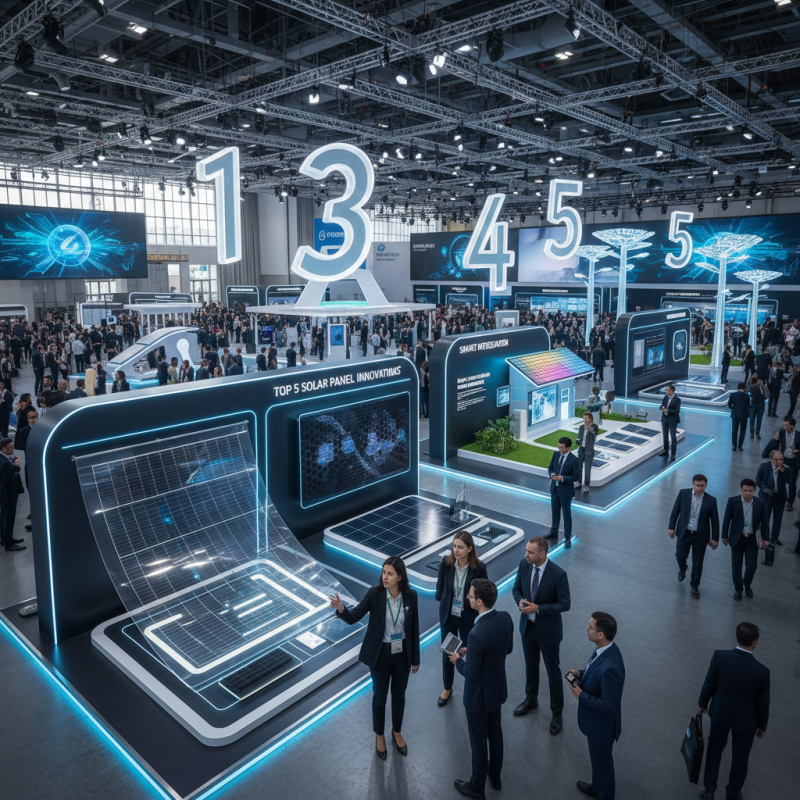
Emerging Trends in Solar Panel Technology for 2026 Canton Fair
The solar panel industry is rapidly evolving. At the 2026 Canton Fair, you'll discover innovative technologies transforming energy production. One exciting trend is the development of bifacial solar panels. These panels capture sunlight on both sides, increasing overall efficiency. This technology could greatly enhance energy generation, especially in sunny regions.
Another noteworthy innovation is transparent solar cells. Imagine windows generating electricity without obstructing views. This approach could revolutionize urban architecture and energy use in buildings. Creativity in design will play a crucial role in their adoption.
Tips: When exploring innovations, focus on the practicality of installation. Consider maintenance costs versus long-term savings. Don't overlook the environmental impact; sustainability should be a priority. Embracing new technologies can lead to unexpected challenges. Staying informed may help navigate these complex waters.
Innovative Materials Enhancing Solar Panel Efficiency and Durability
As the 2026 Canton Fair approaches, innovations in solar panel technology will take center stage. One significant focus is on materials that enhance efficiency and durability. New composites and coatings can improve energy conversion rates while protecting panels from harsh weather.
One emerging material is perovskite. It could potentially lead to lighter and more efficient panels. However, stability issues may still pose challenges. Researchers are investigating ways to enhance its longevity, ensuring that users get maximum power output over time.
Tips: When exploring new materials, consider their environmental impact. Opt for solutions that not only advance technology but also aim for sustainability. Always look for third-party evaluations to validate performance claims. Keep an eye out for innovations that address common durability concerns. The future of solar energy hinges on reliable and efficient designs.
Integration of Smart Technology in Solar Panel Systems
The integration of smart technology in solar panel systems is revolutionizing energy consumption. These advanced systems use sensors and artificial intelligence to optimize performance. They can predict weather patterns and adjust settings for maximum efficiency. Homeowners can monitor energy production in real-time through mobile applications. This feature enhances convenience and fosters energy awareness.
However, challenges remain. Data security is a significant concern. Hacking risks could compromise energy management systems. Moreover, users might find complex interfaces daunting. Education is essential. Simplifying user experiences could encourage broader adoption of these innovations. Additionally, the initial investment is high. Many potential users hesitate due to this cost barrier, even with long-term savings.
Still, these smart systems offer great promise. They can significantly reduce reliance on traditional energy sources. As technology evolves, so does the potential for energy innovation. The 2026 Canton Fair could be a turning point for showcasing solutions that tackle these issues. Attendees will likely explore how smart technology can be integrated seamlessly. This exploration could lead to a cleaner, more efficient future in energy.
Sustainability Practices in Solar Panel Manufacturing
The 2026 Canton Fair will showcase impressive innovations in solar panel technology. A key focus will be on sustainability practices in the manufacturing process. Many manufacturers are adopting eco-friendly materials. This shift aims to reduce the carbon footprint of solar panel production.
Efforts to recycle solar panels are becoming increasingly common. Manufacturers are exploring methods to reclaim materials without toxic byproducts. However, challenges remain in perfecting these techniques. The industry must address the environmental impact of disposal. Striking a balance between efficiency and sustainability poses real questions for stakeholders.
Another area of interest is energy efficiency in production. Reducing energy consumption is crucial. Some manufacturers are investigating alternative energy sources, such as solar energy itself. Yet, the transition can be costly and complex. Companies must reflect on their practices and strive for better solutions. The quest for sustainable solar panels continues, and innovation is key.
Future Applications of Solar Panels in Various Industries
The future applications of solar panels are promising across various industries. Recent reports indicate that the solar energy market is expected to reach $223 billion by 2026. This growth reflects an important shift toward sustainable energy solutions. Industries like agriculture, construction, and transportation are increasingly harnessing solar technology.
In agriculture, solar panels can power irrigation systems. They enable farmers to reduce energy costs. An innovative application is creating solar farms that work alongside crop production. Such systems improve land use efficiency while providing renewable energy. According to a study, solar-powered irrigation can cut energy costs by up to 70%.
In construction, solar panels are being integrated into building materials. This innovation allows structures to generate energy while reducing reliance on the grid. For instance, solar roof tiles blend seamlessly into architecture. Yet, challenges remain in adoption and cost-effectiveness. Many developers still hesitate due to upfront expenses.
Tips: When considering solar solutions, evaluate your local incentives. They can significantly reduce installation costs. Also, think about long-term energy savings versus initial expenditure. A holistic view can guide better choices in renewable investments.
