What is a Solar Panel for Business and How Does It Benefit Companies?
As businesses increasingly seek sustainable practices, the adoption of solar panels for business has gained momentum. According to Scott H. Miller, an expert in renewable energy, "Solar panels not only reduce costs but also enhance a company's image." This statement highlights the dual advantages of implementing solar energy solutions.
Many companies are now realizing the economic benefits of solar panel investments. They lower energy expenses significantly. Additionally, utilizing solar energy can attract eco-conscious customers. However, the initial costs of installation can be daunting. Businesses often grapple with budgeting for this sustainable transition.
The environmental impact is another crucial aspect. Solar panels for business help reduce carbon footprints. Yet, some organizations might struggle to visualize their long-term benefits in a competitive market. Balancing immediate financial concerns with future gains requires careful planning and consideration.
Definition and Functionality of Solar Panels in Business Settings
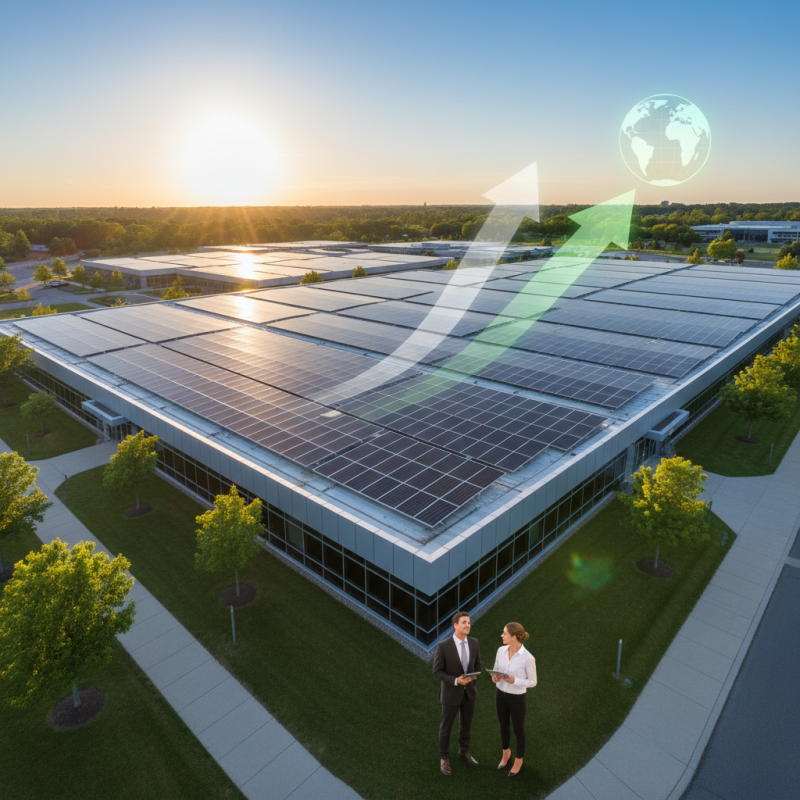
Solar panels are systems that convert sunlight into electricity. In a business setting, they provide a sustainable energy source. Businesses can reduce their reliance on traditional power sources. This shift often leads to lower energy costs over time. Many companies find that installing solar panels can enhance their corporate image. They show commitment to sustainability and environmental responsibility.
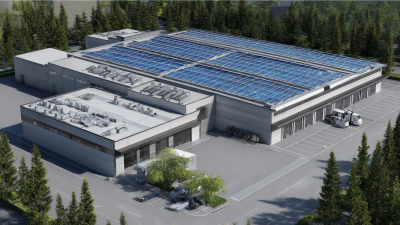
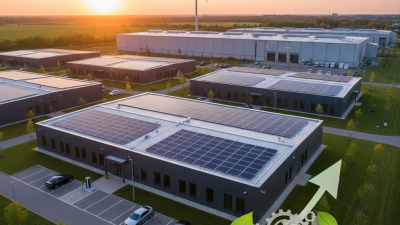
The functionality of solar panels is relatively straightforward. They absorb sunlight and convert it to energy through photovoltaic cells. Solar panels can be installed on rooftops or on the ground. Proper placement is crucial for maximum efficiency. However, the initial cost can be a barrier. Not every business can justify the upfront investment. It requires careful planning and consideration of long-term benefits.
Some companies report inconsistent energy production due to weather fluctuations. This uncertainty can lead to challenges in energy management. Regular maintenance is also necessary to ensure optimal performance. Businesses must stay informed about their solar systems. They must adapt their energy strategies as needed. Solar panels offer many advantages but are not without potential drawbacks.
Financial Savings and Return on Investment from Solar Energy
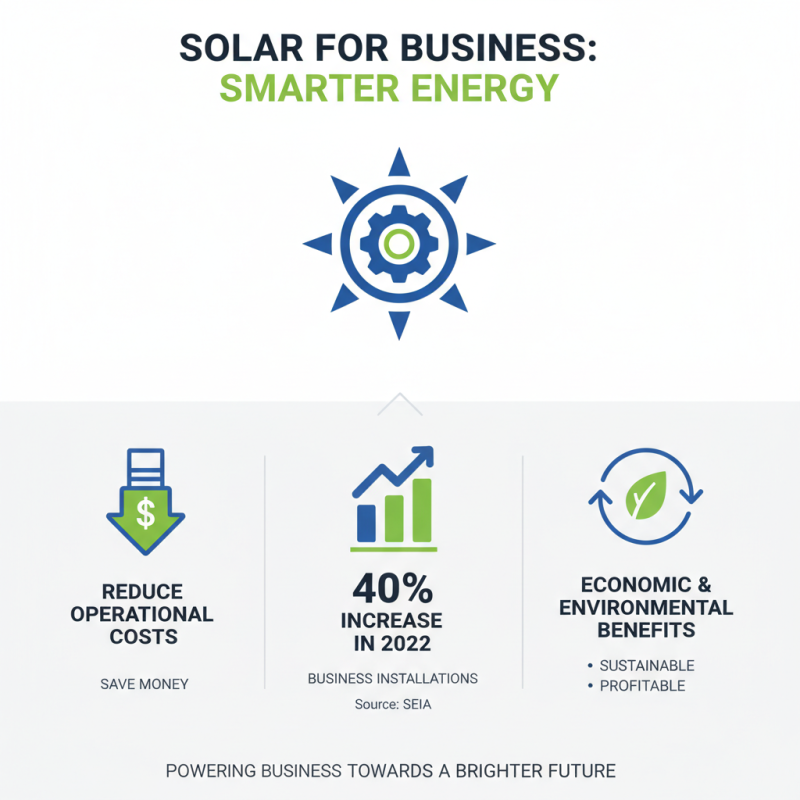
Solar energy presents a significant opportunity for businesses looking to reduce costs. Companies that switch to solar panels can save considerably on electricity bills. According to the U.S. Department of Energy, businesses can save an average of $20,000 over 20 years by investing in solar energy. This shift not only cuts costs but also stabilizes long-term expenses.
The return on investment (ROI) for solar energy systems is compelling. On average, companies see an ROI of 10-30%. This percentage can vary based on factors like location and energy needs. Notably, many companies recoup their initial investment within 5 to 7 years. However, some firms face challenges in financing these projects, and careful planning is essential.
Moreover, businesses adopting solar energy often enhance their sustainability profile. More than 70% of consumers prefer to buy from environmentally responsible companies. Investing in solar energy can improve brand image and attract eco-conscious clients. Yet, as enticing as these benefits are, businesses must also consider the installation and maintenance aspects of solar technology. Not every installation goes smoothly, and costs can sometimes exceed initial estimates.
What is a Solar Panel for Business and How Does It Benefit Companies? - Financial Savings and Return on Investment from Solar Energy
| Aspect |
Value/Description |
| Initial Investment |
$15,000 - $50,000 (depending on system size) |
| Average Annual Savings |
$1,000 - $15,000 |
| Payback Period |
4 - 8 years |
| Return on Investment (ROI) |
20% - 30% over 20 years |
| Carbon Footprint Reduction |
10,000 - 50,000 lbs CO2 per year |
| Tax Incentives |
Federal Investment Tax Credit (ITC) up to 26% |
Environmental Impact and Corporate Sustainability through Solar Power
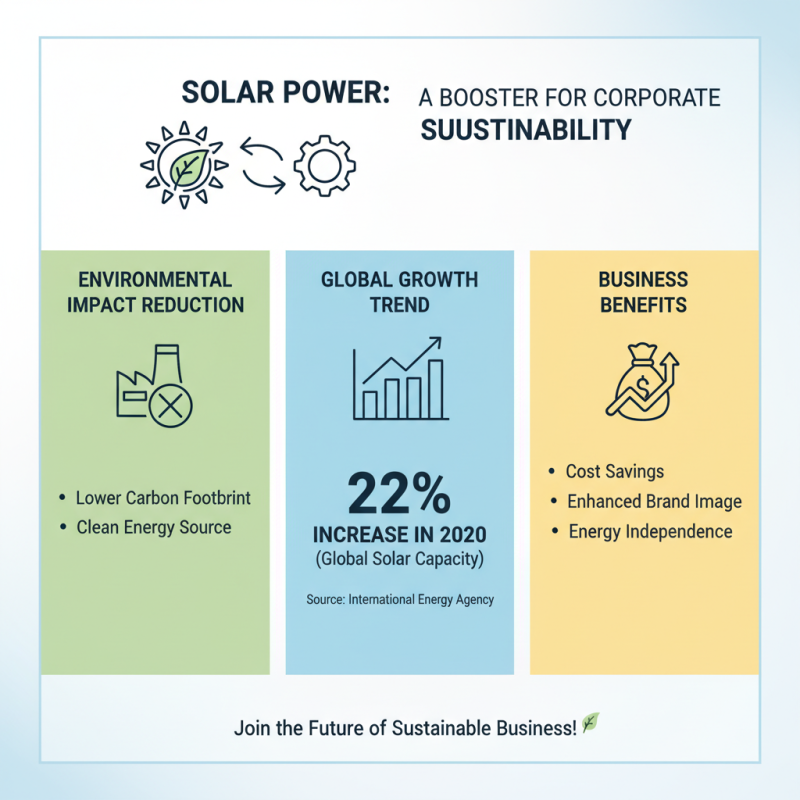
Solar power plays a crucial role in corporate sustainability. Companies are increasingly recognizing the environmental impact of their operations. In fact, according to the International Energy Agency, solar energy capacity grew by 22% in 2020 alone. This shift demonstrates how businesses can reduce their carbon footprint effectively.
Implementing solar panels can dramatically lower greenhouse gas emissions. A report from the Solar Energy Industries Association states that a typical commercial solar power system can offset approximately 100,000 pounds of CO2 annually. This reduction not only benefits the environment but also enhances a company's public image. Consumers today prefer eco-friendly brands. In a survey, 73% of millennials indicated they were willing to pay more for sustainable products.
Transitioning to solar power isn’t without its challenges. Initial installation costs can be high, which may deter some businesses. However, many states offer tax incentives, making solar more accessible. Companies need to reflect on these aspects as they pursue sustainability. While the benefits are clear, the road to implementation requires careful planning and investment.
Factors to Consider when Installing Solar Panels for Your Business
When considering solar panels for your business, there are key factors to evaluate. Start with the location of your building. Is there enough sunlight? Trees, neighboring buildings, and roof pitch can affect efficiency. A clear analysis can help you maximize the sun's potential.
Next, think about the size of the system you need. Calculate your energy consumption accurately. A system that's too small won’t meet your needs. An oversized system can lead to wasted resources. Don’t forget to consider local regulations. Permits can take time, and improper filing could stall your project.
Budget is another crucial aspect. Initial costs can be high, but long-term savings are significant. Evaluate financing options carefully. Additionally, assess the impact on your company’s image. Going green can enhance your reputation, but it might not appeal to everyone. Balancing these factors is essential for a successful installation.
Annual Energy Savings from Solar Panels for Businesses
This bar chart illustrates the estimated annual energy savings in dollars for various business sectors adopting solar panels. Companies in the manufacturing sector see the highest savings, which highlights the financial benefits of solar energy investments.