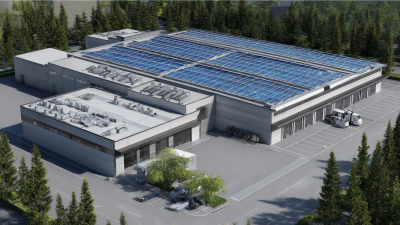
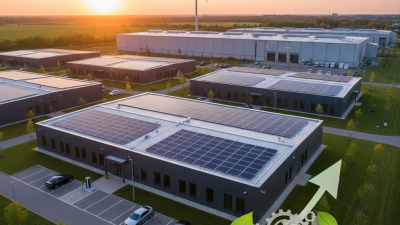
What is a solar panel for business and how does it benefit companies?
As businesses seek sustainable solutions, the interest in solar panel for business continues to rise. These panels harness sunlight to provide energy. This transition can significantly reduce energy costs. Organizations are increasingly looking for ways to save money and improve their carbon footprint. Solar energy stands out as a viable option.
Implementing solar panels often leads to immediate financial benefits. Companies can enjoy lower electricity bills and even sell excess power back to the grid. However, the initial investment may seem daunting. Many businesses struggle with this upfront cost. It’s important to evaluate the long-term savings against the initial expenses.
Additionally, adopting solar technology enhances a company’s image. Customers appreciate businesses that prioritize sustainability. However, not all solar panel installations are perfect. Some may face technical challenges or maintenance issues. Reflecting on these factors is crucial for informed decisions about going solar.
Definition of Solar Panels for Business Applications
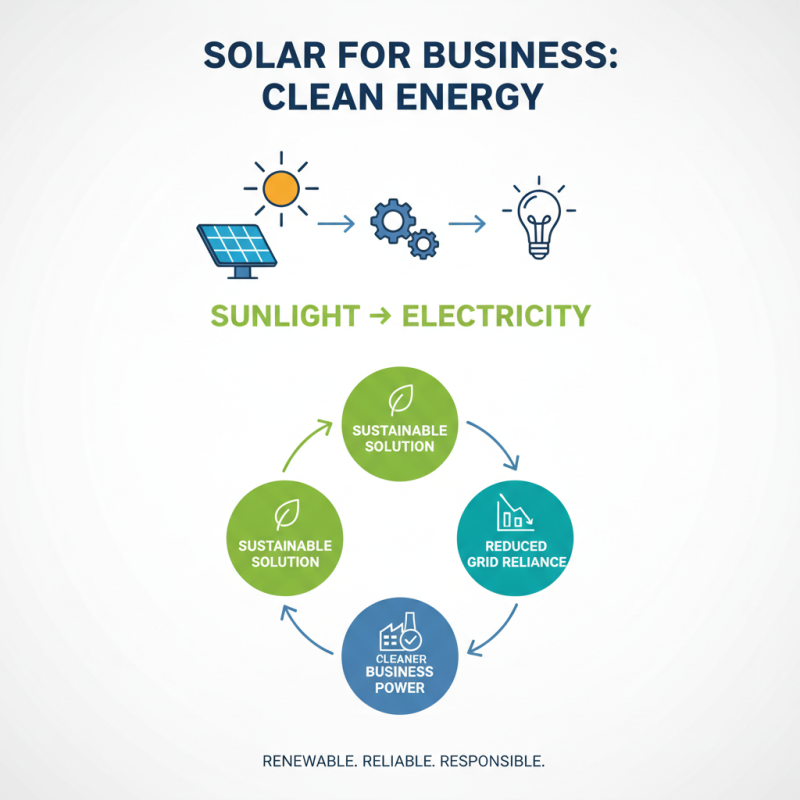
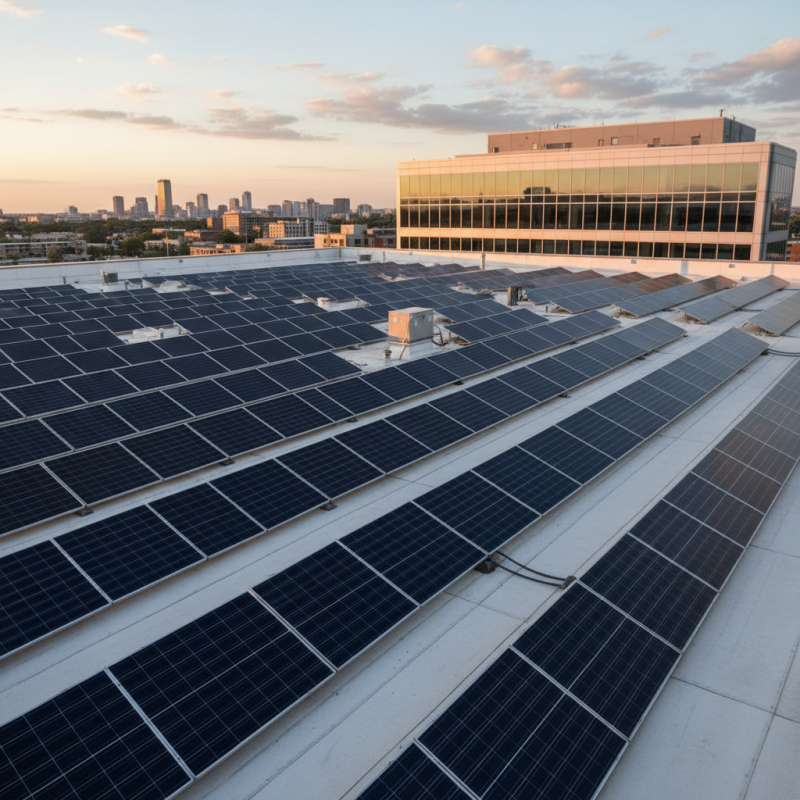
Solar panels for business applications are a sustainable energy solution. They convert sunlight into electricity. This renewable energy source reduces reliance on traditional power grids. Many businesses see a need for cleaner energy options.
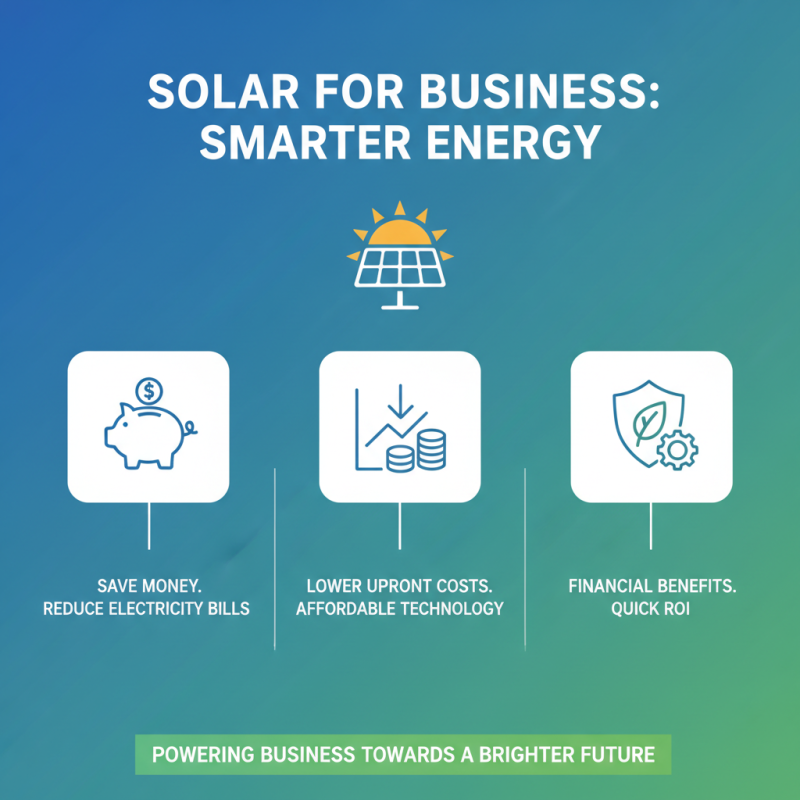
Benefits include lower electricity bills. Companies can save significant costs over time. Solar panels often come with tax incentives. These financial benefits help offset initial installation costs. Employees and customers value eco-friendly practices. Thus, sustainability can enhance a business’s image.
Tips: Evaluate your energy needs before installation. Assess your roof or property space. Consider potential solar exposure. It’s important to consult with professionals. Regular maintenance is needed for optimal performance. Solar systems might not work perfectly in all locations. Businesses should weigh these factors carefully. Engaging in thorough research will lead to informed decisions.
How Solar Panels Work: A Basic Overview for Companies
Solar panels are essential for businesses looking to reduce energy costs and promote sustainability. These panels capture sunlight and convert it into electricity. Solar energy is abundant and renewable. Businesses can harness this energy to power their operations. It's a straightforward process, yet it requires careful planning.
When sunlight hits the solar panel, it generates direct current (DC) electricity. This DC energy is then converted to alternating current (AC) electricity through an inverter. AC electricity is what most businesses use. It can power everything from lights to machinery. Many companies find this transition beneficial, despite the upfront costs.
The installation of solar panels can lead to significant savings over time. Companies often see a reduction in their energy bills, which can free up funds for other initiatives. However, some businesses face challenges in assessing their energy needs accurately. This could lead to over- or under-sizing the system. Regular maintenance is also necessary to ensure efficiency. Balancing costs and benefits requires thoughtful consideration.
Key Benefits of Solar Energy for Businesses
Solar energy is gaining traction among businesses. The use of solar panels offers significant benefits. One key advantage is cost savings. Companies can reduce their electricity bills. This leads to better profit margins. In the long run, solar energy can pay for itself through lower utility expenses.
Another benefit is sustainability. Businesses can enhance their green reputation. This attracts eco-conscious customers. Companies committed to sustainable practices often experience brand loyalty. Employees also appreciate working for environmentally-friendly companies. This boosts morale and productivity.
Tips: Consider starting small. Evaluate your energy needs before investing. Look for rebates and incentives available in your area. Not every business is ready for a full solar installation. It’s okay to take gradual steps toward renewable energy.
Moreover, the initial investment can feel daunting. Businesses must analyze their budgets. Not every location is suitable for solar panels. Weather patterns and sunlight exposure vary. This requires careful planning and research. Even with challenges, the long-term benefits are substantial.
Financial Implications: Cost Savings and Incentives for Companies
Businesses today are increasingly turning to solar panels. These systems offer significant financial benefits. Companies can achieve impressive cost savings by reducing electricity bills. With the decreasing costs of solar technology, initial investments are more manageable.
Tax incentives play a crucial role. Many regions offer rebates and tax credits for solar panel installations. These incentives can offset installation costs, making solar more attractive. However, some companies still hesitate. They worry about the upfront costs and return on investment. Each business must evaluate its unique situation.
In addition to financial benefits, solar panels enhance sustainability. Companies demonstrate commitment to environmental practices. Yet, not all businesses see immediate benefits. The variability in energy production can be a concern. Balancing costs and savings requires careful planning.
Environmental Impact and Corporate Sustainability through Solar Energy
Solar energy is reshaping how businesses approach sustainability. A recent report indicates that companies adopting solar panels can reduce carbon emissions by over 50%. This significant impact demonstrates a commitment to corporate responsibility. Businesses are increasingly viewed through the lens of their environmental footprint. Investing in solar energy helps improve brand image.
The financial benefits complement the environmental gains. According to research, organizations that switch to solar energy can save up to 75% on electricity costs. These savings can be redirected toward innovation and development. However, the initial investment in solar technology can be daunting. Not all businesses can afford these up-front costs.
Furthermore, integrating solar solutions requires planning and strategy. Some companies struggle with implementation. It's essential to have a clear understanding of local regulations and available incentives. Despite these challenges, the long-term benefits can outweigh the hurdles. Solar energy presents a path toward a more sustainable future, but it is not without its complexities. Companies must navigate these issues carefully.
What is a solar panel for business and how does it benefit companies? - Environmental Impact and Corporate Sustainability through Solar Energy
| Benefit Category |
Description |
Estimated Annual Savings ($) |
CO2 Emissions Reduced (tons) |
Payback Period (Years) |
| Cost Savings |
Reduced electricity bills through self-generated solar power. |
$10,000 |
5 |
5 |
| Tax Incentives |
Federal and state tax credits available for solar installation. |
$15,000 |
3 |
4 |
| Sustainability |
Improvement in corporate image and commitment to sustainability. |
N/A |
12 |
N/A |
| Energy Independence |
Decreased dependence on external energy suppliers. |
N/A |
10 |
N/A |
| Long-term Investment |
Solar panels increase property value and provide long-term returns. |
$20,000 |
8 |
6 |