Top Solar Monitoring System Benefits and Features You Should Know?
In the rapidly evolving world of renewable energy, the importance of a solar monitoring system can't be overstated. As noted by Dr. Sarah Goldstein, a leading expert in solar energy technologies, "Effective monitoring is key to maximizing solar system performance." This highlights the fundamental role of monitoring in optimizing solar energy use.
A solar monitoring system allows users to track energy production in real time. It helps identify inefficiencies and operational issues. For example, a sudden drop in output can indicate a malfunction. Being able to respond quickly is crucial for maintaining system health. In addition, these systems often provide detailed reporting, enhancing transparency for users.
However, not all solar monitoring solutions are created equal. Some may lack key features, leading to incomplete data. Users might overlook critical insights without the right tools. This lack of visibility can impact solar efficiency. It's essential to choose a reliable system with comprehensive monitoring capabilities. Investing time in research can lead to notable long-term benefits.
Key Benefits of Solar Monitoring Systems for Homeowners
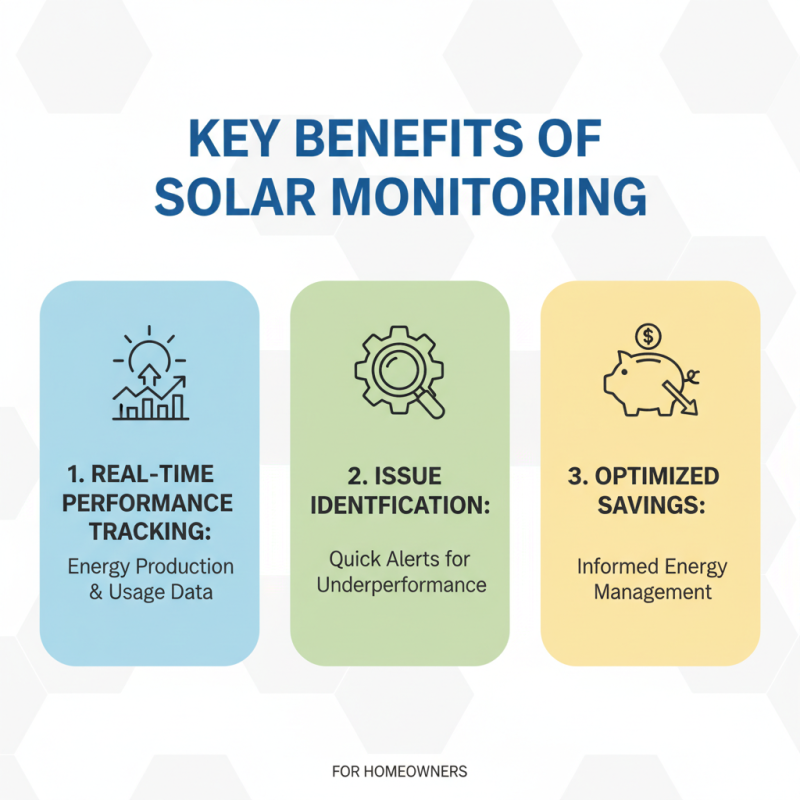
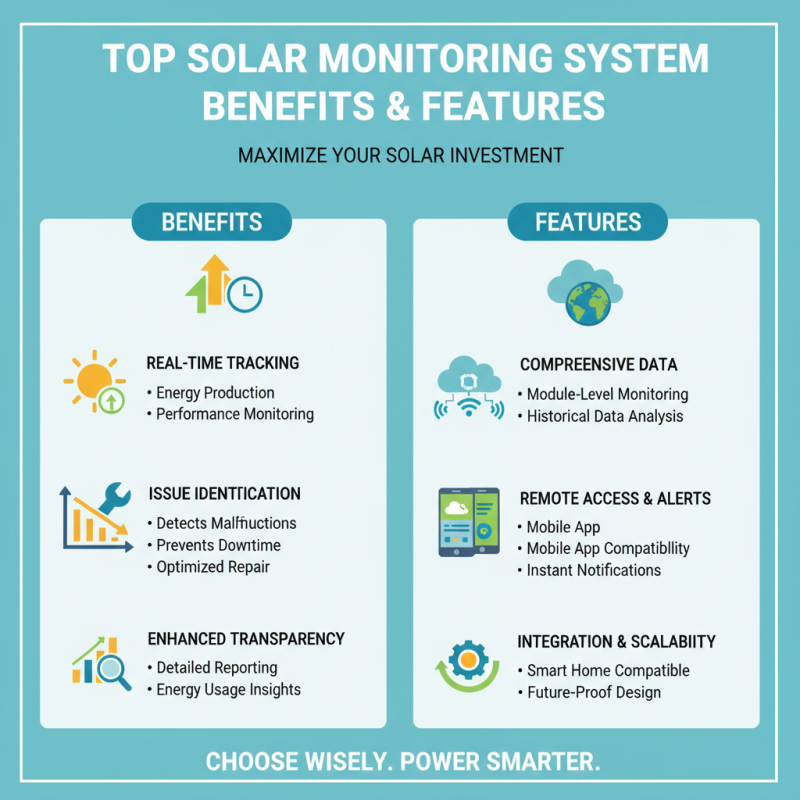
Solar monitoring systems offer numerous advantages for homeowners. One of the key benefits is real-time performance tracking. Homeowners can access data on energy production and usage at any time. This transparency helps identify issues quickly. For instance, if your solar panels are underperforming, you can take action sooner.
Another important feature is energy efficiency optimization. These systems provide insights into how much energy you are producing. By analyzing this data, you can adjust your energy consumption habits. For example, using appliances during peak production hours can maximize savings. This knowledge empowers homeowners to make informed decisions.
Reliability is another noteworthy aspect of solar monitoring systems. By having alerts for maintenance needs or system failures, homeowners can avoid costly downtime. However, remember that not all monitoring systems offer the same level of detail. It's essential to review and compare options. Consider what information matters most to you to ensure you choose effectively.
Essential Features to Look for in a Solar Monitoring System
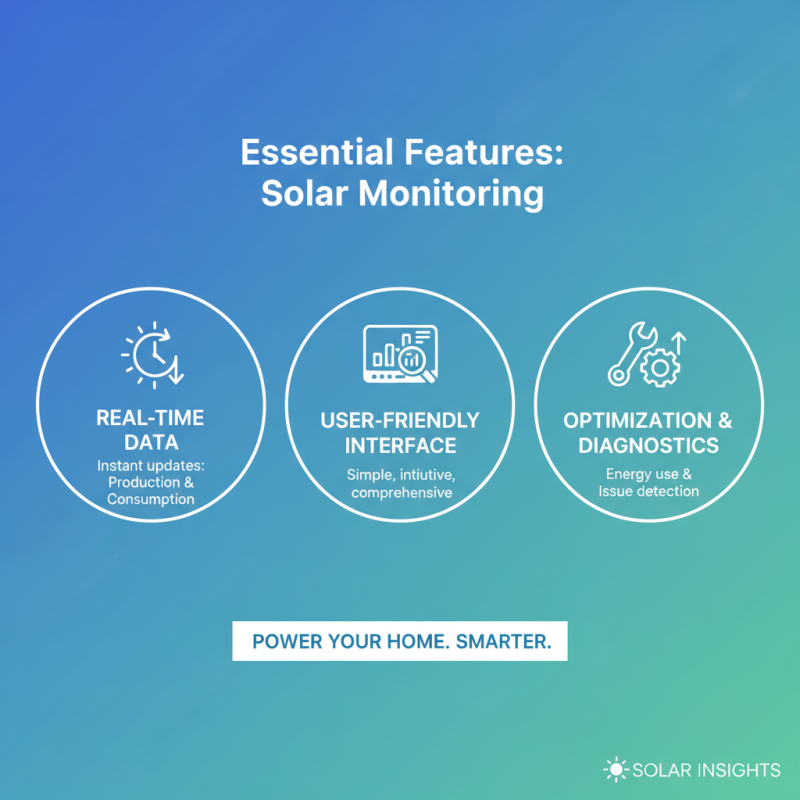
When selecting a solar monitoring system, several essential features stand out. Real-time data tracking is crucial. Users should receive instant updates on energy production and consumption. This transparency helps optimize energy use and identify potential issues quickly. A user-friendly interface enhances the experience. It should be simple enough for anyone to understand, yet comprehensive in the information it provides.
Another vital feature is the ability to set alerts. Notifications about production dips or system faults can save money in the long run. These alerts can help owners respond immediately, avoiding larger problems later. Historical data analysis is also important. Analyzing trends over time can reveal patterns that inform better energy management. As users reflect on performance, they gain insights into their system's efficiency.
Integration possibilities matter too. A good solar monitoring system should connect with smart home devices or other energy management systems. This adaptability can enhance overall energy efficiency. Sometimes, users may find themselves overwhelmed by too much data or complex analyses. The challenge becomes sifting through information to make effective decisions. Balancing detail with clarity is vital for an effective monitoring approach.
How Solar Monitoring Enhances System Efficiency and Performance
Solar monitoring systems play a crucial role in optimizing solar energy usage. By providing
real-time data, these systems allow users to track energy production and consumption closely.
For example, users can see how much energy their solar panels generate daily. This visibility helps identify patterns and potential issues that may arise over time.
Enhancing system performance is another vital benefit. Solar monitoring systems can detect inefficiencies or malfunctions quickly.
Notifications about dips in performance can prompt immediate action, minimizing downtime. For instance, if a panel is underperforming, maintenance can be scheduled
before it affects energy output significantly. However, relying solely on these systems may lead some to overlook regular manual inspections.
Additionally, user engagement increases when they can visualize their energy production. Many systems offer graphical user interfaces
that make data accessible. Users can monitor solar output anytime. While this convenience fosters a deeper understanding, it may lead to overconfidence in
the technology’s reliability. Balancing technology with proactive maintenance is essential for sustaining optimal performance in the long run.
The Role of Real-Time Data in Solar Energy Management
Real-time data plays a crucial role in solar energy management. It provides insights that help optimize performance and efficiency. By tracking energy production and consumption minute by minute, users can identify trends and anomalies. This immediate feedback allows for better decision-making and quicker responses to issues, such as system malfunctions or drops in energy generation.
Continuous monitoring can reveal valuable patterns over time. For instance, solar panels may perform differently in varied weather conditions. Recognizing these variations enables adjustments to maximize output. However, it's essential to consider that reliance on real-time data can also lead to overreaction. Users may become focused on short-term fluctuations instead of long-term performance.
Moreover, understanding data requires expertise. Users must be educated on interpreting graphs and metrics. This can be overwhelming for some, leading to misinterpretation. Relying solely on technology without proper training may hinder effective management. Real-time data is powerful, but it is only as useful as the understanding behind it. Balancing technology with human insight is key for effective solar energy management.
Solar Energy Monitoring System Performance Data
This chart illustrates the energy produced by a solar monitoring system throughout the year. Real-time data is essential for optimizing energy management and ensuring the efficiency of solar energy systems.
Understanding the Cost Savings from Effective Solar Monitoring
Effective solar monitoring systems can lead to substantial cost savings for homeowners and businesses alike. According to a report by the National Renewable Energy Laboratory (NREL), well-monitored solar energy systems yield up to 20% more energy than systems that lack monitoring. This is due to the ability to detect issues in real-time. Early intervention can prevent larger problems, ultimately saving on repair costs.
In addition to enhancing energy output, these systems also help users track their energy consumption patterns. A study from the Solar Energy Industries Association (SEIA) found that users who monitored their solar energy consumption saved approximately $1,200 annually. Real-time data allows for better energy management and reduces waste. However, the initial investment in a quality monitoring system can be daunting for some. Balancing upfront costs against long-term savings requires careful consideration.
Despite the clear benefits, some users experience challenges in data interpretation. Not everyone is adept at reading complex energy reports. Thus, ongoing education and support in monitoring practices are essential. Effective communication from service providers can empower users to make decisions that maximize their savings. Understanding how to utilize monitoring data fully is key to harnessing its potential fully.