What is Solar Energy for Home Use and How Does It Work?
Solar energy for home use is transforming how we power our living spaces. According to the Solar Energy Industries Association, the residential solar market saw a growth of over 35% in the past year alone. More homeowners are recognizing the potential to harness sunlight for energy. This not only reduces electricity bills but also contributes to a sustainable future.
John Miller, a well-known renewable energy expert, stated, "Embracing solar energy for home use is not just an option; it’s a necessity." Many homes are now equipped with solar panels, providing a renewable energy source. However, challenges remain. High upfront costs and installation complexities discourage some homeowners.
Understanding how solar energy works is vital for those considering this investment. Solar panels convert sunlight into electricity, which can power everything from lights to appliances. But the initial setup can be daunting. It's essential to weigh the benefits against the challenges. Solar energy for home use holds great promise, yet it is not without its hurdles.
What is Solar Energy and Its Importance for Home Use
Solar energy is becoming increasingly important for home use. It offers an alternative to conventional energy sources. Using sunlight to generate electricity can help reduce utility bills and environmental impact. Solar panels capture sunlight and convert it into usable power. This process can significantly lower dependence on fossil fuels.
Homeowners can benefit from solar energy in various ways. It reduces greenhouse gas emissions, contributing to a cleaner environment. Installing solar panels can enhance property value, but not all homes are suitable for this technology. Factors like roof orientation and shading play a role. Some people may find the initial investment daunting, but incentives and long-term savings often offset costs.
Exploring solar energy means understanding its capabilities and limitations. It's not a one-size-fits-all solution. Each household must assess its energy needs and potential for solar power. Regular maintenance is required for optimal performance. Weather conditions also affect energy production. Therefore, while solar energy is promising, it requires careful planning and consideration.
Understanding the Basics of Solar Energy Technology
Solar energy for home use harnesses the sun's power, providing a renewable energy source. It offers various technologies, primarily solar panels and solar thermal systems. According to the National Renewable Energy Laboratory, solar energy installations reached over 97 gigawatts in the U.S. by 2023. This number reflects the growing interest in sustainable energy solutions.
Solar panels convert sunlight into electricity. Photovoltaic cells in the panels play a crucial role. They absorb sunlight, creating direct current (DC) electricity. An inverter then converts this to alternating current (AC), usable in homes. Solar thermal systems, on the other hand, use sunlight to heat water. This option is ideal for heating needs or swimming pools.
Tips: Consider your local weather patterns before installation. Some areas may receive less sun, affecting efficiency. Assess your energy needs accurately. Oversizing your system might lead to unnecessary costs. Investing in solar energy can be beneficial, but research is key. Understanding these technologies will help you make informed decisions about your energy future.
Monthly Solar Energy Production vs. Consumption
This chart compares the solar energy production and consumption for a typical household over the course of a year. The first dataset illustrates how much energy is produced by solar panels each month, while the second dataset shows the energy consumed by the household during the same months. This visualization helps in understanding the efficiency and feasibility of using solar energy as a primary power source at home.
How Solar Panels Convert Sunlight into Electricity
Solar energy is rapidly transforming how homes source electricity. One key component of this system is solar panels. These panels convert sunlight into usable electricity through a process called the photovoltaic effect. When sunlight hits the silicon cells in the panels, it excites electrons, creating an electric current. This is a fascinating yet imperfect process. Efficiency rates usually range from 15% to 22%, implying a significant amount of sunlight is not converted.
To further understand the impact, consider this: a typical home solar system can produce around 10,000 kilowatt-hours of electricity annually, depending on the location. This is substantial. However, energy output can vary due to factors like shading, panel orientation, and local weather. In some cases, homes may not produce enough energy year-round. Reports indicate that nearly 30% of potential energy is lost due to inefficiencies and environmental factors.
As energy needs grow, the demand for effective solar solutions increases. Homeowners must weigh their energy requirements and the potential for solar energy. Balancing these can be challenging. Yet, the promise of reduced utility bills and lower carbon footprints incentivizes many to invest in solar energy. It is a promising solution, but careful planning is essential.
Benefits of Using Solar Energy for Residential Homes
Solar energy is a powerful resource for residential homes. It harnesses sunlight through solar panels, converting it into electricity. Homeowners can install these panels on rooftops or in yards. This clean energy can significantly reduce electricity bills. It also offers independence from rising utility costs. Imagine saving hundreds of dollars each year while helping the environment.
Moreover, solar energy is sustainable. It reduces reliance on fossil fuels, decreasing greenhouse gas emissions. This shift not only benefits individual homes but also contributes to a healthier planet. Some might worry about initial installation costs. However, many incentives and financing options can ease this burden. Over time, the savings on energy bills often outweigh the initial investment.
It can be challenging to choose the right system. Not all homes may have the perfect conditions for solar panels. Factors such as roof orientation and shading can affect efficiency. This requires careful planning and consideration. Some homeowners might feel overwhelmed by the choices. Yet, with the right information and support, transitioning to solar can be rewarding. Embracing solar energy may initially seem daunting, but the long-term benefits can be substantial.
What is Solar Energy for Home Use and How Does It Work? - Benefits of Using Solar Energy for Residential Homes
| Feature |
Description |
Benefits |
| Cost Savings |
Solar panels convert sunlight into electricity, reducing reliance on grid power. |
Lower electricity bills and potential tax incentives. |
| Environmental Impact |
Solar energy is a clean and renewable resource. |
Reduces carbon footprint and pollution. |
| Energy Independence |
Solar systems provide a reliable source of energy. |
Less dependency on fossil fuels and fluctuating energy prices. |
| Increase Property Value |
Homes with solar systems can be more appealing to buyers. |
May increase home resale value significantly. |
| Low Maintenance |
Solar systems are generally low maintenance once installed. |
Save on repair costs and enjoy reliable energy production. |
Factors to Consider When Installing Solar Energy Systems
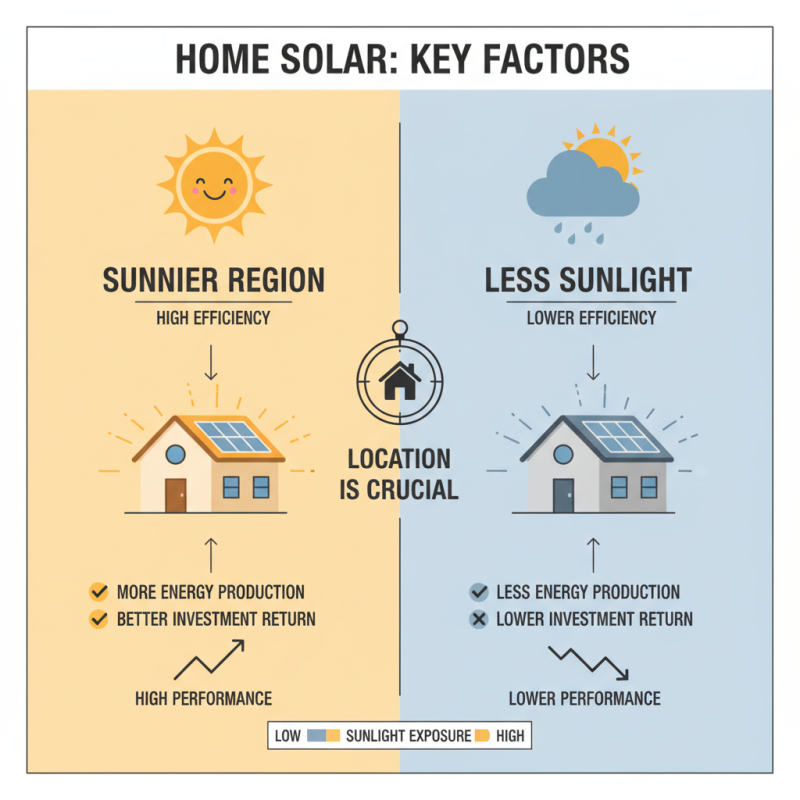
When considering installing solar energy systems for home use, several key factors come into play. Location is crucial. The amount of sunlight your area receives directly affects energy production. Homes in sunnier regions will see better performance. Less sunlight means lower efficiency, which can impact your investment.
Another important factor is roof space. Solar panels require ample area for installation. If your roof is shaded by trees or other buildings, this can hinder performance. Ensure your roof is suitable before making decisions. Evaluate its condition too; old roofs may need repairs or replacements.
**Tips:** Conduct a site assessment to find the best panel placement. Consult with a professional for a comprehensive evaluation of your property. Explore incentives available in your area. They can alleviate some costs.
Additionally, consider your energy needs. Assess your monthly usage. This will guide how many panels you need. Calculate potential savings to weigh the benefits. Remember, solar energy is an investment that pays off over time. It’s not just about the sun; it’s about making informed decisions.