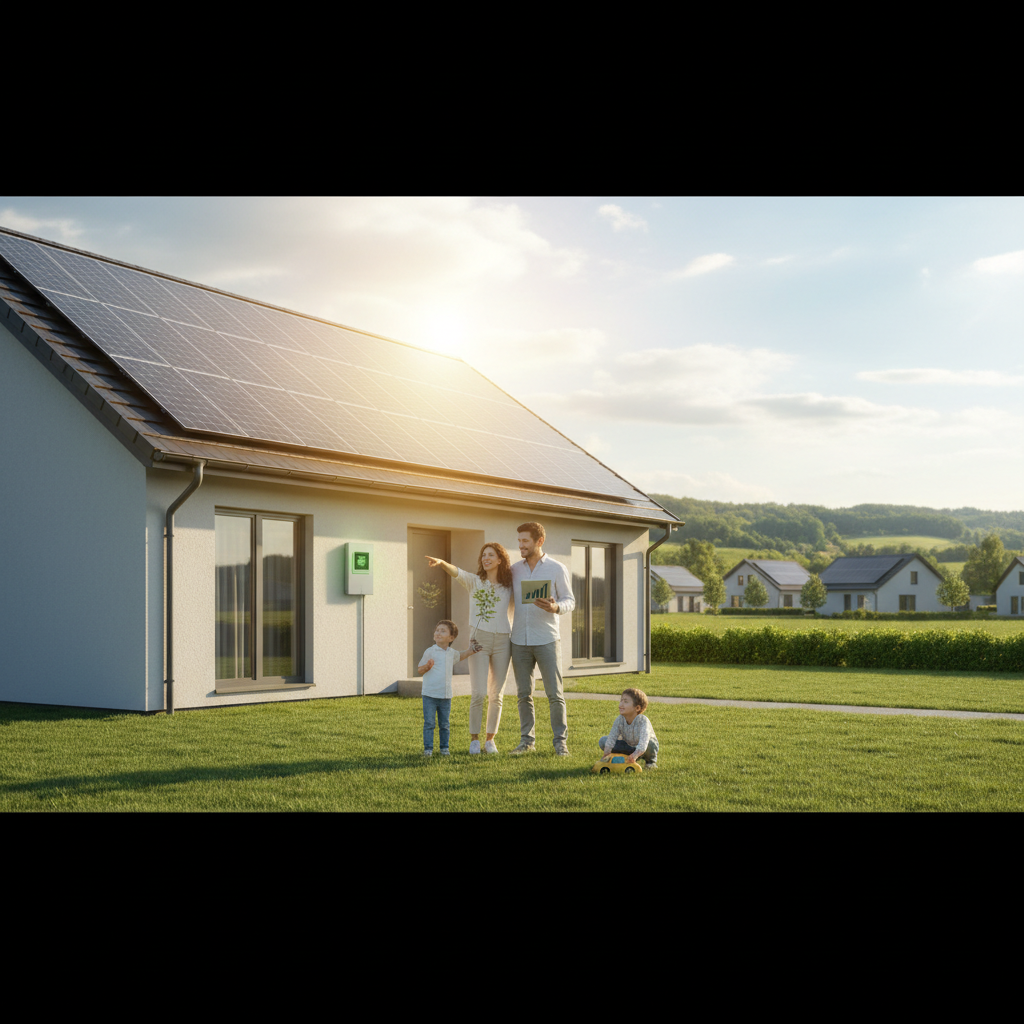
As we advance into 2023, the importance of harnessing solar energy for home use cannot be overstated. With increasing energy costs and growing environmental concerns, homeowners are seeking innovative ways to reduce their carbon footprint while maximizing energy efficiency. By integrating solar energy solutions into their residences, individuals not only contribute to a more sustainable future but also reap significant financial benefits through reduced utility bills and potential tax incentives.
In this article, we will explore the top ten essential tips for maximizing solar energy for home applications. Whether you are considering the installation of solar panels or looking to optimize your existing system, these insights will provide you with valuable information to enhance your solar energy experience. From understanding the best placement for solar panels to exploring energy storage options, these strategies aim to empower homeowners to make informed decisions that align with their energy goals. Embrace the potential of solar energy for home use and discover how you can transform your living space into an energy-efficient haven.
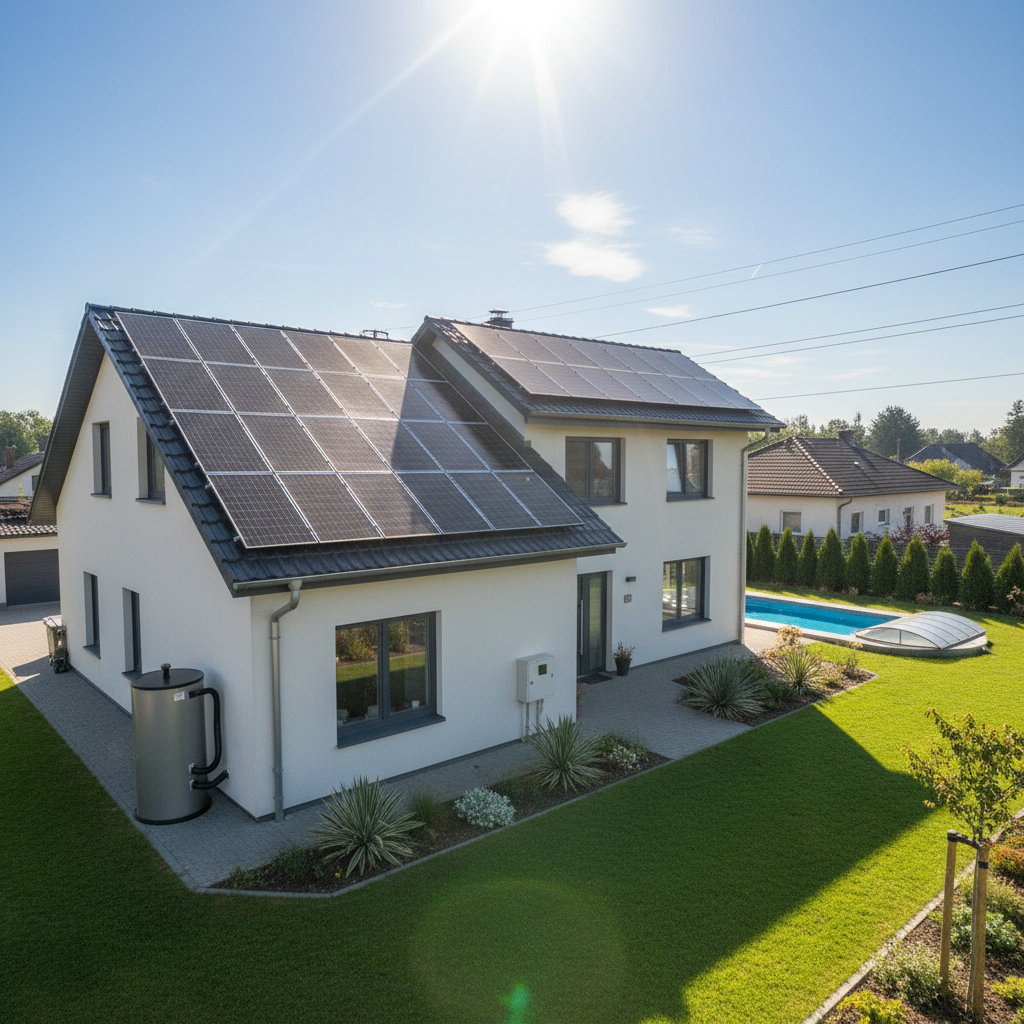
As homeowners increasingly turn to solar energy to power their residences, understanding the fundamentals becomes essential. Solar energy harnesses the power of the sun, converting sunlight into electricity through photovoltaic cells. According to the U.S. Department of Energy, solar energy production in the U.S. has grown by over 420% since 2010, demonstrating the technology’s rapid advancement and widespread acceptance. This exponential increase indicates not only greater efficiency but also cost reductions associated with solar panel installation—making it a viable option for more homeowners in 2023.
One of the critical aspects of maximizing solar energy is comprehending how solar systems work in conjunction with environmental conditions and home energy needs. The National Renewable Energy Laboratory reports that solar panels can generate electricity, even on cloudy days, although efficiency might diminish. Homeowners should consider their geographical location, roof orientation, and shading from surrounding structures to optimize energy production. Additionally, with advances in battery storage technology, homeowners can now store excess energy generated during peak sunlight hours, allowing them to utilize solar power even after the sun sets. This dual approach not only enhances energy independence but also contributes to overall sustainability efforts in the residential sector.
When choosing the right solar panel system for maximum efficiency in 2023, it is essential to consider not only the type of solar panels but also their efficiency ratings. High-efficiency solar panels can significantly impact your long-term savings, with some reports indicating that selecting these panels can lead to savings upwards of $3,600 over the system's lifetime. Factors such as materials, technology, and design all play a crucial role in determining how effectively a solar panel converts sunlight into usable energy.
Moreover, as advancements in solar technology continue to unfold, the market for solar panels is becoming increasingly competitive. With the introduction of models that boast exceptional efficiency ratings, homeowners should be informed about the options available. The most efficient models currently lead the market, highlighting an ongoing trend towards greater performance and reliability. Engaging with expert reviews and efficiency comparisons can help consumers make informed decisions, ensuring they choose a system that meets both their energy needs and financial expectations. Proper research and understanding of solar panel offerings are essential steps towards achieving optimal energy output and sustainability for your home.
In 2023, integrating smart technology into home solar energy systems has become crucial for optimizing efficiency and maximizing energy savings. According to a report by the National Renewable Energy Laboratory (NREL), homes equipped with smart energy management systems can improve their solar electricity usage by up to 30%. These systems allow homeowners to monitor energy production and consumption in real-time, enabling them to adjust usage patterns for maximum efficiency. With smart thermostats, for example, users can schedule heating and cooling based on solar energy availability, reducing reliance on grid electricity during peak hours.
Moreover, advancements in smart inverters and energy storage solutions are playing a critical role in enhancing solar energy utilization. A study by the Solar Energy Industries Association (SEIA) reveals that homes with smart inverters can achieve a greater return on investment, as these devices can optimize power flow and adjust to changing electricity prices. Coupling solar panels with battery storage systems also allows homeowners to store surplus energy generated during sunny days for use in the evening or during cloudy periods, which can significantly lower electricity bills. As smart technology continues to evolve, the potential to enhance residential solar energy usage becomes even more promising, paving the way for a more sustainable and cost-effective energy future.
| Tip Number | Tip Description | Expected Benefit | Smart Technology Integration |
|---|---|---|---|
| 1 | Install solar panels at optimal angle | Maximize sunlight absorption | Use angle-adjusting mounts |
| 2 | Implement energy storage systems | Utilize energy during non-sunny periods | Smart battery management systems |
| 3 | Optimize energy consumption | Lower electricity bills | Smart home energy management systems |
| 4 | Regular maintenance of solar panels | Ensure efficiency and longevity | Automated cleaning systems |
| 5 | Utilize solar trackers | Increase solar power generation | Smart tracking technology |
| 6 | Integrate smart appliances | Use solar energy efficiently | App-controlled smart devices |
| 7 | Monitor energy production | Identify inefficiencies | IoT energy monitoring systems |
| 8 | Use shading intelligently | Prevent overheating | Smart shading devices |
| 9 | Engage in community solar programs | Expand access to solar energy | Cooperative energy management platforms |
| 10 | Educate family members on energy usage | Increase overall synergy in energy conservation | Smart home dashboards |
Investing in solar energy for your home can be a significant financial commitment, but various incentives and financial options can make this transition more accessible in 2023. Government programs at both federal and state levels often offer tax credits that can substantially reduce the initial costs of solar panel installation. The Federal Investment Tax Credit (ITC) allows homeowners to deduct a percentage of the installation costs from their federal taxes, making it one of the most beneficial incentives for solar investment. Additionally, some states offer their own tax credits or rebates, further enhancing the financial viability of switching to solar.
In addition to tax incentives, homeowners can explore financing options like solar loans, leases, and power purchase agreements (PPAs). Solar loans enable homeowners to spread the cost of installation over time, often with low-interest rates, making it easier to manage monthly budgets. Leasing and PPAs provide alternative paths for those who may not want to commit to purchasing a system outright, allowing users to pay for the energy produced rather than the panels themselves. By leveraging these financial options, homeowners can significantly lower their upfront costs and start reaping the benefits of solar energy sooner.
This bar chart illustrates the potential annual savings from solar energy investments in different states for the year 2023. California leads with the highest savings, followed by Texas and Florida, highlighting the benefits of solar energy incentives and financial options available in these regions.
When it comes to maintaining and upgrading your solar system, regular checks are crucial for longevity. One essential tip is to schedule biannual maintenance visits. This allows professionals to inspect your panels for any dirt or damage that could hinder performance. Clean panels can potentially increase energy efficiency by up to 20%, making this step a valuable investment.
Upgrading your inverter is another key point to consider. Inverters play a vital role in converting solar energy into usable power. If your system is approaching 5-10 years of age, it may be beneficial to evaluate its performance and consider an upgrade. Modern inverters often come with enhanced technology that improves energy conversion rates and offers better monitoring features, allowing you to maximize your solar output.
Finally, keep an eye on local regulations and incentives. Many regions offer programs for outdated equipment upgrades or incentives for energy-efficient installations. Staying informed can not only save you money but also ensure your solar system remains at its best for years to come. By focusing on maintenance and timely upgrades, you can significantly enhance the longevity and effectiveness of your solar energy system.