How to Install an EV Charger Wall Plug at Home?
Installing an Ev Charger Wall Plug at home is a valuable decision. It offers convenience and efficiency for electric vehicle owners. A personal charging solution saves time and provides peace of mind. No more waiting at public stations! Imagine being able to charge your car overnight, waking up to a full battery.
However, the installation process can be daunting. Many homeowners feel overwhelmed by technical details. A poorly installed EV Charger Wall Plug can lead to safety hazards. It's crucial to assess your electrical system first. Ensure you have the right capacity to support the charger. Professional installation might seem costly, yet it ensures safety and compliance.
As you embark on this journey, think about your charging needs. Consider the location of your charger. Will it be accessible and convenient? Reflect on the potential for future upgrades. Choosing the right equipment is essential. You want reliability and durability in your EV Charger Wall Plug. Each decision matters, and careful planning makes a difference in your charging experience.
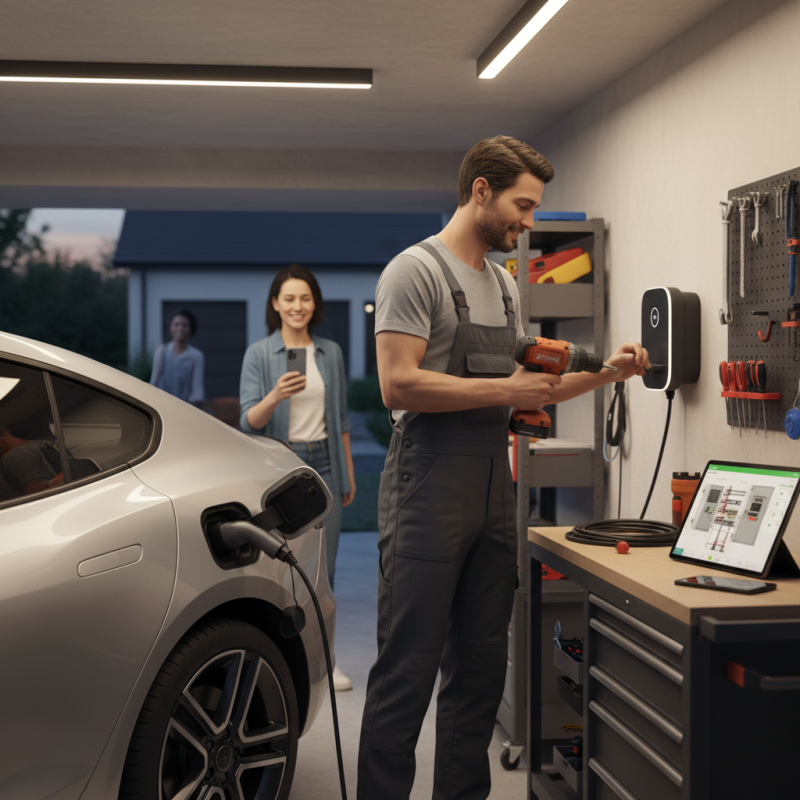
Choosing the Right EV Charger for Home Installation
When choosing the right EV charger for home installation, consider your vehicle’s needs. Different electric vehicles (EVs) have various charging specifications. It’s essential to check the amperage and voltage requirements of your car. Many homeowners prefer Level 2 chargers for faster charging. However, assess your home’s electrical capacity before making this decision.
Also, think about the installation location. Is your garage or driveway accessible? Ensure there’s enough space and proper ventilation. Consider the distance from your electrical panel. Longer runs may require more materials, increasing installation costs.
Don’t forget to reflect on future needs. As your lifestyle changes, your charging needs might evolve too. What if you purchase another electric vehicle down the line? This uncertainty can lead to choices that may need reevaluation later.
Lastly, seeking professional assistance can save time and potentially eliminate mistakes. But consider the costs involved. Balancing quality and budget can be challenging.
Understanding Electrical Requirements for EV Charger Installation
Installing an EV charger at home requires careful consideration of electrical requirements. The National Electrical Manufacturers Association states that most home Level 2 chargers need a dedicated circuit of 40 to 50 amps. This ensures that the charger can operate efficiently without overloading your home’s electrical system.
Understanding your home's electrical capacity is crucial. You should have a qualified electrician assess your current system. Many homes may need an upgrade. The average cost to upgrade a panel can range from $1,500 to $3,000. This investment could be necessary to accommodate your charger, especially if you have a high-demand system.
Tips: Always check your local electrical codes before installation. These guidelines help ensure safety and compliance. Consider the location of your charger. Positioning near your parking spot saves time and makes charging convenient. Don't forget to plan for any potential future needs. As electric vehicles evolve, you might want faster chargers or additional units down the line.
Preparing Your Home for EV Charger Wall Plug Installation
Preparing your home for an EV charger wall plug installation requires several steps. Start by identifying the best location for your charger. Ideally, this should be near your parking area. Ensure there’s sufficient space around it for easy access. A clutter-free space is essential.
Next, check your electrical system. An EV charger needs adequate power supply. It might be necessary to upgrade your electrical panel. Assess your electricity usage during peak hours. This helps to avoid overloading the system. Sometimes, installing a dedicated circuit is necessary.
Lastly, consider your home’s wiring. If it’s outdated, you may face issues later. Inspect your garage or the area where the charger will be installed. Even minor water damage can complicate the project. You might need permits depending on local regulations. Missing these can lead to unexpected delays. Take your time in this preparation phase to ensure a smooth installation process.
Step-by-Step Guide to Installing the EV Charger Wall Plug
Installing an EV charger wall plug at home can be straightforward. Begin by assessing your electrical panel. Ensure that it can handle the additional load. According to a report from the National Renewable Energy Laboratory, a typical home EV charger may require a dedicated 240-volt circuit. Not all homes are equipped for this. An electrician can help determine the best course of action.
Next, choose an appropriate location for the charger. It should be easily accessible and sheltered from the elements. Securing the wall plug to a stud or using anchors is crucial for safety. The installation involves connecting the electrical wiring from the charger to the circuit breaker. Using the correct wire gauge is important to avoid overheating. The Department of Energy emphasizes the significance of adhering to local codes and regulations in these installations.
Finally, test the installation. Turn on the circuit breaker and check if the charger works correctly. Monitor its performance periodically. Some users may face issues, like malfunctioning units or inconsistent charging. Document any problems. This feedback can help improve future installations. Troubleshooting could involve consulting professionals. After all, even minor errors can lead to safety hazards. Proper attention during installation can prevent costly mistakes.
Testing and Maintaining Your EV Charger After Installation
Installing an EV charger at home is just the beginning. Once it's up and running, proper testing and maintenance ensure it operates efficiently. Regular testing of the charger can help identify issues early. According to a study by the Electric Power Research Institute, about 25% of electric vehicle owners experience problems with their charging stations within the first two years. Routine checks can help you avoid being part of that statistic.
To maintain your charger, keep the area clean and inspect connections regularly. Dust and debris can interfere with charging efficiency. The National Renewable Energy Laboratory advises checking for any signs of wear or damage. If you notice fraying cords or loose fittings, address these issues immediately. Even minor damage can lead to major problems down the line.
Tips: Consider investing in a surge protector for your charger. This small addition can prevent potential damage from power spikes. Also, keep track of your charger’s performance. Record its usage data to spot any irregularities. Sometimes, the simplest checks can save you from costly repairs.
