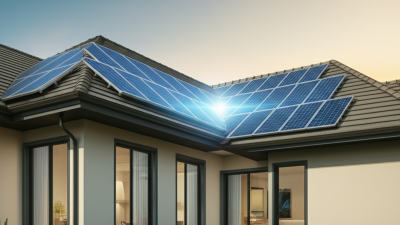
Top Home Energy Management System Tips to Save Money and Reduce Consumption
As energy costs continue to rise, homeowners are increasingly looking for effective ways to manage their energy consumption. A comprehensive home energy management system (HEMS) not only enhances energy efficiency but also translates into significant financial savings. According to a report from the U.S. Department of Energy, households equipped with advanced HEMS can reduce their energy consumption by up to 30%, which can lead to annual savings of several hundred dollars. This trend underscores the importance of adopting innovative solutions to optimize energy usage.
Experts agree on the transformative potential of these systems. "A well-implemented home energy management system empowers homeowners to take control of their energy usage, making informed decisions that benefit both the environment and their bank accounts," says Dr. Emily Carter, a leading researcher in energy systems at the National Renewable Energy Laboratory. Her insights highlight the vital role that HEMS can play in driving sustainable living while fostering economic resilience in the face of fluctuating energy prices.
By exploring practical tips for implementing a home energy management system, homeowners can not only increase their awareness of energy consumption but also leverage technology to cultivate a more energy-efficient lifestyle. The following guidance will provide actionable strategies to optimize the use of HEMS, ultimately paving the way towards a more sustainable and cost-effective home environment.

Understanding Home Energy Management Systems and Their Importance
Home energy management systems (HEMS) have gained significant traction as consumers become increasingly aware of the importance of energy efficiency in reducing both costs and environmental impact. According to the U.S. Department of Energy, homes can consume up to 40% of total energy, primarily in the form of heating, cooling, and lighting. By implementing a well-designed HEMS, homeowners can monitor, control, and optimize their energy use, leading to potential savings of up to 30% on energy bills annually.
HEMS functionalities include real-time energy monitoring, automation of appliances, and data analytics, all aimed at enhancing energy efficiency. A report by the International Energy Agency highlights that, through the integration of HEMS, households can reduce their energy consumption by an average of 10-15%, while some innovative systems offer savings upwards of 20%. These systems empower users to make informed decisions based on usage patterns, peak energy demands, and even the carbon footprint associated with their energy sources, ultimately fostering a more sustainable lifestyle. The rising adoption of HEMS is a clear indicator of a shift toward smarter, more responsible energy consumption in homes worldwide.
Top Home Energy Management System Tips to Save Money and Reduce Consumption
| Tip |
Description |
Potential Savings (%) |
Impact on Consumption |
| Smart Thermostat |
Automatically adjusts temperature based on occupancy and preferences. |
10-15% |
Can reduce heating and cooling costs significantly. |
| Energy Monitoring |
Track energy usage in real-time to identify high-consumption appliances. |
5-10% |
Encourages conscious energy use habits. |
| Smart Lighting |
Control lighting remotely or automatically based on presence. |
15-20% |
Reduces electricity waste in unused areas. |
| Energy-Efficient Appliances |
Invest in appliances that use less energy for the same performance. |
20-30% |
Lower overall household consumption levels. |
| Seasonal Maintenance |
Regularly service and maintain heating and cooling systems. |
5-15% |
Ensures systems run efficiently year-round. |
Key Features of Effective Energy Management Systems for Homeowners
Home energy management systems (HEMS) are becoming essential for homeowners seeking to optimize energy consumption and reduce costs. Key features of effective HEMS include real-time energy monitoring, smart home integration, and automated energy management. According to a report by the International Energy Agency, homes equipped with smart energy systems can reduce their energy usage by up to 20%. This capability allows homeowners to identify peak usage times and adjust consumption patterns accordingly, making it easier to save on monthly energy bills.
Another critical feature is the ability to integrate with renewable energy sources, such as solar panels. A study by the National Renewable Energy Laboratory indicates that homes using HEMS in conjunction with solar technology can improve their energy self-sufficiency by nearly 30%. These systems can help homeowners manage energy production and consumption dynamically, ensuring that they utilize stored solar energy most efficiently. Additionally, predictive analytics plays a vital role in forecasting energy needs and optimizing appliance schedules, further contributing to energy savings.
Lastly, user-friendly interfaces are crucial for maximizing the effectiveness of HEMS. The American Council for an Energy-Efficient Economy highlights that 70% of homeowners prefer systems that allow for easy control via smartphone applications. This simplifies the process of monitoring energy usage, setting preferred temperature levels, and scheduling appliance operation to off-peak times, which can significantly reduce energy costs while promoting a sustainable lifestyle.
Strategies to Optimize Energy Consumption and Save on Utility Bills
To optimize energy consumption and reduce utility bills, homeowners should adopt a multifaceted approach to their energy management. One effective strategy is to implement smart home technology that allows for better monitoring and control of energy usage. Devices that can automate heating, cooling, and lighting schedules not only increase convenience but also ensure that energy is not wasted when spaces are unoccupied. For example, smart thermostats can learn household patterns and adjust settings accordingly, thus maintaining comfort while reducing energy consumption.
Another crucial strategy involves maximizing energy efficiency through regular maintenance and upgrades. Ensuring that heating and cooling systems are serviced can lead to significant savings. Additionally, investing in energy-efficient appliances or retrofitting existing ones can further decrease power consumption. Homeowners should also consider conducting an energy audit to identify areas of improvement, such as insulating windows and doors or utilizing energy-efficient lighting. By committing to these practices, not only can utility bills be lowered, but overall household energy consumption can be greatly reduced, contributing to a more sustainable lifestyle.
Leveraging Smart Technology for Enhanced Energy Efficiency
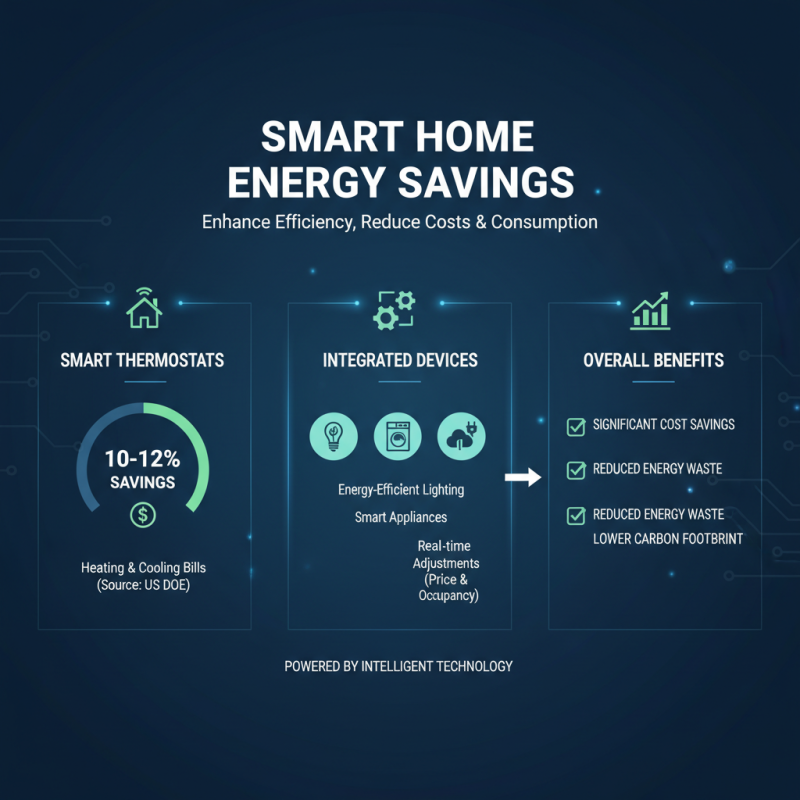
Leveraging smart technology in home energy management systems (HEMS) can significantly enhance energy efficiency, leading to notable cost savings and reduced consumption. According to the U.S. Department of Energy, smart thermostats alone can save homeowners an average of 10-12% on heating and cooling bills. This savings can be further amplified when combined with other smart devices, such as energy-efficient lighting and smart appliances that adjust their operation based on real-time energy prices or occupancy levels.
Moreover, a report by the International Energy Agency projects that by 2030, the integration of smart technologies in homes could lower global energy consumption by 15%. Smart meters allow homeowners to track energy usage patterns through mobile apps, enabling them to make informed decisions about energy consumption. By analyzing their energy habits, users can identify wasteful practices and adjust usage during peak hours, further optimizing their energy consumption and expenses. The use of machine learning algorithms in energy management systems also provides personalized recommendations to improve efficiency, ensuring that homeowners not only save money but also contribute to a more sustainable future.
Analyzing Data: Measuring Savings and Reducing Carbon Footprint
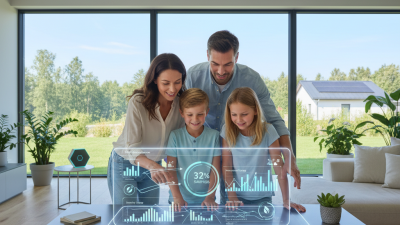
In the pursuit of energy efficiency, analyzing data is crucial for homeowners looking to measure savings and reduce their carbon footprint. By utilizing home energy management systems (HEMS), individuals can gather detailed insights into their energy consumption patterns. These systems provide real-time data on electricity usage, allowing homeowners to identify peaks in usage and discover which appliances are consuming the most energy. With this information, adjustments can be made to reduce unnecessary power consumption, leading to significant savings on energy bills.
Furthermore, tracking energy consumption not only aids in cost reduction but also highlights opportunities to lower one’s carbon footprint. By understanding when and how energy is used, homeowners can shift their energy-intensive activities to off-peak hours or invest in more efficient appliances. Additionally, visualizing data trends over time enables users to set realistic goals for reducing energy consumption, fostering a more sustainable lifestyle. Utilizing energy data effectively transforms the way homeowners interact with their energy use, ultimately contributing to a greener environment and a healthier planet.
Energy Consumption and Savings Analysis