How to Generate Solar Electricity at Home in 2025 for Sustainable Living
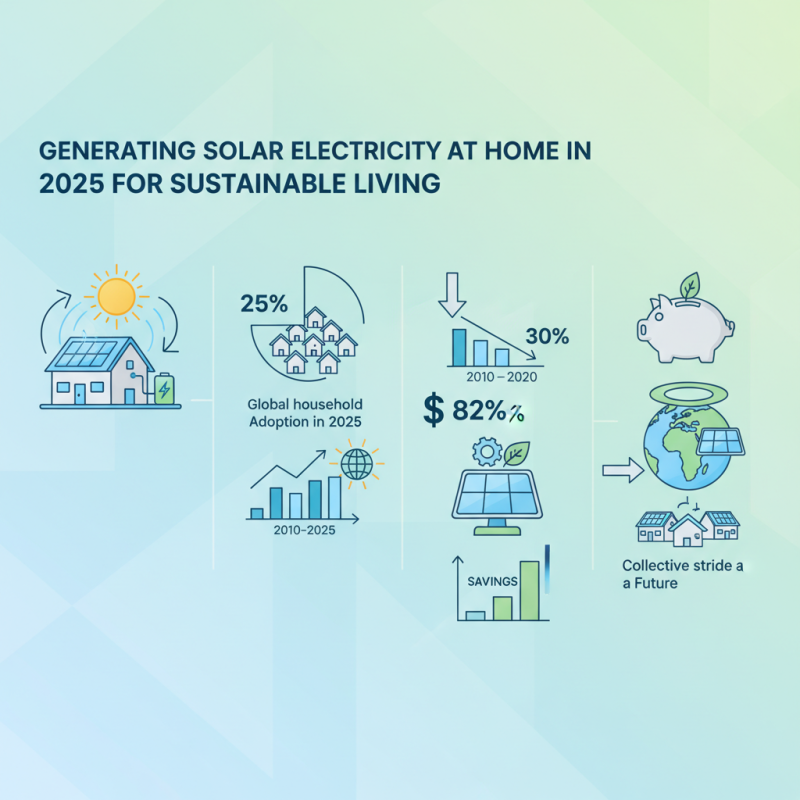
As the world increasingly shifts towards renewable energy solutions, the generation of solar electricity at home has emerged as a pivotal element in achieving sustainable living. In 2025, it is projected that residential solar energy installations will cover over 25% of global households, highlighting the growing recognition of solar electricity as a viable and eco-friendly energy source. The International Energy Agency (IEA) reports that solar power could constitute 30% of the world's energy mix by 2030, positioning solar electricity as a cornerstone of energy transition strategies aimed at reducing carbon footprints and promoting energy independence.
In the pursuit of sustainability, homeowners are presented with vast opportunities to harness the sun's abundant energy. According to a report by the Solar Energy Industries Association (SEIA), the cost of solar photovoltaic (PV) systems has decreased by nearly 82% since 2010, making solar electricity not only more accessible but also economically advantageous. This decline in costs, paired with advancements in technology and increased efficiency of solar panels, enables households to benefit from significant savings on energy bills while contributing to a greener planet. As we approach 2025, the integration of solar electricity into our homes represents not just a personal investment but a collective stride towards a sustainable future.
Understanding Solar Electricity and Its Benefits for Homeowners
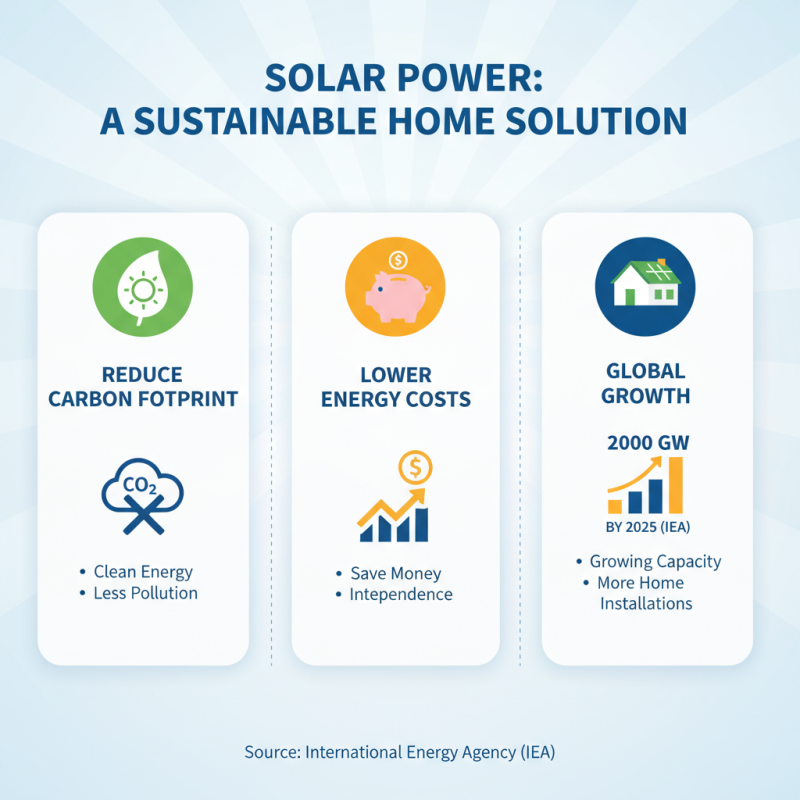
Solar electricity is emerging as a key solution for sustainable living, especially for homeowners looking to reduce their carbon footprint and energy costs. According to the International Energy Agency (IEA), solar energy capacity is expected to grow significantly, with installations projected to reach over 2,000 gigawatts (GW) globally by 2025. This growth opens new avenues for homeowners to harness solar energy effectively, leading to considerable financial and environmental benefits.
One of the primary advantages of adopting solar electricity is its potential for cost savings. Data from the National Renewable Energy Laboratory indicates that homeowners can save up to 70% on their electricity bills by utilizing solar panels. Furthermore, as the cost of solar technology continues to decline, expected to drop by 15% by 2025, more homeowners will find this clean energy source accessible and affordable. Additionally, solar installations increase property values, with studies showing that homes equipped with solar systems sell for an average of 4% more than similar properties without such installations.
Embracing solar electricity not only contributes to individual financial savings but also supports a larger environmental goal of sustainability. The U.S. Department of Energy reports that adopting solar energy at the residential level can significantly decrease greenhouse gas emissions, with the potential to avoid over 100 million metric tons of carbon dioxide annually by 2030. By generating solar electricity at home, homeowners not only empower themselves with energy independence but also play a crucial role in the global effort to combat climate change.
Choosing the Right Solar Equipment for Residential Installation
When embarking on the journey to generate solar electricity at home, one of the crucial first steps is
selecting the right solar equipment tailored for residential installation. Homeowners should consider the
type of solar panels that best fit their energy needs and roof specifications.
Monocrystalline panels, with their high efficiency
and sleek design, are ideal for those seeking to maximize energy output in limited spaces.
Conversely, polycrystalline panels, while slightly less efficient,
often come at a lower cost and can be a suitable choice for larger installations with ample roof area.
In addition to solar panels, the choice of an inverter
is essential in converting the captured solar energy into usable electricity.
String inverters are widely used for standard installations, while
microinverters or
power optimizers may be better suited for configurations
that experience varying sunlight exposure. Moreover, assessing battery
storage options is vital for achieving energy independence, allowing homeowners to store excess energy generated
during sunny days for use when sunlight is less available.
By carefully evaluating these components, individuals can create a sustainable and efficient
solar energy system tailored to their home's unique needs.
Steps to Install Solar Panels and Connect to Home Electrical System
As the world increasingly shifts towards renewable energy sources, generating solar electricity at home has become a viable option for sustainable living. By 2025, advancements in solar technology will allow homeowners to harness sunlight more efficiently than ever. The first step in this process is to assess your home’s energy needs and determine the appropriate size of the solar panel system. According to the Solar Energy Industries Association (SEIA), the average U.S. home uses about 877 kWh per month. To efficiently cover this energy consumption, homeowners can install a system ranging from 3 to 8 kW, based on their local sunlight availability and specific energy requirements.
Once the system size is established, the next step is to install the solar panels and connect them to the home electrical system. This involves securing necessary permits and choosing a suitable location for the panels, preferably a south-facing roof with minimal shading. The installation can be done by professionals or, for those with advanced skills, as a DIY project. According to a report from the National Renewable Energy Laboratory (NREL), the installation of a solar photovoltaic (PV) system can increase home value by an average of 4% to 6%. After installation, connecting the solar panels to the home electrical system typically includes wiring the panels to an inverter, which converts DC electricity generated by the panels into AC electricity used by household appliances. Monitoring systems can also be integrated to track energy production and optimize performance over time.
Monthly Solar Electricity Generation in 2025
This chart illustrates the predicted monthly solar electricity generation in kilowatt-hours (kWh) for a typical home using solar panels in 2025. Starting from January, the electricity generation increases towards the summer months, peaking in July, followed by a gradual decline as winter approaches.
Maintenance Tips for Ensuring Optimal Solar Energy Production
To ensure optimal solar energy production at home in 2025, regular maintenance of solar panels is essential. Start by cleaning the panels periodically to remove dust, dirt, and debris that may block sunlight and reduce efficiency. A gentle wash with water and mild soap can be effective. It's best to conduct these cleanings during the early morning or late evening to avoid rapid evaporation of water, which can leave streaks behind.
In addition to cleaning, it is crucial to check the surrounding area for potential obstructions. Trees or buildings that cast shadows on the panels can significantly diminish their output. Regularly trimming nearby vegetation and ensuring no new structures are built that could obstruct sunlight will help maintain optimal energy flow.
 Moreover, inspecting the wiring and connections for any signs of wear or damage is vital to prevent energy losses. Scheduling an annual professional assessment can also catch any issues early, ensuring your solar system operates at peak efficiency.
Exploring Financial Incentives and Rebates for Solar Adoption in 2025
In 2025, the adoption of solar electricity for home use will be significantly influenced by the financial incentives and rebates available to homeowners. Governments and local authorities are keen to promote renewable energy sources, and many have continued to provide substantial tax credits for solar panel installation. These incentives can dramatically reduce the initial costs associated with purchasing and installing solar systems, making sustainable living more accessible for the average homeowner. Additionally, many regions offer rebates that can offset installation costs or provide cash back after system installation, further encouraging individuals to make the switch to solar energy.
Moreover, innovative financing options are becoming more prevalent, allowing homeowners to pay for their solar systems over time rather than all upfront. Programs that facilitate lease agreements or Power Purchase Agreements (PPAs) enable consumers to install solar panels with little to no initial investment. In many cases, these agreements allow homeowners to benefit from immediate energy savings on their utility bills while avoiding the financial burden of high upfront costs. By leveraging these financial incentives and flexible payment options, homeowners can not only contribute to a more sustainable future but also enjoy long-term savings and energy independence.
How to Generate Solar Electricity at Home in 2025 for Sustainable Living - Exploring Financial Incentives and Rebates for Solar Adoption in 2025
| Incentive Type |
Description |
Estimated Savings ($) |
Eligibility Criteria |
| Federal Tax Credit |
A tax credit for residential solar energy systems. |
$7,000 |
Homeowners installing solar panels in 2025. |
| State Rebate Programs |
State-sponsored rebates for residential solar installations. |
$5,000 |
Varies by state; check local regulations. |
| Net Metering |
Credits for excess energy exported to the grid. |
Up to $1,200 annually |
Must be connected to the grid and have a solar system. |
| Local Incentives |
Municipality-specific rebates or incentives. |
$2,000 |
Check with local government or energy provider. |
| Solar Renewable Energy Certificates (SRECs) |
Certificates representing the environmental benefits of solar energy. |
$5,000 |
Homeowners with solar installations; varies by market. |