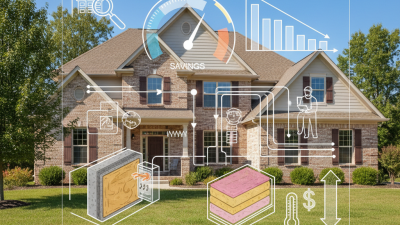
In 2026, the home energy audit cost is expected to be influenced by various factors. According to the U.S. Department of Energy, home energy audits can save households an average of 5-30% on energy bills. However, the cost of these audits varies significantly. Some reports suggest that prices may range from $200 to over $500, depending on various conditions.
One primary factor is the size of the home. Larger homes generally require more time and resources for an audit. Additionally, geographical location plays a vital role. Regions experiencing extreme weather patterns might see increased demand for energy evaluations. Moreover, the complexity of the home systems adds to the overall cost. Homes with advanced HVAC systems or intricate insulation can incur higher audit expenses.
While some may perceive the home energy audit cost as high, it is essential to view it as an investment. The potential savings on utility bills and the environmental benefits can outweigh initial costs. Nevertheless, homeowners must consider whether they prioritize long-term savings over immediate expenditures. This reflects a common dilemma that requires careful thought and planning.

Home energy audit pricing in 2026 will depend on several critical components. The national average cost is projected to range between $300 to $800, influenced by factors such as the home’s size and age. A recent study by the Energy Efficiency Council indicates that larger homes typically incur higher audit costs due to the increased complexity of evaluations.
Labor costs play a significant role in pricing. Certified energy auditors often charge hourly rates ranging from $50 to $150. Research shows that inadequate training can lead to errors, resulting in costly oversights. Homeowners should prioritize hiring experienced auditors for accurate assessments. The length of the audit process varies, with more extensive evaluations taking several hours.
Geographic location also impacts pricing. In urban areas, higher demand for audits can drive costs up. Conversely, rural regions may see lower rates but reduced availability of qualified auditors. As energy regulations evolve, staying informed about local requirements is essential. Homeowners may find it beneficial to compare multiple quotes and inquire about additional fees, ensuring transparency in the overall audit cost. Factors like existing home energy systems and insulation quality further complicate the pricing landscape, leading to variability in final costs.
| Factor | Description | Average Cost Impact (%) |
|---|---|---|
| Property Size | Larger homes require more time and resources to audit. | 20% |
| Age of Home | Older homes may have more inefficiencies to address. | 15% |
| Location | Geographical location affects labor and travel costs. | 10% |
| Energy Efficiency Upgrades | Existing upgrades can reduce the audit complexity. | 5% |
| Audit Type | Comprehensive audits are more costly than basic ones. | 25% |
| Testing Equipment | Advanced tools can increase audit expenses significantly. | 10% |
| Consultant Expertise | Experienced auditors may charge more for their services. | 10% |
| Seasonality | Demand for audits can fluctuate based on the season. | 5% |
| Regulatory Requirements | Local regulations may impose additional costs. | 10% |
| Follow-up Services | Costs for follow-up tests or services can add to total. | 5% |
Geographical variations play a crucial role in determining the cost of home energy audits. Different regions have unique climates, regulations, and energy resources. In urban areas, the demand for energy efficiency is higher. This can lead to increased prices for energy audits. Conversely, rural locations may offer lower costs but may lack experienced auditors.
Tips: Consider where you live. Audit costs can vary significantly. Reach out to local services. They often provide tailored solutions.
Local regulations also shape audit expenses. Some areas enforce rigorous energy codes. This can increase the complexity and cost of audits. In contrast, regions with relaxed rules might offer simpler and cheaper evaluations.
Tips: Research local energy policies. They can impact the cost. Understanding your area's regulations is essential for informed decisions.
Weather conditions further influence energy audit costs. In colder climates, homes may require detailed audits to ensure heat retention. Hot regions might focus on cooling issues. Each environment presents specific challenges.
Tips: Be mindful of your region's climate. This can guide your energy audit focus. Accurately assessing your home’s needs is vital for savings.
The size and complexity of a home significantly influence the cost of an energy audit. Research from the U.S. Department of Energy indicates that larger homes typically require more time and resources to assess. A 3,000-square-foot house could cost anywhere from $400 to $600 for a comprehensive audit, while smaller homes often see costs ranging between $200 and $400.
Complex features, such as multiple HVAC systems or intricate architectural designs, can further drive up pricing. Homes with advanced insulation or unique energy systems may require specialized knowledge, adding to labor costs. A report from the Building Performance Institute highlights that complex homes can incur costs that are 30% higher than simpler structures.
This variability poses a challenge for homeowners. Many may feel uncertain about what to expect. The unpredictability of audit costs can discourage some from pursuing necessary evaluations. The insights gathered during energy audits are essential, but understanding their costs is crucial for budgeting effectively. In 2026, homes with unique features may need tailored audits, emphasizing the importance of planning and preparation.
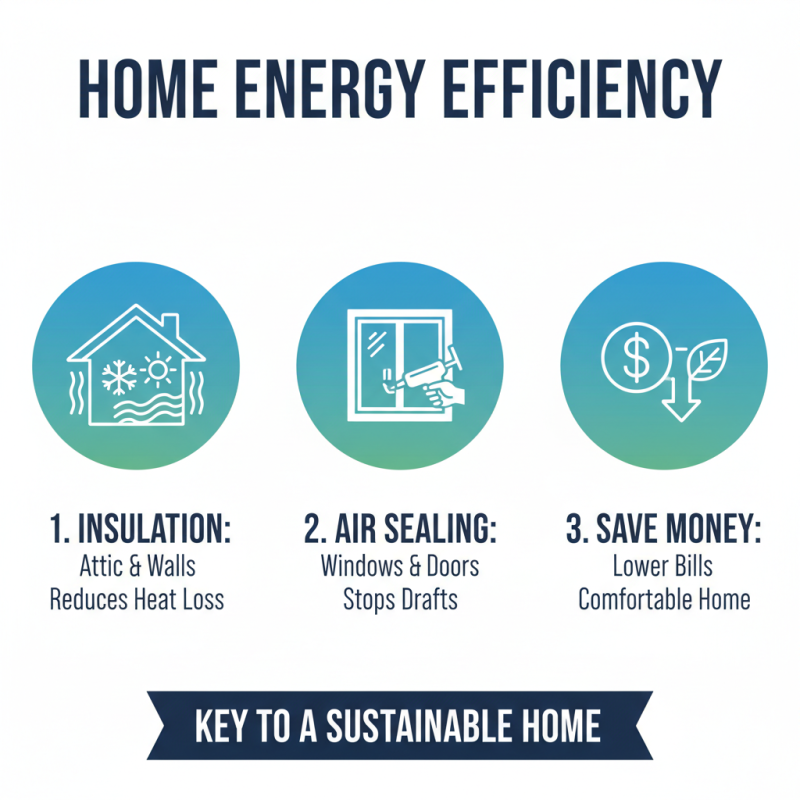
When considering energy efficiency measures, several options can significantly impact a home's energy consumption. Insulation is crucial. Proper insulation in attics and walls prevents heat loss and maintains indoor temperatures. It can lower heating and cooling costs effectively. Homeowners often overlook air sealing. Gaps around windows and doors allow drafts. Sealing these gaps reduces energy waste.
Another recommended measure is upgrading HVAC systems. Older units tend to be inefficient. A high-efficiency model can save money long-term. Furthermore, installing programmable thermostats gives homeowners control over energy use. This simple tool can adjust temperatures when the house is empty. Changes like these often require an upfront investment.
Many homeowners hesitate. They wonder if these improvements are worth it. While the initial costs may cause anxiety, the long-term savings on utility bills can be substantial. Reflecting on these measures helps clarify their value. The right changes lead to more comfortable and efficient homes. Embracing energy efficiency is not just a trend; it’s an opportunity for sustainability and cost savings.
In 2026, technology plays a crucial role in shaping home energy audit costs. Smart sensors, for example, significantly streamline data collection. They gather detailed insights into energy consumption patterns. These tools enhance accuracy but can be costly to implement.
Advanced software solutions also impact pricing. They offer energy modeling tools that require initial investment. However, their efficiency saves time in the long run. Homeowners may need to weigh the short-term costs against potential long-term savings. Digital innovations are reshaping the audit landscape rapidly.
Tip: Consider DIY options for basic energy assessments. Use online calculators to estimate savings. Simple changes may reduce costs without professional help.
Additionally, the integration of artificial intelligence can optimize audits. AI analyzes vast data sets quickly and provides actionable insights. This technology reduces the human error factor but may raise service fees.
Tip: Always compare quotes. Different providers offer varying packages. Sometimes, hidden features influence the final cost. Be aware of what you really need to pay for.
Staying informed about these advances can help homeowners make wise choices in 2026. Balancing technology and cost is vital.