Eco Energies

10 Essential Tips for Optimizing Your Solar Energy System

As the world shifts towards renewable energy, optimizing your solar energy system becomes crucial. According to Dr. Emily Harris, a leading expert in solar technology, "The efficiency of your solar system greatly impacts your overall energy savings." Her insights emphasize the importance of effective strategies.

Implementing these tips can transform your solar energy system from average to exceptional. Many homeowners overlook simple aspects, like orientation and shading. Neglecting these factors can mean wasting precious sunlight and money. Each component, from the panels to the inverter, deserves attention.

In today's market, with advancements in technology, optimal performance is achievable yet often avoided. Many installations fall short because users lack awareness. Taking the time to understand your solar energy system can lead to significant improvements. In the pursuit of sustainability, the journey begins with informed choices.
10 Essential Tips for Optimizing Your Solar Energy System

Understanding Solar Panel Efficiency: Key Metrics and Trends

Understanding solar panel efficiency is crucial for maximizing your solar energy system. Efficiency is measured in percentage. It indicates how much sunlight is converted into usable electricity. Higher efficiency means more energy for your home.

To improve efficiency, consider the orientation of your solar panels. Install them facing true south in the Northern Hemisphere. This positioning ensures maximum sunlight capture throughout the day. Regular cleaning is also essential. Dirty panels can lose up to 20% of their efficiency. A simple wash with water can make a big difference.

Don't overlook shade impact. Even a small overhanging tree or building can reduce performance. Evaluate your space for any potential shading issues. Additionally, monitor your system regularly. Use performance tracking tools to identify inefficiencies. Addressing issues promptly can lead to better energy output.
Evaluating Your Roof's Solar Potential: Angle, Size, and Orientation

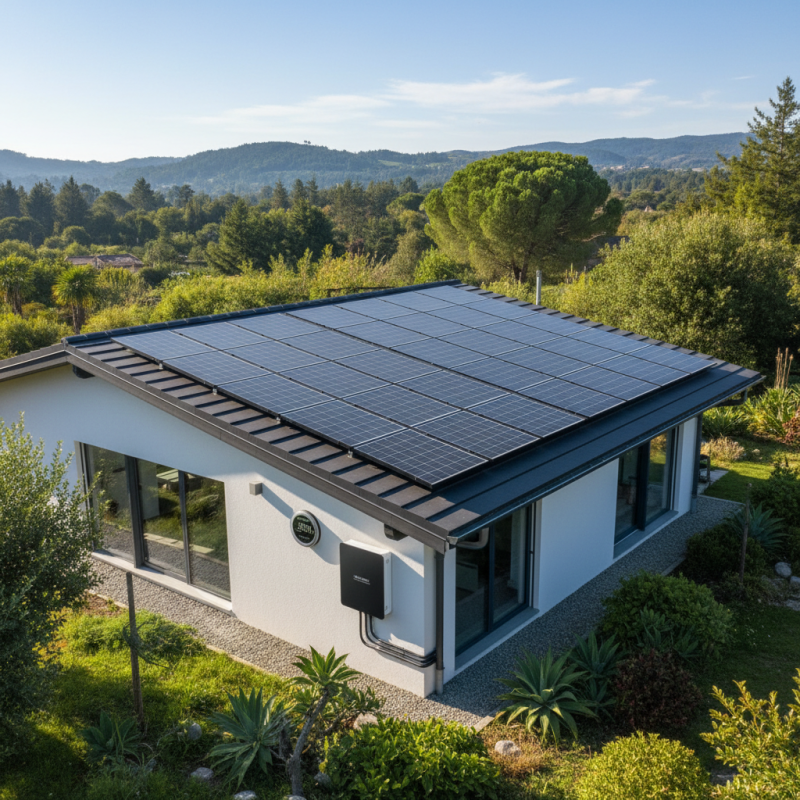
When evaluating your roof's solar potential, three key factors come into play: angle, size, and orientation. Studies reveal that photovoltaic panels typically perform best at a tilt between 30 to 45 degrees. This angle allows for optimal sun exposure throughout the year. However, the exact optimal angle can vary based on your geographical location. For instance, regions closer to the equator might benefit from a lesser tilt.

Roof size is equally critical. A small roof might limit your system's capacity. Research indicates that a typical home requires around 20 solar panels for sufficient energy generation. Therefore, measuring your roof area accurately ensures you maximize your investment. If your space is limited, consider high-efficiency panels that generate more power per square foot.

Orientation also matters. South-facing roofs often yield the best results in the Northern Hemisphere. They capture maximum sunlight during the day. However, if your roof isn't ideally oriented, don’t despair. Adjusting the angle of the panels can still enhance efficiency.

Tips to remember: Always assess your roof's structural integrity. Solar panels add weight, so ensure your roof can support them. Additionally, consider any potential shading from nearby trees or buildings, as this can significantly reduce energy output. Being mindful of these details can help you make informed decisions for your solar energy system.

Maintaining Your Solar Energy System: Best Practices for Longevity

10 Essential Tips for Optimizing Your Solar Energy System

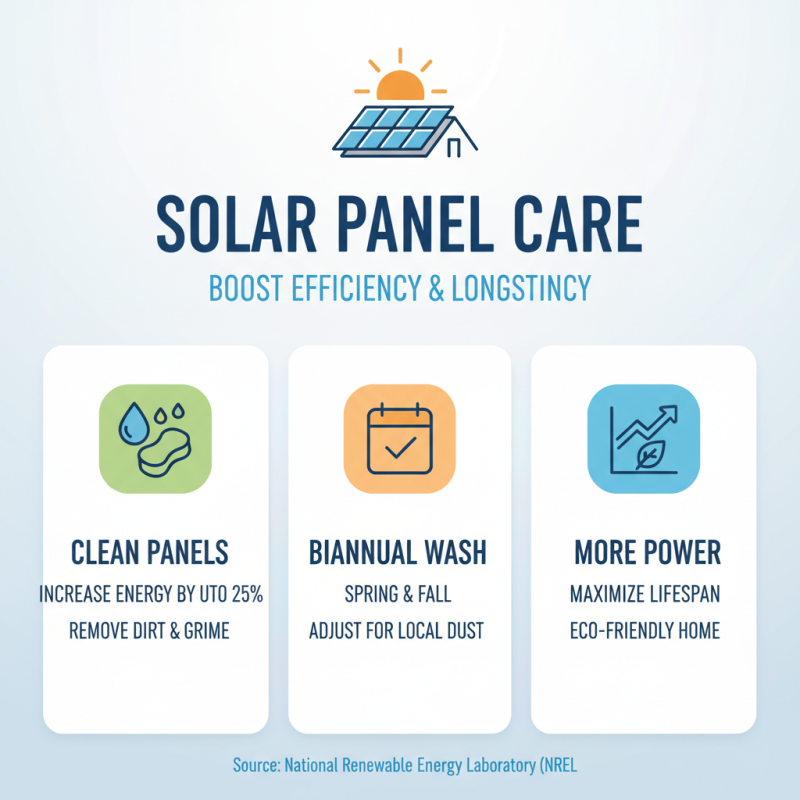
Maintaining your solar energy system is crucial for maximizing its lifespan and efficiency. Regular cleaning of solar panels can significantly enhance energy output. According to the National Renewable Energy Laboratory, dirt and debris can reduce efficiency by up to 25%. A simple wash with water can remove dust and grime. Aim for biannual cleaning, but adjust based on local conditions.

Another important aspect is monitoring system performance. Use monitoring tools to track energy generation. Studies show that identifying issues early enhances longevity. A 2019 report indicated that systems with regular checks can last up to 30 years, while neglected systems may fail much sooner.

Don't overlook the inverter. It often requires replacement after 5 to 10 years. Neglecting this component can result in significant energy loss. Keep cables and connections secure and check for wear. If you notice anything unusual, call for a professional assessment. This is an investment that needs care, and overlooking minor issues might lead to major repairs later.

Utilizing Smart Technology for Real-Time Energy Monitoring

Utilizing smart technology for real-time energy monitoring is crucial for optimizing your solar energy system. Smart meters and apps provide instant feedback on energy production and usage. You can track how much energy your panels generate daily. Some days, production might be lower due to cloud cover or shade. This immediate data helps you adjust your energy consumption habits.

Integrating artificial intelligence can enhance this monitoring process. AI can analyze patterns in energy usage. It identifies peak hours and recommends changes. For example, it might advise running heavy appliances during the day when solar output is highest. However, implementing such technology comes with challenges. Not all setups are compatible. Sometimes, installation requires technical expertise that can be hard to find.

Regularly reviewing your energy data can reveal surprising trends. You may notice certain appliances use more power than expected. This awareness can lead to better decisions, such as investing in energy-efficient alternatives. Yet, relying solely on technology can lead to complacency. Balancing between smart monitoring and personal engagement with your system is key.

10 Essential Tips for Optimizing Your Solar Energy System - Utilizing Smart Technology for Real-Time Energy Monitoring

Tip Description Benefits Recommended Tools/Technologies
1. Monitor Energy Production Use smart meters to keep track of how much energy your system is producing. Identifies peak production times and optimizes energy use. Smart Meters, Energy Monitoring Apps
2. Optimize Panel Placement Position solar panels to maximize exposure to sunlight throughout the day. Increases overall energy harvest. Solar Pathfinders, Sun Position Software
3. Integrate Battery Storage Incorporate rechargeable batteries to store excess energy. Provides power during non-sunny times. Lithium-Ion Batteries, Energy Storage Systems
4. Utilize Performance Analytics Regularly analyze system data to ensure optimal operation. Identifies inefficiencies and maintenance needs. Monitoring Dashboards, Performance Analysis Software
5. Schedule Regular Maintenance Conduct periodic checks on system components. Extends the lifespan of the solar system. Maintenance Checklists, Service Apps
6. Use Smart Inverters Employ advanced inverters that optimize energy conversion. Boosts energy output and system efficiency. Smart Inverters
7. Automate Energy Usage Utilize smart home technology to manage energy consumption. Reduces energy waste by using power during peak production. Smart Home Systems, Energy Consumption Apps
8. Install Energy Monitoring Systems Integrate systems that provide real-time energy usage data. Enables proactive adjustments to optimize use. Energy Monitoring Devices
9. Track Energy Consumption Patterns Analyze daily and seasonal usage trends. Informs adjustments to usage habits. Data Analytics Software
10. Educate Yourself and Household Stay informed about solar technology and energy efficiency. Promotes responsible energy use and investment. Online Courses, Community Workshops

Maximizing Incentives: Federal and State Programs for Solar Installations

When considering solar energy, understanding incentives is crucial. Federal and state programs can significantly reduce initial installation costs. Many states offer tax credits or rebates for solar panel installations. Research these local options to maximize your savings.

Tip: Always check the eligibility criteria for incentives. Some programs have specific requirements, and missing these can cost you. Explore financing options, such as low-interest loans, that lead to better cash flow.

Navigating the complexities of solar incentives may be challenging. They can change frequently, sometimes annually. Staying updated on these changes will ensure you don’t miss out.

Tip: Network with local solar energy experts. They can provide insights on the latest incentives and best practices. Engaging with the community enhances your understanding of the benefits.