10 Essential Tips for Choosing the Best Solar Energy Solutions
As the world increasingly shifts towards renewable energy, the demand for effective solar energy solutions has surged. According to a report by the International Energy Agency, solar power could account for nearly 25% of global electricity by 2040. This remarkable growth highlights the importance of selecting the right solar energy solutions for both residential and commercial needs.
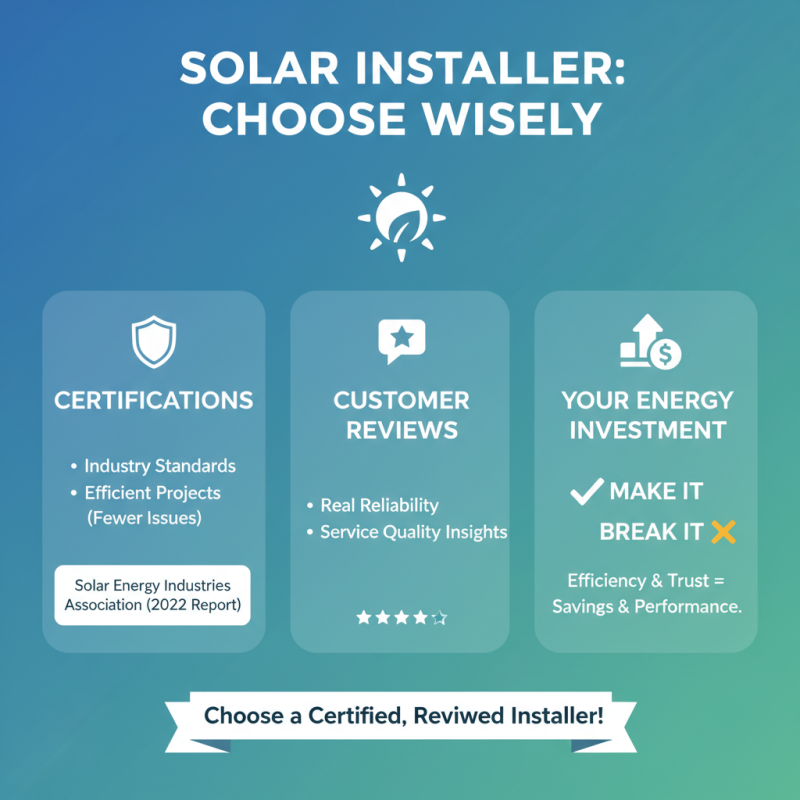
Choosing the best system can be daunting given the myriad of options available. Factors such as efficiency, price, and durability must be considered. In 2022, the average cost of solar installations dropped significantly, yet many consumers still encounter challenges. A study from the Solar Energy Industries Association found that 70% of homeowners struggled to identify reputable contractors. As such, it is essential to equip yourself with knowledge before making a choice.
Navigating through this rapidly evolving market requires careful consideration. Are the solutions offered truly beneficial? Will they meet long-term energy needs? The answers to these questions lie in research and informed decision-making. By focusing on reliable metrics and insights, consumers can better identify the most suitable solar energy solutions for their specific situations.

Understanding Your Energy Needs: Assessing Consumption and Savings
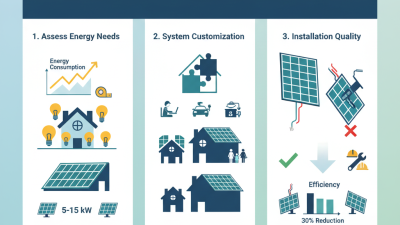
Understanding your energy consumption is crucial when selecting solar energy solutions. Begin by auditing your current energy usage. According to the U.S. Energy Information Administration, the average American household uses about 877 kWh per month. This number varies based on factors like home size, appliances, and climate. Tracking your monthly bills can highlight peak usage times, allowing you to identify opportunities for savings.
Next, estimate potential savings with solar. Research indicates that solar panels can reduce electricity bills by up to 50%. However, this is not guaranteed for every household. The savings largely depend on the size of the system, local electricity rates, and available sunlight. Some homeowners see a quick return on investment, while others might find it takes longer to break even. Consider your financial situation and energy goals.
Lastly, reflect on your energy needs and future plans. Changes in lifestyle or home improvement might alter energy consumption. If you expect to grow your family or upgrade appliances, factor these changes into your calculations. A static analysis could lead to miscalculations in potential savings. Taking the time to thoroughly assess your energy needs is a step many overlook but is crucial for making informed decisions.
Energy Consumption and Savings with Solar Solutions
Evaluating Solar Panel Technology: Monocrystalline vs. Polycrystalline
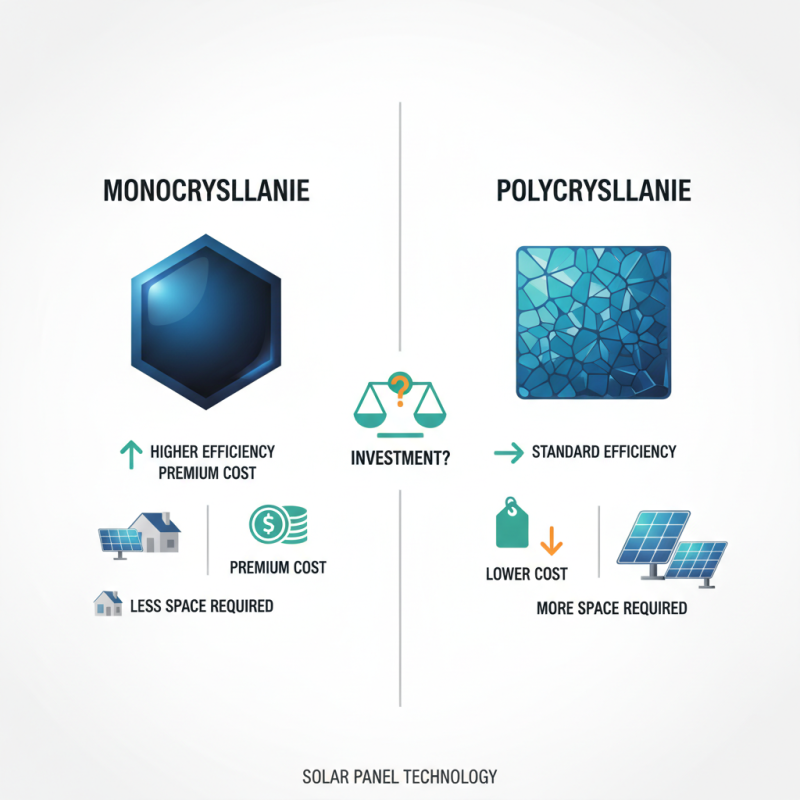
When considering solar panel technology, two main types stand out: monocrystalline and polycrystalline. Monocrystalline panels are made from a single crystal structure. This design allows for higher efficiency and better performance in limited space. However, they often come with a higher price tag. You might wonder if the investment is worth it.
On the other hand, polycrystalline panels are made from multiple crystal structures. They tend to be less efficient but are generally more affordable. This could be a significant factor if you're on a budget. Yet, their lower efficiency means you may need more panels to produce the same amount of energy. The choice between the two often depends on space, budget, and long-term goals.
Many homeowners overlook the long-term performance of these panels. Monocrystalline may produce more energy over time, which could offset initial costs. But polycrystalline could still serve a solid purpose for those focused on saving upfront. Reflecting on your energy needs is vital. Think about your roof space, energy consumption, and future plans before making a choice.
The Importance of Solar Incentives: Federal and State Programs Overview
Solar incentives play a crucial role in making solar energy solutions accessible and affordable. Federal and state programs can significantly reduce the initial costs of solar installations. The U.S. Department of Energy reports that tax credits can cover up to 26% of installation costs. Such incentives effectively lower the financial barrier for many households and businesses.
State initiatives vary widely. For example, some offer rebates, while others facilitate net metering. In California, residents benefit from the Self-Generation Incentive Program, which encourages renewable energy use. Many states have also set ambitious renewable energy targets. However, not all programs are equally effective. Some incentives have complex requirements that can confuse potential users.
Potential users should carefully review the details of available incentives. They often have expiration dates or caps on funding. Some may only apply to specific technologies, like battery storage or residential systems. It is essential to understand these nuances. This can prevent missed opportunities. Solar energy adoption is on the rise, yet challenges remain. The disparity in incentive programs reflects the varying commitment levels of states toward clean energy investments.
Financial Analysis: Comparing Upfront Costs and Long-term ROI of Solar Solutions
When considering solar energy solutions, financial analysis is crucial. You’ll need to compare upfront costs with potential long-term returns. Start by estimating installation costs. Prices can vary significantly based on system size and location. Understand potential incentives or rebates that may apply to your situation. These can reduce your initial outlay substantially.
Next, assess the long-term ROI. Calculate savings on your energy bills over time. How quickly can you recover your investment? Many systems pay for themselves within a few years, but this isn't universal. Evaluate your local energy prices and potential increases. Higher rates can enhance the appeal of solar energy. Also, think about maintenance costs, which can sometimes be overlooked. Will repairs or replacements be necessary?
Finally, consider the lifespan of the solar technology you choose. Systems can last over 25 years. However, efficiency diminishes over time. This may impact your financial calculations. Weigh the pros and cons carefully. Don't rush into decisions. Analyze how solar energy aligns with your financial goals and lifestyle.
10 Essential Tips for Choosing the Best Solar Energy Solutions
| Solar Solution Type |
Upfront Cost (USD) |
Annual Savings (USD) |
Payback Period (Years) |
Estimated Lifespan (Years) |
Long-term ROI (%) |
| Standard Solar Panel System |
$15,000 |
$1,800 |
8.3 |
25 |
12% |
| Premium Solar Panel System |
$20,000 |
$2,200 |
9.1 |
30 |
11% |
| Solar Roof Tiles |
$30,000 |
$2,700 |
11.1 |
40 |
9% |
| Off-Grid Solar System |
$25,000 |
$3,000 |
8.3 |
20 |
15% |