What is an Energy Audit for Home and Why is it Important?
When it comes to energy efficiency, understanding an energy audit for home is crucial. This process involves assessing your home’s energy use and identifying where improvements can be made. Many homeowners overlook this vital step. They may think their homes are efficient enough. However, hidden energy losses often occur.
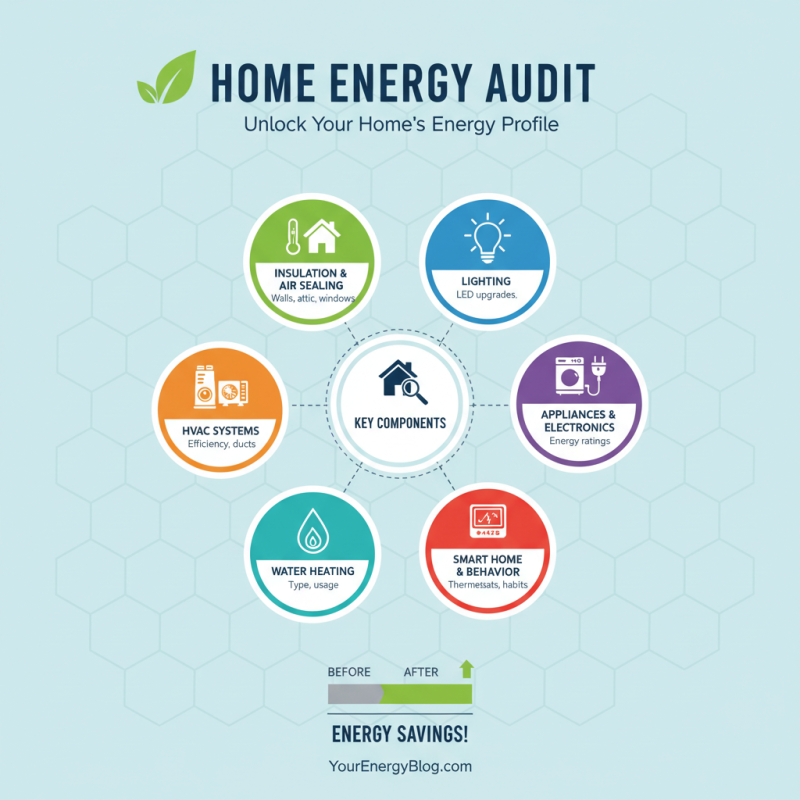
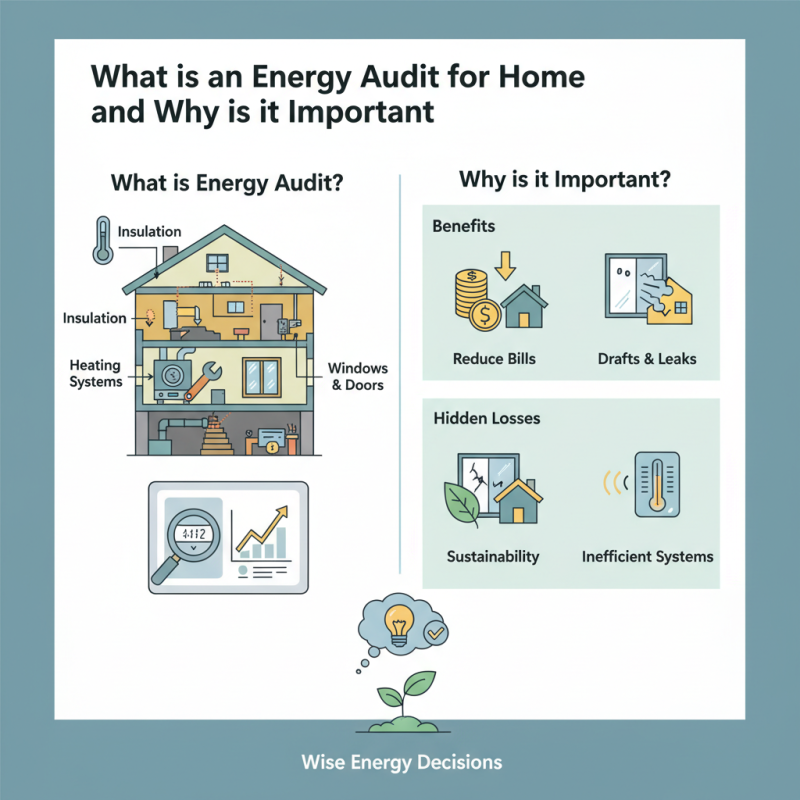
An energy audit for home examines various factors. These include insulation, heating systems, and even windows. The findings can surprise many. A well-conducted audit reveals potential savings. Homeowners may find they can reduce bills significantly. This is not just about comfort; it's about sustainability.
Employing an energy audit for home can lead to substantial changes. Yet, some still hesitate to take action. The initial cost may deter them, but the long-term benefits outweigh the expenses. Small adjustments can lead to big results over time. Ignoring this can be a costly mistake. In the end, making wise energy decisions is essential for every homeowner.
What is an Energy Audit for Home?
An energy audit for homes is a detailed assessment of energy use. It identifies areas where energy is wasted. This process often involves checking insulation, windows, and heating systems. By pinpointing inefficiencies, homeowners can make informed decisions on improvements.
During an audit, a professional may use tools like blower door tests. These tests identify air leaks that could lead to higher bills. Homeowners often overlook these details. Simple drafts can add up over time. Finding and fixing these leaks is crucial for energy efficiency.
The importance of an energy audit cannot be overstated. It helps reduce utility costs and promotes environmental sustainability. Without understanding energy usage, it’s hard to make changes that lead to savings. Many homeowners feel overwhelmed by the idea of an audit. However, it’s a practical step towards a more efficient home.
Benefits of Conducting an Energy Audit
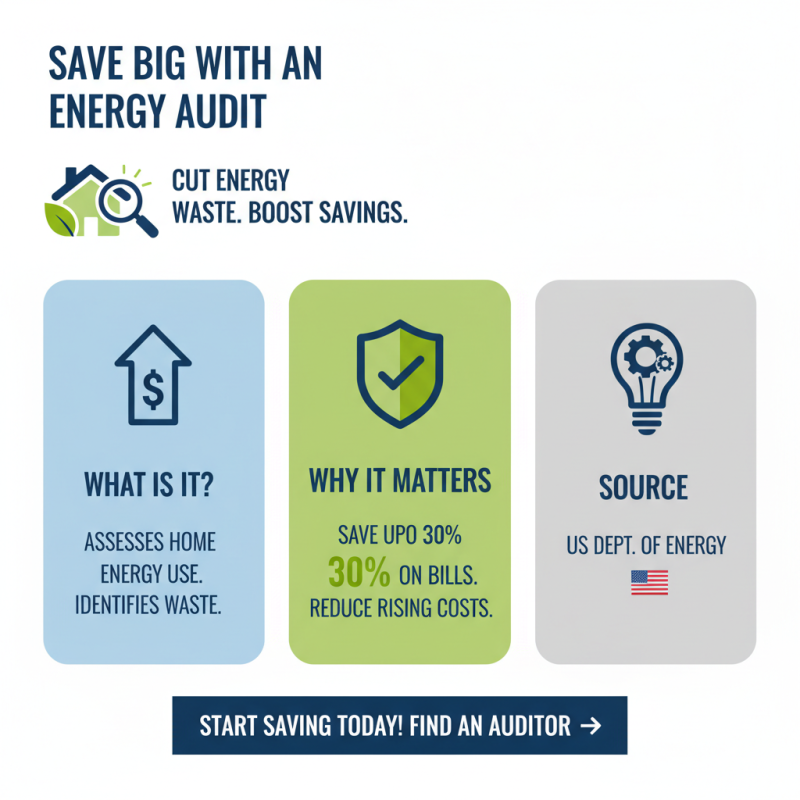
An energy audit is an assessment of a home’s energy use. It identifies areas where energy is wasted. Conducting an audit can lead to significant savings. According to the U.S. Department of Energy, homeowners can save up to 30% on energy bills by implementing audit recommendations. This is crucial, especially as energy costs continue to rise.
One benefit of an energy audit is improved comfort. By sealing leaks and upgrading insulation, homes maintain stable temperatures. Inadequate insulation can lead to cold drafts in winter. A well-insulated home reduces stress on heating and cooling systems. Reports suggest that nearly 50% of a home’s energy is spent on heating and cooling. Addressing this can create a more enjoyable living space.
Tips for homeowners include checking for drafts around windows and doors. Use weather stripping or caulking to seal openings. This simple step improves efficiency. Consider upgrading to energy-efficient appliances. They use less energy and offer long-term savings. Lastly, reviewing your energy bill can highlight areas for improvement. Look for spikes in usage to address potential issues. Remember, even small changes can make a big difference.
Steps to Perform a Home Energy Audit
Performing a home energy audit involves several practical steps. Start by assessing your home’s exterior. Check for gaps in windows and doors. These leaks can lead to energy loss. According to the U.S. Department of Energy, sealing air leaks may save homeowners 10% to 20% on their energy bills. Such savings are significant, making this step crucial.
Next, inspect insulation levels in your attic, walls, and floors. The effectiveness of insulation impacts heating and cooling costs. A well-insulated home can save up to 30% on energy bills, as stated in a report by the American Council for an Energy-Efficient Economy. Many homeowners forget to check this aspect, leading to wasted energy.
Finally, evaluate your appliances and lighting. Energy-efficient models use less energy. Yet, many families stick with older models. Replacing them can be daunting, but the long-term savings often outweigh the initial cost. Be diligent about monitoring your energy use through your utility bill. It's an eye-opener. Regularly reviewing this data helps identify areas for improvement.
What is an Energy Audit for Home and Why is it Important?
| Energy Audit Component |
Description |
Importance |
| Insulation Check |
Assessing the effectiveness of insulation in walls, attics, and basements. |
Improves energy efficiency by reducing heating and cooling costs. |
| Air Leakage Test |
Identifying drafts and leaks in windows, doors, and cracks. |
Enhances comfort and reduces energy bills through better sealing. |
| HVAC System Evaluation |
Review of heating, ventilation, and air conditioning systems for efficiency. |
Ensures optimal performance and longevity, lowering operational costs. |
| Lighting Assessment |
Examining indoor and outdoor lighting types and usage. |
Identifies opportunities for energy-efficient lighting solutions. |
| Appliance Evaluation |
Reviewing the energy usage of major appliances. |
Promotes replacing old appliances with energy-efficient models. |
How to Choose a Professional Energy Auditor
Choosing the right professional energy auditor is a crucial step in conducting an efficient energy audit for your home. Look for someone with relevant experience and certifications. A good auditor should be familiar with the latest energy efficiency practices and technology. You might want to ask for references from past clients. This gives you insight into their reliability and expertise.
When evaluating potential auditors, consider their approach. A thorough auditor performs a detailed analysis of your home's energy use. They should inspect insulation, windows, and HVAC systems. It's vital that they explain their findings in detail. You need to understand what they discover and how it affects your home's energy consumption.
Additionally, ensure they provide a clear action plan. An effective energy audit should result in actionable recommendations. Sometimes, this is where the communication falters. An auditor might present data without clear guidance, leaving homeowners confused. Clarify any ambiguities upfront. Choose someone who values transparency and thoroughness. This will ultimately help you make informed decisions about improving your home's energy efficiency.