
Eco Energies

Top Electric Vehicle Trends in China for Global Buyers?

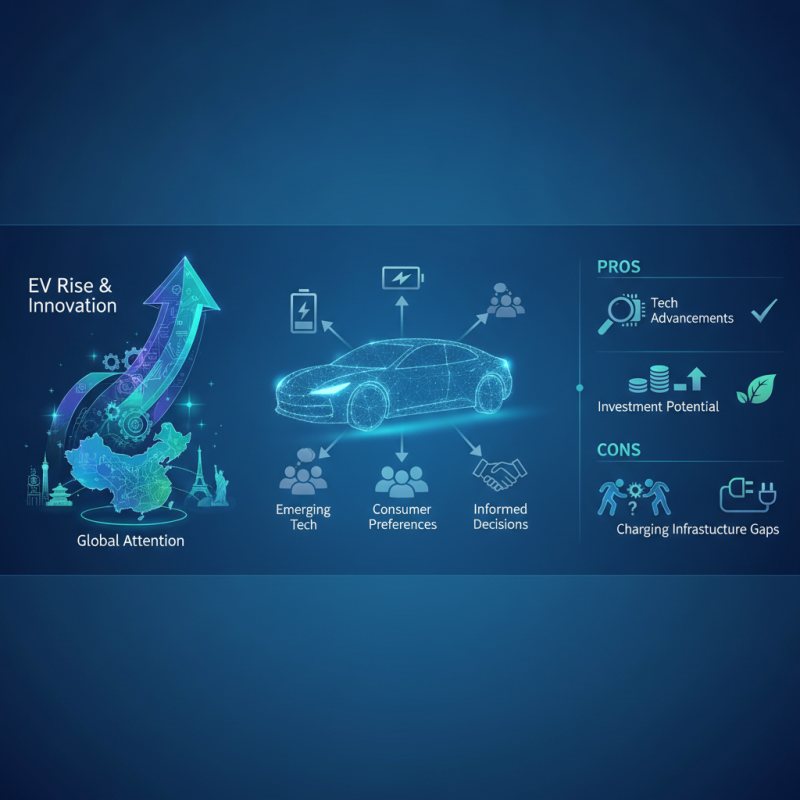
The rise of Electric Vehicles (EVs) in China is capturing global attention. In recent years, China has become a leading force in the EV market. The country is pushing the boundaries of technology and innovation within the electric vehicle sector. This rapid growth offers insights for global buyers looking to invest in EVs.

However, this trend is not without its challenges. The competition among manufacturers is fierce. Quality control issues and inconsistent government policies can impact buyer confidence. Moreover, charging infrastructure still faces gaps in rural areas, creating hurdles for users. It is essential for potential buyers to weigh the benefits and drawbacks carefully.

Learning about the electric vehicle trends in China can be invaluable. Emerging technologies and consumer preferences are shaping the industry's future. Understanding these dynamics can help global buyers make informed decisions. Ultimately, the potential of electric vehicles in China is vast, but navigating the market requires awareness and strategic thinking.
Top Electric Vehicle Trends in China for Global Buyers?

Emergence of New Electric Vehicle Models in China

The electric vehicle (EV) market in China is evolving rapidly. New models are emerging, showcasing innovative designs and cutting-edge technologies. Many of these vehicles offer enhanced performance, greater range, and improved charging efficiencies. Buyers can find options tailored to different needs, from compact city cars to larger SUVs.

Tips: Research the key features of different models. Consider what suits your lifestyle best. Evaluate battery life and safety ratings. Understand the charging infrastructure in your area.

As new players enter the market, competition intensifies. They introduce unique features and attractive pricing strategies. However, navigating this growing landscape can be daunting. Certain emerging models may prioritize style over substance. Potential buyers should take time to compare vehicles thoroughly.

There are also concerns about long-term sustainability. While many manufacturers promote eco-friendliness, not all vehicles meet the highest environmental standards. Buyers should consider the full lifecycle impact of their vehicles, from production to disposal.

Tips: Stay updated on industry news. Attend local EV expos to experience models firsthand. Joining online forums can provide valuable insights from other buyers.

Advancements in Battery Technology and Charging Infrastructure

China is at the forefront of electric vehicle (EV) innovation, particularly in battery technology. The country leads in lithium-ion battery production, accounting for over 70% of the global market. Recent advancements include solid-state batteries. These can potentially double the energy density of traditional batteries, enhancing range and safety. According to a report by the International Energy Agency (IEA), battery costs have dropped by about 89% since 2010, making electric vehicles more accessible.

The charging infrastructure in China is expanding rapidly. As of 2023, China had over 2 million public charging points, significantly contributing to the reduction of charging times. Ultra-fast chargers can now provide a charge sufficient for 250 kilometers in just 15 minutes. This robust network is vital for fostering consumer confidence in electric vehicles. However, challenges remain. The uneven distribution of charging stations in rural areas could hinder widespread adoption.

Tips: Consider investing in a home charger if possible. This can provide convenience and cost savings over time. Stay informed about government incentives for EV purchases, as they can significantly reduce overall costs. Also, monitor advancements in battery technology, as innovations may extend the lifespan of your vehicle. These steps can lead to better choices in the transition to electric mobility.

Top Electric Vehicle Trends in China for Global Buyers

Trend Description Impact on Global Buyers
Battery Technology Advancements Significant improvements in lithium-ion batteries, increasing energy density and reducing charging times. Enhanced driving range and reduced charging times attract more international customers.
Charging Infrastructure Expansion Rapid growth of public and private charging stations across urban and rural areas. Increased availability of charging options helps alleviate range anxiety for foreign buyers.
Government Incentives Subsidies and tax benefits for manufacturers and consumers to promote EV adoption. Lower prices for electric vehicles make them more appealing to global buyers.
Smart Vehicle Integration Integration of AI and IoT technologies in electric vehicles for enhanced user experience. Attractive tech-driven features resonate with tech-savvy international consumers.
Sustainability Initiatives Focus on reducing carbon footprints through sustainable materials and recycling programs. Appeals to environmentally conscious buyers globally.

Government Policies and Incentives Supporting EV Adoption

China's commitment to electric vehicles (EVs) is evident in its robust government policies and incentives. These initiatives are designed to accelerate the adoption of EVs throughout the country. By offering substantial subsidies, local governments significantly reduce the purchase price of EVs. This makes them more accessible to average consumers, sparking higher sales volumes.

Moreover, charging infrastructure development is a key focus. The government invests heavily in expanding charging stations in urban areas and along highways. This alleviates range anxiety for potential EV buyers. However, challenges remain, such as the inconsistency in charging station quality and availability. Many users still struggle to find reliable charging options, impacting overall satisfaction.

In addition, policy support extends to manufacturers. The government encourages innovation through grants and tax benefits, fostering a competitive market. However, this creates pressure on automakers to deliver high-quality, affordable vehicles rapidly. The balance between speed and quality can sometimes falter, leading to recalls and customer dissatisfaction. Overall, while government initiatives greatly support EV adoption, ongoing reflection is necessary to address inherent challenges in this rapidly evolving market.

Consumer Preferences and Trends in the Chinese EV Market

In recent years, the Chinese electric vehicle (EV) market has undergone significant transformations, shaped by consumer preferences. Buyers in China increasingly favor innovative technology and smart features. They often seek vehicles equipped with advanced driver-assistance systems and seamless connectivity. The demand for higher battery efficiency continues to rise, reflecting concerns over range anxiety and charging infrastructure.

Sustainability is another vital trend. Environmental awareness drives consumers towards eco-friendly options. Many customers are now prioritizing brands that promote green practices. However, the rapid pace of change can pose challenges. Some potential buyers may feel overwhelmed by the options available. Maintaining a balance between cutting-edge technology and affordability remains crucial. It’s essential to address the varying levels of knowledge and understanding among consumers about EV technology.

Recommendations from industry experts emphasize the importance of user-centric designs. Features that enhance convenience and ease of use often attract more attention. Yet, there is a gap in education regarding these vehicles. This could hinder broader adoption. As the industry strives for improvement, understanding consumer needs will be key to overcoming these challenges. Remembering the diverse perspectives in this evolving market can lead to more informed choices for buyers worldwide.

Global Implications of China's Electric Vehicle Innovations

China's electric vehicle sector has rapidly transformed, providing significant implications for global markets. These developments are not only reshaping local industries but also influencing global supply chains and trade dynamics. Increased investments in battery technology have led to breakthroughs in efficiency and cost. Such advancements can make electric vehicles more affordable worldwide.

However, this rapid innovation comes with challenges. The need for sustainable sourcing of raw materials raises ethical concerns. As countries adopt these technologies, they may face resource constraints. The pace of change can leave some outdated systems behind, necessitating adaptable policies and infrastructures. For global buyers, understanding these complexities is essential to navigate this evolving landscape.

China’s innovations also emphasize the importance of cooperation. Global partnerships in research and development can drive further progress in electric mobility. Collaborative efforts can bridge gaps in technology and promote best practices. Embracing change is key, but it requires reflection on the social and environmental impacts of accelerated growth in this industry.

Top Electric Vehicle Trends in China for Global Buyers

This chart illustrates the growth index of various electric vehicle trends in China that are significant for global buyers. The trends include advancements in battery technology, development of charging infrastructure, supportive government policies, increasing consumer adoption rates, and sustainability efforts, each rated on a scale of 1 to 10 based on their growth potential.