What is a DC Charging Connector and Why is it Important?
The Dc Charging Connector plays a crucial role in the electric vehicle ecosystem. It serves as the vital link between electric vehicles and charging stations, enabling efficient and rapid power transfer. Understanding its significance can help both manufacturers and consumers make informed choices.
These connectors come in various shapes and sizes, tailored for specific vehicle models and charging needs. Their design reflects advancements in technology, yet some issues persist. Compatibility remains a challenge, as not all connectors fit every vehicle, limiting user convenience. This can lead to frustration and operational delays.
Moreover, as electric vehicle adoption grows, the standardization of DC Charging Connectors becomes paramount. It affects infrastructure development and user experience. A reliable connector ensures safety during charging and enhances the overall performance of electric vehicles. Addressing these challenges is essential for a sustainable future in transportation.
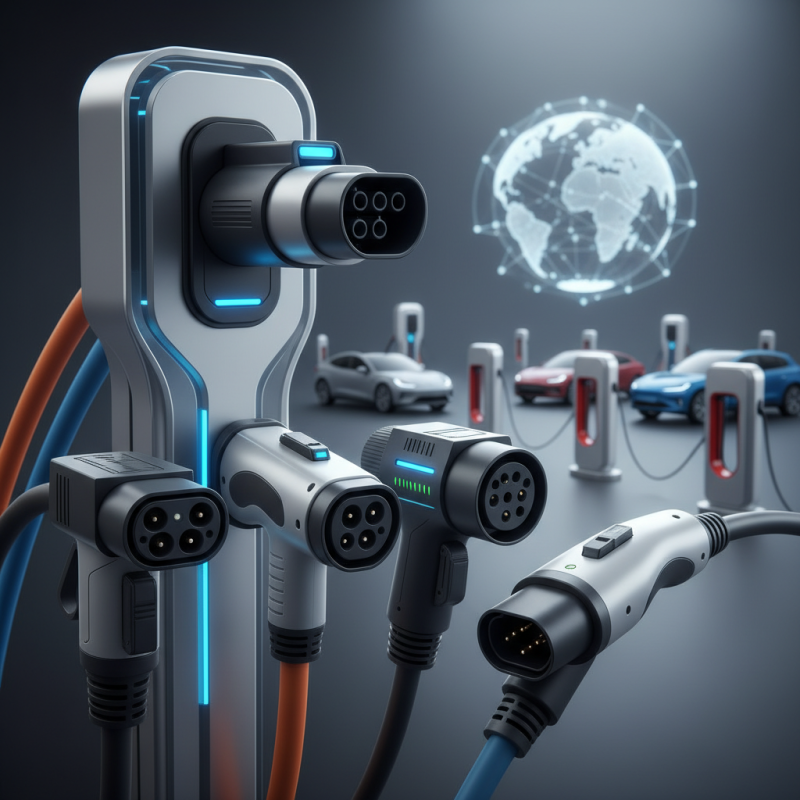
What is a DC Charging Connector?
DC charging connectors play a crucial role in the electric vehicle (EV) charging ecosystem. They allow for fast and efficient charging of EVs, utilizing direct current to deliver power. Unlike standard AC chargers, DC connectors can transfer electricity directly to the battery. This leads to shorter charging times, making long trips feasible with electric vehicles.
These connectors come in various types, each with unique specifications. It's essential for charging stations to standardize their connectors to ensure compatibility with different EV models. However, this is not always the case. Some users find themselves at stations only to discover their vehicle doesn’t fit the connector type. This inconsistency can lead to frustration and delays.
Understanding the importance of DC charging connectors goes beyond just technology. As more EVs hit the roads, a reliable charging infrastructure is essential. It encourages adoption by easing concerns over charging accessibility. Yet, as EV technology evolves, the need for updated standards remains a challenge. The industry must adapt continuously to cater to growing demands and innovations in vehicle design.
Types of DC Charging Connectors Available Today
DC charging connectors play a crucial role in the electric vehicle ecosystem. Various types are available today, each serving specific needs. The most common types include CCS (Combined Charging System), CHAdeMO, and Tesla connectors. Each type has unique characteristics that affect charging speed and compatibility.
CCS is widely adopted in Europe and North America. It combines AC and DC charging into one connector, allowing for faster charging. CHAdeMO, primarily used in Japan, offers high-speed charging for certain electric vehicle models. Tesla connectors are designed for Tesla vehicles but can be adapted for others with an adapter. However, not all EVs support every connector.
Choosing the right connector is vital for efficient charging. Users should consider vehicle compatibility and regional availability. Different connectors can lead to frustration if they don’t match your vehicle. Availability of charging stations with the required connector type can also influence charging experiences. Thinking ahead can save time and ensure a smoother journey.
DC Charging Connectors: Types and Popularity
The Importance of DC Charging Connectors in Electric Vehicle Infrastructure
DC charging connectors play a crucial role in electric vehicle (EV) infrastructure. These connectors enable fast and efficient charging, making EVs more convenient for users. As the demand for electric vehicles grows, the importance of reliable charging solutions cannot be overstated.
A well-designed DC charging connector allows for higher voltage transfer, reducing charging time significantly. This efficiency shapes the user experience of EV owners. Many still face challenges finding compatible charging stations and navigating different connector types. Some charge points may not be accessible for all vehicles, leading to frustrations.
Moreover, the standardization of DC charging connectors is essential for widespread adoption of EVs. Without standardization, drivers face uncertainty about compatibility and availability while traveling. Addressing these issues requires collaboration among manufacturers and policymakers. This effort can foster a more reliable charging network and enhance EV adoption across diverse regions.
Key Features and Technical Specifications of DC Charging Connectors
DC charging connectors are essential for electric vehicles (EVs), enabling fast and efficient charging. These connectors allow vehicles to draw higher power levels, drastically reducing charging times. According to the International Energy Agency, there was a 20% increase in DC fast charging stations from 2021 to 2022, showing their growing importance in the EV ecosystem.
Key features of DC charging connectors include their standardized configurations, compatibility with various EV models, and power ratings. The CCS (Combined Charging System) is the most common worldwide. It can deliver up to 350 kW, significantly cutting charging time. Another important specification is the connector's voltage rating, typically between 400V to 1000V. This range allows faster energy transfer while maintaining safety standards.
Tip: When selecting a charging station, consider the power output and the connector type to ensure compatibility with your vehicle.
While DC charging connectors promote convenience, they also present challenges. Not every EV is compatible with every connector. This can lead to charging confusion and limited accessibility. Continuous innovation is needed to address these issues and enhance user experience.
Tip: Always verify connector compatibility with your EV to avoid charging delays. It's essential to be informed about available options and standards in your region.
Future Trends in DC Charging Connector Technology and Adoption
The evolution of DC charging connector technology reflects the growing demand for electric vehicles. As more consumers embrace sustainability, the need for faster and more efficient charging solutions increases. Innovations in DC charging connectors are key to this transition. These connectors enable rapid charging, essential for long-distance travel. They reduce downtime, making electric vehicles more convenient.
Future trends indicate a shift towards standardized connectors. This change simplifies the charging process for users. It reduces confusion and can speed up infrastructure development. Various sectors are collaborating to create these standards. This collaborative approach could enhance reliability and reduce costs over time.
However, challenges remain. The adaptation of existing charging stations to new technology can be costly. Some users may feel overwhelmed by the rapid advancements. Balancing innovation with user understanding is crucial. As the industry progresses, continuous feedback is necessary to optimize user experience. Ultimately, the future of DC charging connectors holds promise but requires careful navigation.
What is a DC Charging Connector and Why is it Important? - Future Trends in DC Charging Connector Technology and Adoption
| Connector Type | Charging Speed (kW) | Adoption Rate (%) | Future Growth Outlook (%) |
| CHAdeMO | 50 | 20 | 10 |
| CCS (Combined Charging System) | 150 | 40 | 25 |
| Tesla Supercharger | 250 | 30 | 15 |
| GB/T | 92 | 15 | 20 |
| IEC 62196 | 22 | 10 | 5 |
