How to Choose Waterjet Cutting Machinery for Your Project?
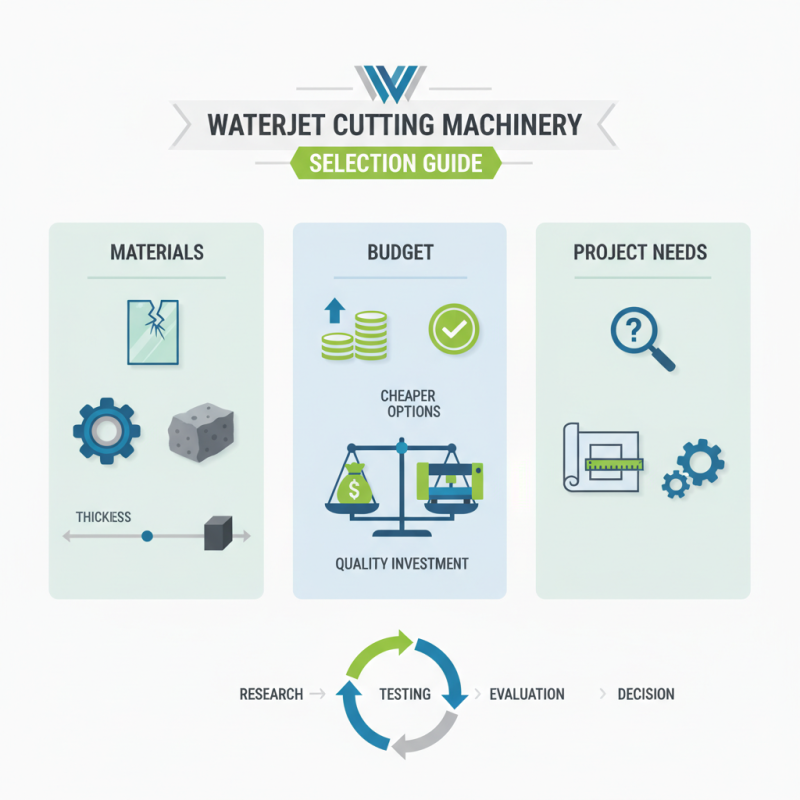
Choosing the right waterjet cutting machinery for your project can be challenging. There are many options available, and each has unique features. It’s crucial to understand your specific needs before making a decision.
Consider the materials you will be cutting. Waterjet cutting can handle various substances like metal, glass, and stone. The thickness of the material is also important. Some machines excel at cutting thin materials, while others work better with thicker ones.
Budget is another key factor. waterjet cutting machinery can vary significantly in price. Investing in a high-quality machine may save costs in the long run. However, it’s tempting to opt for cheaper options without evaluating their performance. Research and testing might lead you to reconsider initial assumptions about affordability and quality.
Understanding the Basics of Waterjet Cutting Technology
Waterjet cutting is a fascinating technology that utilizes high-pressure water to cut through various materials. This method is known for its precision and versatility. Unlike traditional cutting methods, waterjet cutting can easily handle materials like metal, glass, and stone. The process uses a focused stream of water mixed with abrasive particles. This combination allows for intricate designs and clean edges.
Understanding waterjet cutting begins with recognizing its capabilities. Many operators appreciate how it minimizes heat distortion. However, it does have limitations. For instance, thicker materials might require longer cutting times. This can affect project deadlines. Additionally, the initial setup and maintenance of waterjet machinery can be complex. Location and available space are also crucial factors.
While waterjet systems can cut rapidly, they require learning and practice to master. Each material behaves differently under waterjet cutting. Operators might struggle to achieve consistent results without proper experience. Understanding the dynamics of materials is key. Knowledge can prevent costly mistakes. Therefore, potential users should invest time in training to enhance their skills.
Assessing Your Project's Material and Thickness Requirements
When choosing waterjet cutting machinery, understanding your project's material and thickness requirements is crucial. Different materials respond uniquely to cutting techniques. For example, metals, plastics, and ceramics have varying densities and hardness. A machine that handles metals might struggle with softer materials. Every project has distinct needs, so evaluate these factors carefully.
Thickness is another critical consideration. Thicker materials demand more power and precision. A machine may excel at cutting thin sheets but falter with thicker sections. For instance, cutting through steel plates requires specific settings. It can be frustrating if a machine fails to deliver desired results on thicker materials. It's essential to assess whether the machinery can handle your project's maximum thickness effectively.
Sometimes, it’s tempting to underestimate these requirements. Rushing into a purchase might lead to mismatched expectations. Testing small samples can reveal unexpected outcomes. The right choice may involve trial and error, pushing you to refine your approach. Be open to adjusting your plans based on material performance during testing. This awareness can lead to better project outcomes.
How to Choose Waterjet Cutting Machinery for Your Project?
| Material Type | Material Thickness (inches) | Recommended Pressure (psi) | Cutting Speed (in/min) | Equipment Type |
| Mild Steel | 0.25 | 50,000 | 10 | Abrasive Waterjet |
| Stainless Steel | 0.5 | 60,000 | 7 | Abrasive Waterjet |
| Aluminum | 0.75 | 40,000 | 20 | Pure Waterjet |
| Glass | 0.125 | 40,000 | 15 | Pure Waterjet |
| Stone | 1.0 | 60,000 | 5 | Abrasive Waterjet |
Evaluating Different Types of Waterjet Cutting Machines
When considering waterjet cutting machines, evaluate their various types carefully. There are two main types: abrasive and pure waterjet. Abrasive waterjets mix water with garnet or other materials. This allows cutting through hard materials like metal and stone. Pure waterjets are best for softer materials like rubber or foam. Understanding your specific needs is crucial.
Another factor is the operating pressure. Machines typically run between 30,000 to 90,000 PSI. Higher pressure means faster cutting speeds but may also result in more wear and tear. This can lead to increased maintenance costs. Think about your projects and the materials you will cut. Will you need precision in intricate designs? Or is speed more essential for your workflow?
Consider the machine's size and footprint too. Larger machines offer more workspace but occupy more shop floor space. Smaller machines fit compact areas but limit the larger pieces you can handle. Balancing these factors with your budget can be tricky. Many options exist, but not all fit every project. Thus, it's essential to reflect on what best serves your unique cutting needs.
Considerations for Budget and Cost-effectiveness
Choosing the right waterjet cutting machinery involves careful financial planning. Start with your project's budget. Estimate not just the initial costs, but ongoing maintenance too. Waterjet cutting machines can vary significantly in price. Some models cost less upfront but may require more expensive parts over time. It’s essential to do the math.
Consider the materials you plan to cut. If your project involves tough materials like titanium, a more robust machine may be necessary. This could increase costs but might save you money in the long run. Look into energy consumption as well. Some machines use more power, impacting your operating costs significantly.
Don't overlook the importance of training staff. Investing in user-friendly machinery can reduce training time and costs. It’s a tricky balance to find a reliable machine that fits your budget. Sometimes, the cheapest option can lead to unexpected issues. These can hinder production and increase overall expenses. Be realistic about your needs and reflect on long-term benefits versus short-term savings.
Maintenance and Support Options for Waterjet Systems
When choosing waterjet cutting machinery, consider maintenance and support options closely. Regular maintenance is essential for optimal performance. It ensures longevity and efficiency. Scheduling preventive checks can avoid costly downtime.
Tips: Keep a maintenance log. Record every service. This helps track performance and anticipate issues.
Support options vary significantly. Some suppliers offer extensive training and troubleshooting resources. Others may lack adequate assistance. It's crucial to ask potential suppliers about available support services.
Tips: Test the support response time. Send inquiries before purchasing. Gauge how quickly they reply. Good communication is key in moments of need.
Be prepared for possible technical challenges. Any system can have hiccups. Understand that skilled technicians may not always be nearby. Research online platforms or community forums for help. They can be valuable resources for troubleshooting common issues.