How to Choose the Right Solar Energy System for Your Home?
Choosing the right solar energy system for your home can be a daunting task. With an increasing push for renewable energy, many homeowners are considering this option. According to the U.S. Energy Information Administration (EIA), solar energy accounted for about 3% of total electricity generation in 2022, showing a growing trend. This statistic highlights the importance of making informed choices regarding solar energy systems.
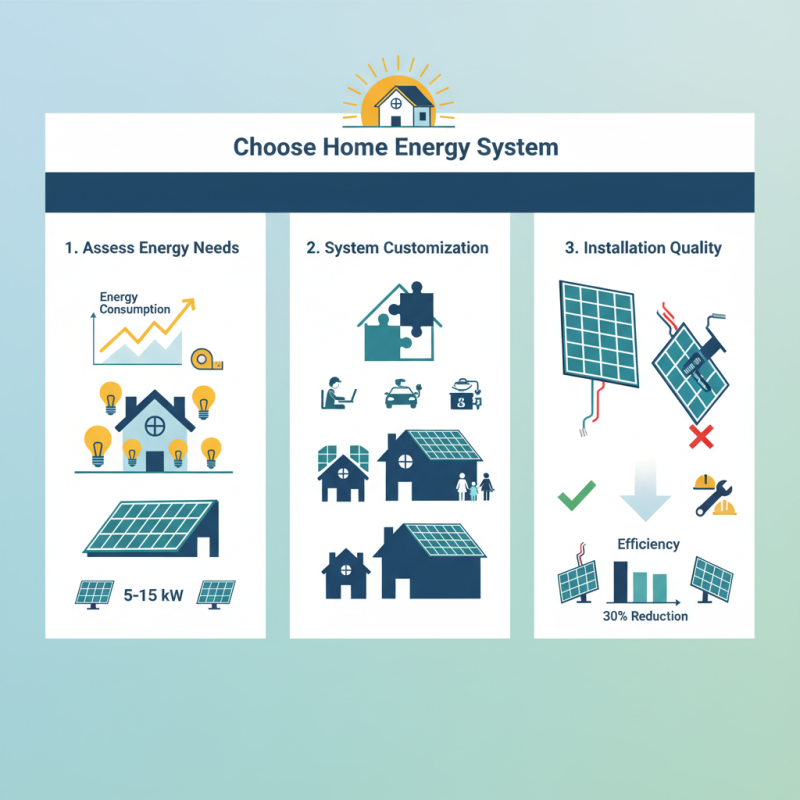
Before investing, you need to assess your energy needs. Different homes have varied energy consumption patterns. The National Renewable Energy Laboratory (NREL) states that a typical home needs between 5-15 kW of solar power for efficient energy supply. This variability in needs means a one-size-fits-all approach is unsuitable. It's essential to tailor your solar energy system to fit your specific lifestyle and requirements.
In addition, potential buyers often overlook the importance of installation quality. An inadequately installed solar energy system can lead to suboptimal performance. Research shows that improper installation can decrease efficiency by up to 30%. Ensuring your choice encompasses reliable installation is vital. In this evolving landscape, continuous analysis and reflection on choices will lead to more sustainable energy solutions for your home.
Understanding Your Home's Energy Needs
When considering a solar energy system for your home, understanding your energy needs is crucial. The average American household consumes about 877 kWh per month, according to the U.S. Energy Information Administration. This figure can vary significantly based on factors such as location, family size, and energy usage habits.
One way to assess your energy needs is by reviewing past utility bills. Look for seasonal patterns and peak usage times. This can help you determine how much sunlight your system needs to generate. For example, during cooler months, your energy consumption may increase due to heating requirements.
Tips: To optimize solar investment, consider conducting an energy audit. This helps identify areas of energy loss, enabling you to better size your solar system. Also, invest in energy-efficient appliances. They consume less power and may reduce the amount of solar capacity you need.
Installation expenses can vary. Many homeowners find financing options can mitigate these costs. However, not every option fits every household. It’s important to evaluate your financial situation and incentives available in your area. Selecting the right system isn’t just about capacity; it's also about aligning with your usage and budget needs.
Types of Solar Energy Systems Available
When choosing a solar energy system, understanding the types available is crucial. There are three main categories to consider. Grid-tied systems are the most common. They connect directly to the utility grid, allowing for seamless energy distribution. This setup can significantly reduce electricity bills. However, it relies on grid availability, posing a risk during outages.
Off-grid systems offer independence from the grid. They utilize batteries to store solar energy for later use. This option can be great for remote areas. Yet, the initial cost is often higher. Maintenance can also be a challenge, as battery systems require regular monitoring. Homeowners should assess their energy needs carefully.
Hybrid systems combine both grid-tied and off-grid features. They offer flexibility, but complexity increases. Selecting the right system depends on personal energy consumption and lifestyle. This decision can be overwhelming. Investing time in research and feedback from other users can be beneficial. Each system comes with unique pros and cons, making reflection essential.
Types of Solar Energy Systems Available
Evaluating the Solar System Components
When evaluating solar energy systems, understanding the components is crucial. Specifically, assess
photovoltaic panels, inverters, and batteries. According to the Solar Energy
Industries Association (SEIA), solar panels convert sunlight into electricity. The efficiency of these panels
typically ranges from 15% to 22%.
Higher efficiency panels produce more energy, particularly in limited spaces.
Choosing the right inverter also impacts your system's performance. Inverters convert the direct
current generated by panels into alternating current, which powers your home. The conversion efficiency can be as
high as 98%. However, not all inverters are created equal. Some systems may
require microinverters for optimal performance, especially in shaded areas.
Tips: Always check warranties. A good warranty ensures you’re covered for defects. Analyze your
energy needs before purchasing a battery. Energy storage can be crucial for
saving power generated during the day. Be ready to reflect on whether your choices meet your long-term needs.
Investing in solar is a commitment; consider future expansions or changes in energy consumption.
Assessing Installation and Maintenance Requirements
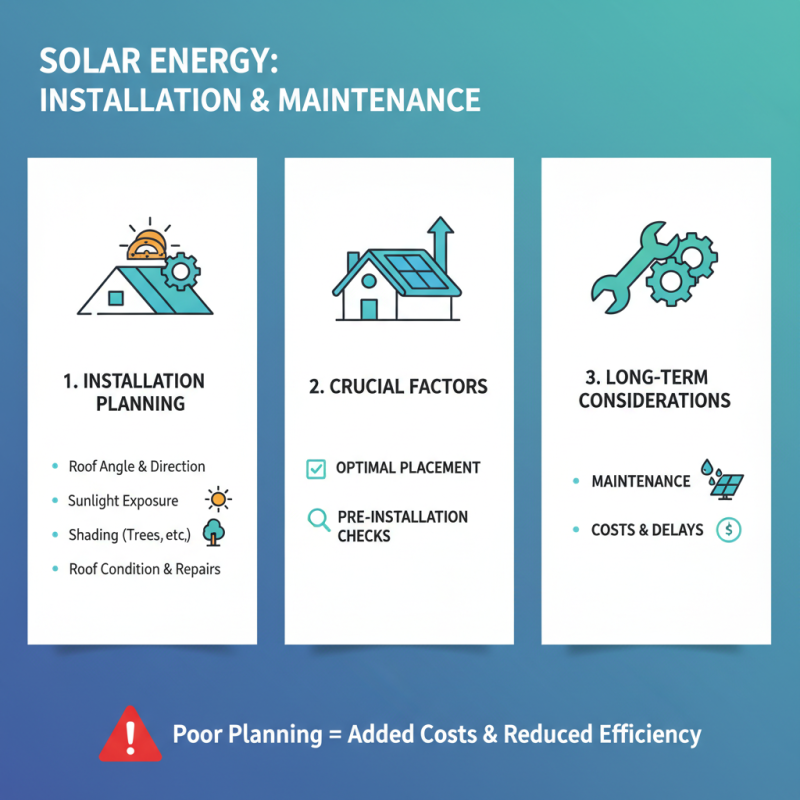
When deciding on a solar energy system, installation and maintenance are crucial factors. Installing solar panels isn't just about placement; it involves evaluating roof angles, sunlight exposure, and shading from nearby trees. These details matter. If your roof isn't suited for solar, you could face significant challenges. Some homeowners discover their roofs need repairs first. This adds unexpected costs and delays.
Maintenance is another key consideration. Solar systems do not require excessive upkeep, but some tasks are essential. Regular cleaning of panels can maximize efficiency. Dust and debris can block sunlight. This will reduce energy production. Sometimes, homeowners forget to check for potential shading caused by growing vegetation. Such oversights can lead to underwhelming results.
It's also wise to consider local service options. If something goes wrong, you’ll need quick access to help. Look for local technicians who understand your climate and system type. Some regions may not have adequate support, making troubleshooting difficult. These factors can't be ignored. They require reflection and careful planning to ensure a smooth solar experience.
Financial Considerations and Incentives for Solar Energy
When considering a solar energy system, financial aspects are crucial. Initial costs can be high, leading many to hesitate. The installation of solar panels often involves significant investment. However, many homeowners find that tax incentives drastically reduce these expenses.
Local and federal incentives can make solar more affordable. Many areas offer rebates for installation, which can lower your upfront costs. Some regions even provide tax credits, encouraging more people to go solar. It's essential to thoroughly research these options before making a decision. Not every incentive is available everywhere, creating potential disparities in savings.
Financing options also vary widely. Some might choose to pay cash upfront, while others prefer loans or leases. Each method has its pros and cons. A lease may seem easy but could leave you with fewer benefits over time. Carefully evaluate what works for your financial situation. Remember to keep an eye on your budget. Solar can be a great investment, but it requires thoughtful planning.