How to Choose the Right AGV at the 139th Canton Fair?
As the 139th Canton Fair approaches, choosing the right Picking Agv (Automated Guided Vehicle) is crucial for exhibitors and buyers alike. With specialized sectors centering on advanced manufacturing and smart home products, selecting the appropriate AGV can enhance efficiency in navigating vast exhibition spaces. The fair spans 1.55 million square meters, making the role of technology even more significant.
AI-driven features now streamline the selection process. Buyers can filter vendors based on certifications like ISO and CE. However, even with advanced tools, one must be mindful of the specific needs that an AGV must fulfill. Not every AGV will meet the diverse demands of various industries.
Understanding the layout of the fair is as important as the technology itself. Poor planning or misjudgment in choices may lead to inefficiencies. Evaluating different models and their functionalities will require effort. Yet, investing the time to do so will significantly pay off during the event.
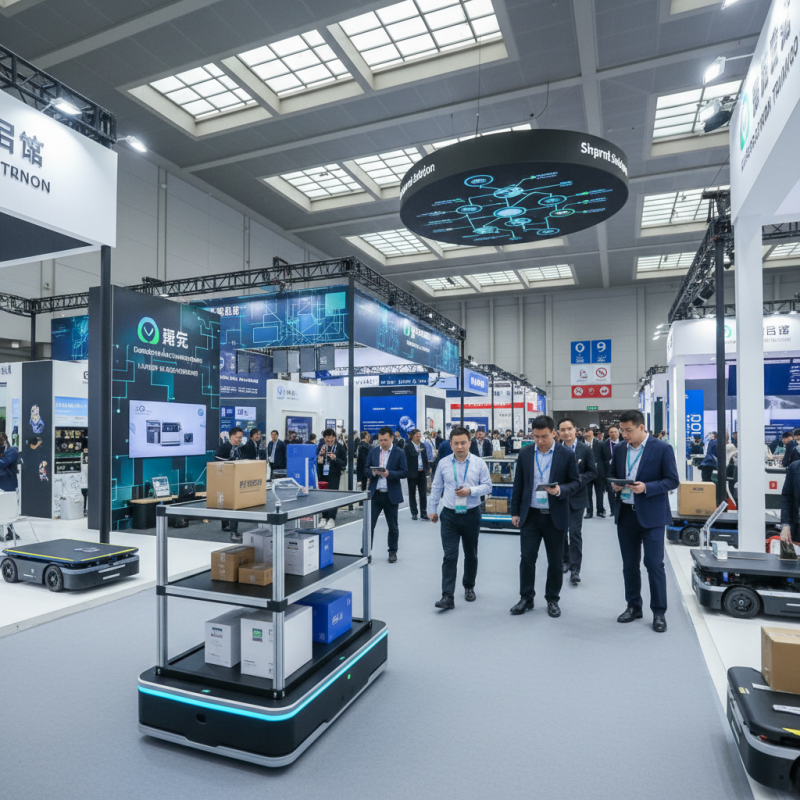
Understanding Different Types of AGVs Available at the Fair
At the 139th Canton Fair, the variety of Automated Guided Vehicles (AGVs) can be overwhelming. Understanding the different types available will make your selection process smoother. AGVs vary significantly in design and function. Some are designed for transporting heavy goods, while others are tailored for smaller items in tight spaces. These features impact your decision.
Tips for choosing the right AGV include analyzing your space. Consider the layout and accessibility of your warehouse. If your space is compact, you might prefer narrower models. For larger areas, opt for heavy-duty AGVs that can carry more weight.
Also, think about the technology involved. Some AGVs use laser navigation while others rely on magnetic strips. Both have their pros and cons. Laser models may offer more flexibility but can be more complex to implement. Regarding safety, always check that the AGVs comply with industry standards.
Testing prototypes can provide insights. A demo helps assess functionality and ease of use. Take note of how each AGV interacts in real-time situations. Reflect on your specific needs and challenges. Each AGV has unique features; some may not fit your requirements perfectly. In that case, don't hesitate to choose another model.
Key Factors to Consider When Choosing an AGV
Choosing the right Automated Guided Vehicle (AGV) can significantly impact operational efficiency. The 139th Canton Fair is an excellent venue to explore various options. Understanding key factors is essential for making the best choice.
First, consider load capacity. Many AGVs can handle varying weights, typically ranging from 500 kg to 2,500 kg. If an AGV cannot handle your products, it may lead to breakdowns or inefficient operations.
Next, evaluate navigation technology. Some AGVs rely on magnetic strips, while others use advanced laser or vision systems. Each has pros and cons. For example, laser systems are more flexible but can be cost-prohibitive.
Another crucial factor is battery life. AGVs usually operate for 8 to 12 hours, but longer shifts may require larger battery capacities. Research shows that 70% of AGV users report reducing operational costs by at least 20% post-implementation. However, if maintenance is neglected, this data might not reflect your experience.
Lastly, consider the level of automation desired. Some businesses might start with semi-automated units, gradually moving to fully automated systems. Thoughtful reflection on these aspects will ease selection at the fair.
Evaluating AGV Specifications and Features
Choosing the right Automated Guided Vehicle (AGV) at the 139th Canton Fair requires careful assessment of specifications and features. Begin by examining the payload capacity. Some AGVs can transport heavy loads, while others are better suited for lighter items. Consider what you need to move. Is it bulky boxes or smaller components? The decision matters.
Next, look at navigation systems. AGVs may utilize laser, magnetic, or vision-based guidance. Each system has advantages and drawbacks. For instance, laser-guided AGVs can adapt to changes in the environment but might cost more. Think about the layout of your facility. A flexible navigation system could be crucial for complex setups.
Battery life also plays a vital role. A longer battery life reduces downtime. However, some models may take longer to charge. Evaluate how often you can afford to stop operations. Lastly, ease of integration with existing systems is essential. Ensure the chosen AGV can communicate with your current software. These details can significantly affect workflow efficiency.
Assessing Manufacturer Reputation and After-Sales Support
When attending the 139th Canton Fair, selecting the right AGV (Automated Guided Vehicle) can be daunting. One critical aspect is assessing the manufacturer's reputation. Reliable manufacturers often have a track record of quality and excellent service.
Check reviews from past customers. Look for feedback on reliability and performance. A well-established manufacturer typically offers robust solutions. However, don’t just take their word at face value. Engage with past clients if possible.
After-sales support is equally vital. An AGV is a long-term investment, and support can make all the difference. Confirm that the manufacturer provides comprehensive training and maintenance services. Prompt assistance during issues is essential for smooth operations.
**Tips:** Research the manufacturer's history. Compare it with competitors. Understand the support they provide after purchase. A good warranty can also indicate confidence in their products. Don't overlook their response time to inquiries.
How to Choose the Right AGV at the 139th Canton Fair? - Assessing Manufacturer Reputation and After-Sales Support
| Manufacturer | Reputation Score | After-Sales Support Rating | Response Time (Hours) | Warranty Period (Years) |
| Manufacturer A | 4.5 | 4.7 | 24 | 3 |
| Manufacturer B | 4.0 | 4.0 | 12 | 2 |
| Manufacturer C | 4.8 | 4.9 | 8 | 5 |
| Manufacturer D | 3.5 | 3.8 | 36 | 2 |
Best Practices for Testing AGVs Before Purchase
When preparing to test AGVs at the 139th Canton Fair, it’s vital to adopt effective testing practices. Industry reports indicate that poorly chosen AGVs can lead to a 30% increase in operational inefficiencies. Testing different models helps to pinpoint strengths and weaknesses. Assess their navigation capabilities, load handling, and battery life during trials. Such hands-on experience allows potential buyers to evaluate performance directly.
Consider the environment where the AGV will operate. Testing in similar conditions yields more reliable insights. For instance, if the AGV will maneuver in tight spaces, ensure to simulate that during the evaluation. Watch for any unanticipated issues. Do the AGVs frequently get stuck? Are they capable of moving quickly while maintaining stability? Data shows that 25% of AGVs underperform in environments not subjected to real-world testing.
It's also crucial to involve end-users in the testing process. Their feedback can uncover practical concerns that may not be evident during standard evaluations. Discussing with operators often reveals hidden challenges. Are the controls intuitive? Is the maintenance easy? Such details significantly impact overall satisfaction. Taking these factors into account can lead to a more informed purchase decision.
