How to Choose the Best Solar Energy Solutions for Home?
Choosing the right solar energy solutions for your home can feel daunting. Many options exist, and the choice is not always clear. Homeowners often face challenges in understanding solar technologies. A misstep could lead to regret and increased costs.
Solar energy solutions come in various forms. They include solar panels, solar water heaters, and even solar-powered appliances. Each type has its benefits and drawbacks. For instance, solar panels are popular for electricity generation but require significant initial investment. Other solutions may offer quicker installation or lower costs but may not fit seamlessly into your lifestyle.
It's essential to assess your home’s energy needs. Inadequate research can lead to purchasing unsuitable systems. Many homeowners later wish they had made different choices. Exploring your options thoroughly is crucial. Evaluate the efficiency, durability, and style of each solution. This reflection will guide you in selecting the best solar energy solutions for your home.
Understanding the Basics of Solar Energy for Home Use
Understanding solar energy is crucial for homeowners. Solar panels convert sunlight into electricity. They are a viable solution for reducing energy costs. According to the U.S. Department of Energy, residential solar installations increased by 20% in the last year. This shows growing interest in renewable energy.
When considering solar energy, assess your location. Sunlight exposure greatly affects efficiency. A home in sunny California will benefit more than one in a cloudy region. Also, consider the size of your roof. Larger spaces can accommodate more panels and generate more power. Look into local incentives and rebates. These can significantly lower installation costs.
However, challenges exist. Initial investment may be high for some families. Payback periods can vary widely. Research indicates that the average return on investment (ROI) is about 6-8 years. This period can feel uncertain, especially with changing energy markets. Not everyone will find solar energy a perfect fit. Each situation differs based on energy needs and financial circumstances. Make sure to evaluate your unique situation carefully.
Assessing Your Home's Energy Needs and Usage Patterns
Assessing your home's energy needs is essential for choosing the best solar solutions. Start by analyzing your monthly energy consumption. The U.S. Energy Information Administration reports that the average home uses about 877 kWh per month. However, this varies widely among households. Understanding your unique usage helps you determine the appropriate solar system size.
Next, consider your energy patterns. Do you use more power during the day or night? Homes that consume more energy during daylight hours can benefit more from solar power. Analyzing your energy bills across different seasons can reveal usage spikes. For instance, summer might show increases due to air conditioning.
Moreover, think about your home’s efficiency. Older homes often lose energy through poor insulation. It might be wise to make upgrades before installing solar panels. According to a study by Lawrence Berkeley National Laboratory, energy efficiency improvements can enhance your solar investment. By optimizing your home's energy usage, you ensure that the solar solution you choose meets your long-term needs effectively.
Energy Usage Patterns for Solar Solutions
Exploring Different Types of Solar Energy Systems Available
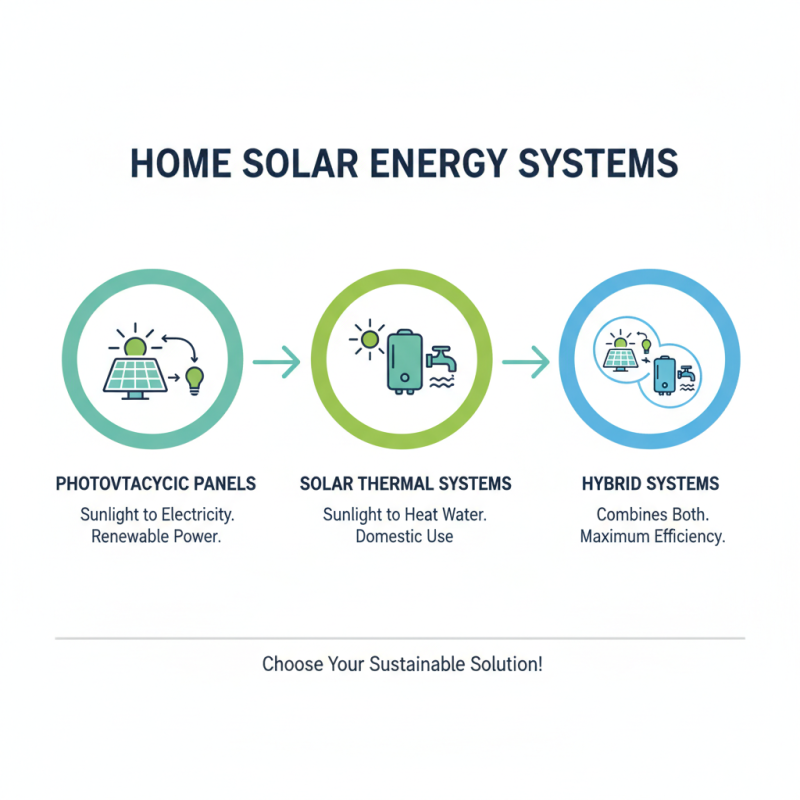
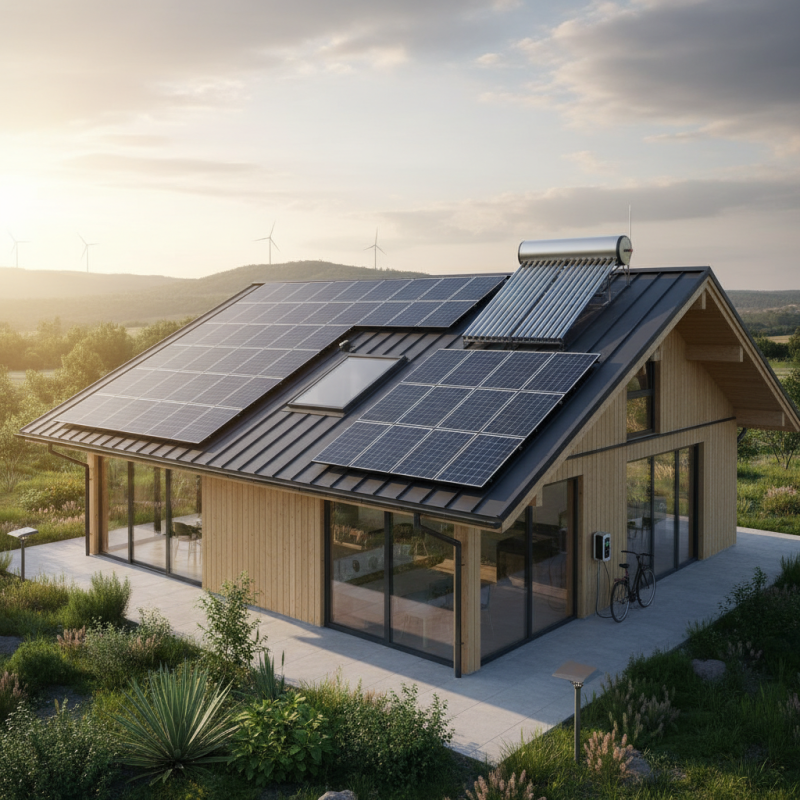
When exploring solar energy systems for your home, it’s essential to understand the various types available. You can choose from photovoltaic panels, solar thermal systems, and hybrid systems. Photovoltaic panels convert sunlight into electricity, providing a renewable energy source. On the other hand, solar thermal systems use sunlight to heat water for domestic use. Hybrid systems combine both technologies, maximizing efficiency.
Tips: Consider your energy needs. If your focus is on reducing electricity bills, photovoltaic panels may be best. For heating purposes, solar thermal systems shine. Assess your roof space, location, and budget carefully. Not all systems will fit every home.
Don’t forget about battery storage. Adding battery units can enhance your system’s effectiveness. They store excess energy for later use, making your home more self-sufficient. Reflect on your lifestyle. A big family may require more energy during peak times. Think about your daily habits and energy consumption when making your choice.
Evaluating Cost and Financial Incentives for Solar Solutions
When evaluating solar energy solutions for your home, understanding costs and financial incentives is crucial. Solar panel installation can range from $15,000 to $25,000, depending on system size and location. Reports indicate that homeowners can expect to save around $1,200 annually on energy bills. However, these savings typically take years to materialize, raising questions about immediate affordability.
Financial incentives can significantly offset initial costs. Federal tax credits offer up to 26% off the installation price for systems placed in service by the end of 2023. Many states have additional rebates, which can further reduce expenses. Some areas provide property tax exemptions for solar energy systems, meaning no increase in taxable value. Such incentives may vary widely, leaving homeowners to navigate a complex landscape.
Despite these benefits, not every home is suitable for solar panels. Factors like roof orientation, shading, and local electricity rates impact efficiency and cost-effectiveness. Research shows that in less sunny regions, the economic justification for solar can diminish. This reality prompts homeowners to carefully assess both personal finance and property attributes before committing.
Choosing a Reliable Installer and Understanding Maintenance Needs
Choosing a solar energy solution for your home can be a complex process. A reliable installer is essential. Start by researching local companies. Check their reviews and ratings. Look for qualifications and certifications. A good installer will not only sell you panels but also educate you about your options.
Understanding maintenance needs is just as important. Solar systems require regular checks. Dust and debris can hinder performance. Some homeowners forget minor upkeep. This leads to reduced efficiency, which can be frustrating. Ask the installer about maintenance plans. Knowing how to keep your system in top shape will save you money long-term.
Consider warranty services carefully. Some installers offer long-term warranties. Others might not be as reliable. Don't rush decisions. Take time to reflect on your choices. It’s easy to rush in, but thoughtful planning pays off. Choosing the right installer and understanding maintenance will lead to a more effective energy system.
How to Choose the Best Solar Energy Solutions for Home?
| Criteria |
Details |
| Types of Solar Solutions |
Photovoltaic (PV) Systems, Solar Water Heaters, Solar Pool Heating |
| Key Considerations |
Energy Needs, Available Space, System Costs, Incentives |
| Selecting an Installer |
Check Credentials, Experience, Customer Reviews |
| Maintenance Needs |
Regular Inspections, Cleaning Panels, Monitoring System Performance |
| Cost Factors |
Initial Investment, Rebates, Long-term Savings |